


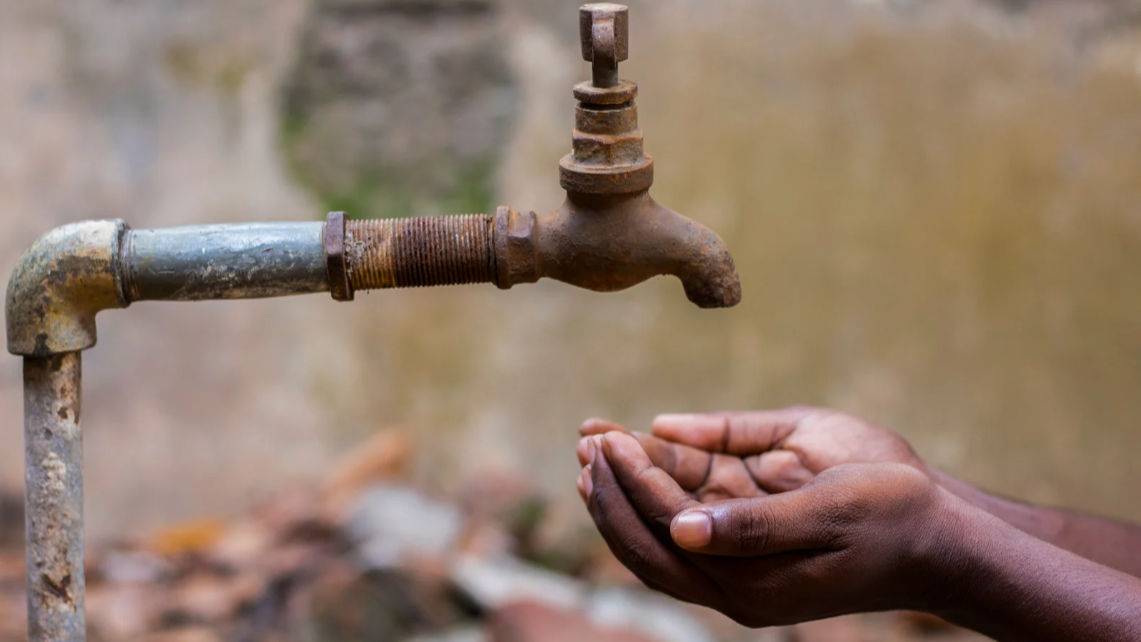
Kochi’s already fragile urban water network is expected to face intensified stress this week as a scheduled shutdown at a major treatment facility in Aluva disrupts supply across several municipal zones and peripheral neighbourhoods. The interruption, linked to annual maintenance operations by the state water utility, is likely to disproportionately affect residents living in tail-end distribution areas where restoration typically takes longer due to network pressure limitations and ageing pipeline systems. While authorities indicated that treatment operations would resume by Wednesday evening following maintenance work, engineers familiar with the network said supply normalisation in many low-pressure zones could take several days. Areas located farther from trunk pipelines are expected to experience the longest delays, exposing structural weaknesses in Kochi’s expanding urban water infrastructure.
The disruption impacts a large urban cluster including Kochi city, Aluva, Kalamassery, Thrikkakara and adjoining suburban local bodies. The scale of the shutdown has once again drawn attention to the region’s dependence on a centralised water distribution system that struggles during peak summer demand and maintenance cycles. Officials overseeing the operation said the annual servicing is essential ahead of the southwest monsoon, particularly for electrical and pumping components vulnerable to moisture-related failures. Infrastructure experts note that deferred preventive maintenance often leads to larger system breakdowns during extreme weather events, increasing operational costs and service interruptions in climate-sensitive coastal cities such as Kochi.
However, residents in several northern city wards have reported prolonged shortages even before the scheduled shutdown. Local representatives from densely populated neighbourhoods said households in interior roads and narrow residential lanes have been relying on tanker deliveries for potable water over recent days. In many cases, residents are required to collect water manually from common distribution points because trucks cannot access congested by-lanes. Urban planners say such recurring shortages reflect broader challenges in Indian cities where rapid real estate expansion has outpaced upgrades in underground utility networks. Kochi’s growing urban footprint, combined with high summer temperatures and uneven water pressure management, has increased pressure on already strained civic infrastructure.
The ongoing pipeline works under centrally funded urban renewal projects have also contributed to service instability in some locations. Civic officials acknowledged that underground construction activity has triggered leakage concerns in parts of the network, reducing efficiency and increasing non-revenue water losses. The latest disruption comes at a time when Indian cities are under increasing pressure to modernise water systems through decentralised storage, smart leak detection and climate-resilient infrastructure planning. Experts argue that future investments must prioritise equitable water access, especially for densely populated residential pockets that routinely face delayed restoration during maintenance shutdowns. With pre-monsoon infrastructure works accelerating across Kerala, the coming weeks are likely to test the resilience of Kochi’s urban utility systems and the city’s preparedness for increasingly unpredictable climate and consumption patterns.
Also Read: Kochi Model Road Plan Gains Momentum
Kochi Water Scarcity Raises Infrastructure Concerns

