


A scientific study based on cobweb samples collected from different parts of Kochi has reported elevated levels of iron and polypropylene among airborne pollutants, according to a report by Kerala Kaumudi.
The study began about a year ago and covered traffic junctions as well as areas near the city. The research was conducted under Dr M.G. Mathew, identified in the report as head of the spider research department at Bharata Mata College.
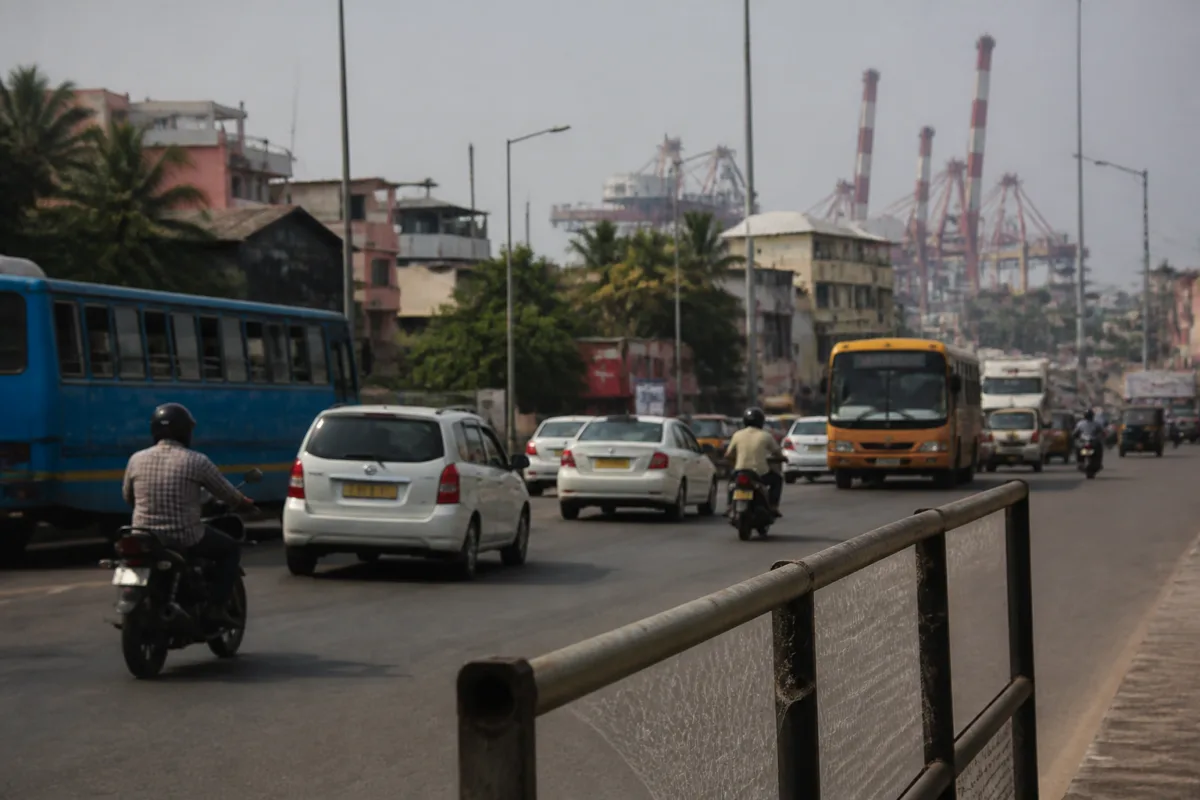
The report attributes a significant share of Kochi’s air pollution to vehicle emissions and residue. It also says that the district’s industrial activity may be contributing ultrafine metallic pollutants and components of microplastics to the atmosphere.
Cobwebs can collect particulate matter over time, and the researchers used them to examine pollutants present in the surrounding air, the report says. However, the source does not provide the number of samples, the locations in detail, laboratory measurements, testing protocol or a comparison with regulatory benchmarks.
The report places Kochi’s current air quality index between 130 and 140 and says this level is harmful to sensitive groups, including children, older people and those with respiratory illness. AQI readings can vary by monitoring station, pollutant and time, and the report does not identify the station or period for the cited range.
The researchers warned that continued inhalation of particles containing iron and polypropylene could contribute to respiratory problems, persistent asthma and severe allergies. Those health concerns are presented as expert warnings in the report; the source does not establish a direct medical link between the reported cobweb findings and specific illnesses in Kochi.
The findings highlight the need for closer monitoring of traffic corridors, industrial areas and neighbourhoods affected by rapid urbanisation, particularly if the reported pollution levels are sustained. The report calls for stricter preventive measures but does not specify an enforcement plan, responsible agency or timeline.
Further documentation of the study, including its sampling design, pollutant concentrations and peer-reviewed or institutional findings, would be needed to assess the scale of iron and microplastic pollution across Kochi. Until then, the results are best understood as an indication for more systematic urban air-quality investigation rather than a complete assessment of the city’s pollution burden.

