


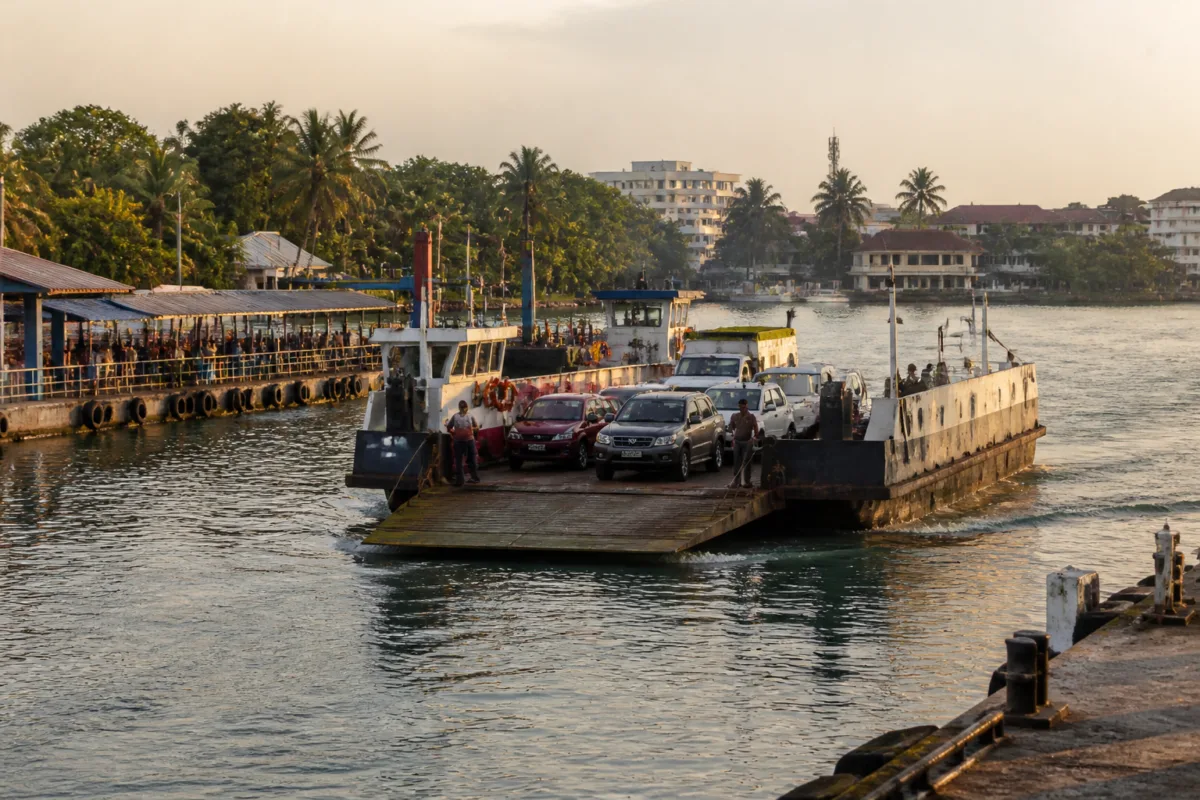
The Kochi corporation council has postponed approval for Kochi Waterways Pvt Ltd, the special purpose vehicle proposed to operate and maintain the city’s Ro-Ro vessels, after councillors raised concerns about its board composition and shareholding pattern.
The memorandum of understanding and articles of association for the SPV were provided to councillors only along with the agenda for the council meeting, according to the Times of India. The delay followed a demand from the Left Democratic Front for more time to examine the documents and their finer details.
Mayor V K Minimol allowed councillors one week to submit their concerns and suggestions. LDF parliamentary party leader V A Sreejith said the matter should return to the council before it is sent to the state government for approval.
The debate has focused on who should oversee a company intended to manage assets owned by the corporation. BJP councillor Priya Prasanth argued that the mayor, the opposition leader and other elected representatives should be included on the SPV’s board because the Ro-Ro vessels are corporation assets. She also objected to the proposed inclusion of the Kochi and Vypeen MLAs on the board.
Prasanth further argued that the corporation should retain a 51% shareholding. She said any future sale of shares should not allow a single private entity to acquire the remaining stake and obtain undue control, potentially leading to privatisation.
The immediate outcome is that the SPV’s approval remains pending. The council is expected to review the concerns submitted during the one-week period before deciding whether to forward the proposal to the state government. Until that process is completed, the proposed institutional framework for operating and maintaining the Ro-Ro vessels remains under discussion.
The proceedings place ownership, public representation and control safeguards at the centre of the city’s water-transport governance. The council’s next decision will determine whether those concerns are addressed in the SPV documents before the proposal moves to the state-level approval stage.

