A Rs 11,000 crore infrastructure package has been unveiled for Kerala, blending fossil fuel expansion with floating solar and railway upgrades — a split-screen approach that captures the tension between industrial growth and climate resilience. The projects, launched in Ernakulam district, include a new polypropylene unit at the Kochi Refinery, a 50-megawatt floating solar facility in West Kallada, rail modernisation works, and road connectivity improvements.
The refinery expansion is expected to produce 400,000 tonnes of polypropylene annually, feeding packaging, textiles, automotive, and medical device sectors. A senior official described it as essential for domestic manufacturing goals. But urban climate observers note that increasing petrochemical output, even alongside renewable energy projects, locks in long-term emissions trajectories at a moment when global supply chains are beginning to price carbon. The floating solar project at West Kallada tells a more complex story. Kerala’s abundant water bodies make it a natural candidate for such installations, which avoid land acquisition conflicts and reduce evaporation. Yet the state’s solar potential has remained largely untapped due to policy uncertainty and grid integration challenges. The 50-megawatt plant is modest — comparable to a small gas peaker plant — but its symbolic value lies in acknowledging that renewable energy cannot be an afterthought.
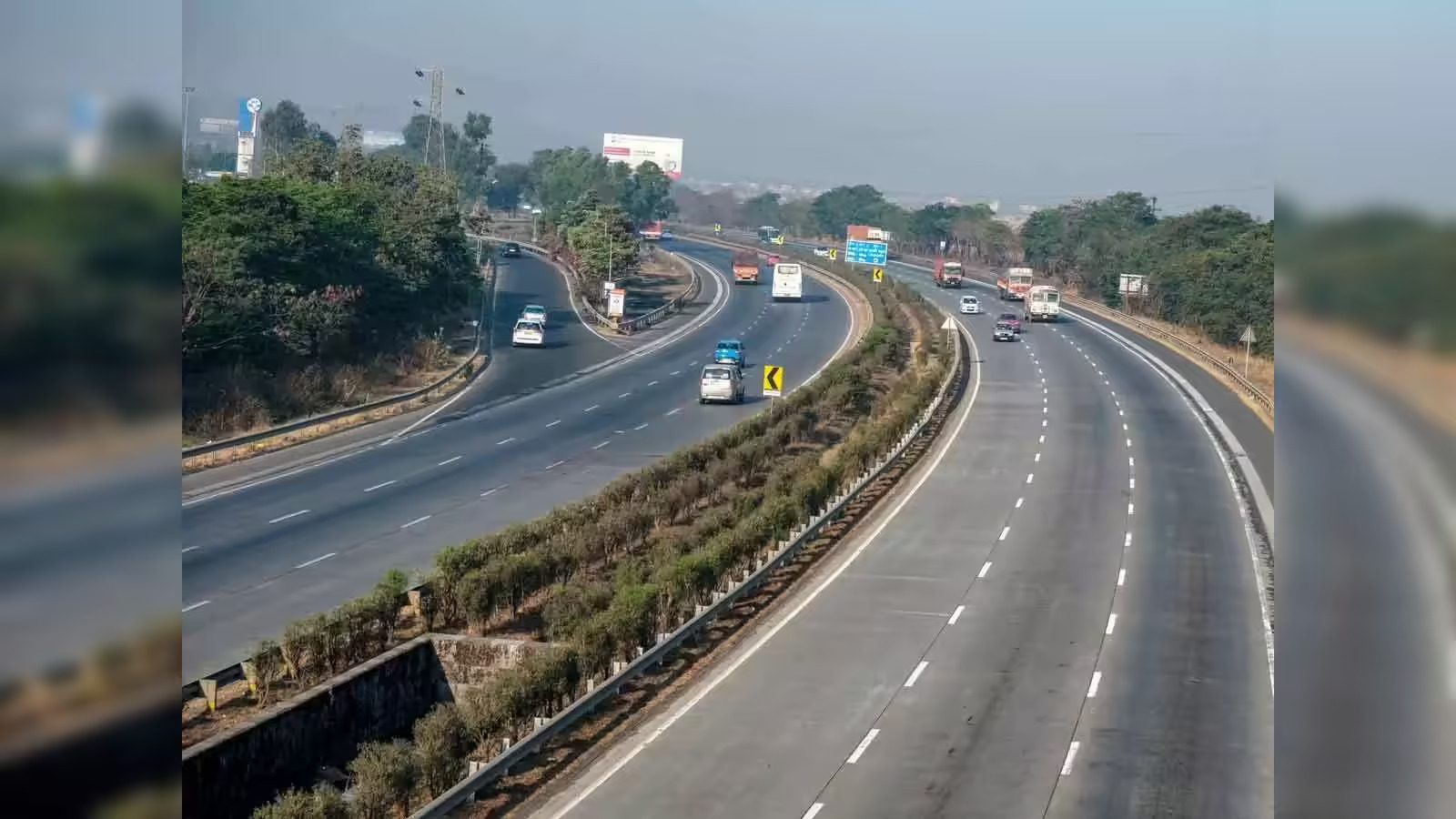
Railway infrastructure received attention as well. Three stations — Shoranur Junction, Kuttippuram, and Changanassery — are slated for modernisation under a central scheme. Electrification of a key section of the Shoranur-Nilambur line has been completed. A new Palakkad-Pollachi train service now connects Kerala with Tamil Nadu. For daily commuters, these upgrades translate to reduced travel times and improved safety. For the broader economy, they lower logistics costs. Road projects include improved access to Azhikkal Port and the six-lane Kozhikode Bypass, both aimed at decongesting urban corridors. But road expansion alone rarely reduces traffic; induced demand often fills new lanes within years. Urban planners point out that Kerala’s narrow right-of-way and high population density make transit-oriented solutions more sustainable than highway widening.
The central government has framed this as a jobs-and-growth package. Every rupee spent on infrastructure does generate employment. But the more critical question — whether Kochi and Kerala are building for a low-carbon future or doubling down on a high-carbon past — remains unanswered. The floating solar plant is a start. The refinery expansion suggests the transition will be neither quick nor easy.
Kochi Gets Rs 11,000 Crore Infrastructure Push