


Bengaluru | September 3, 2026
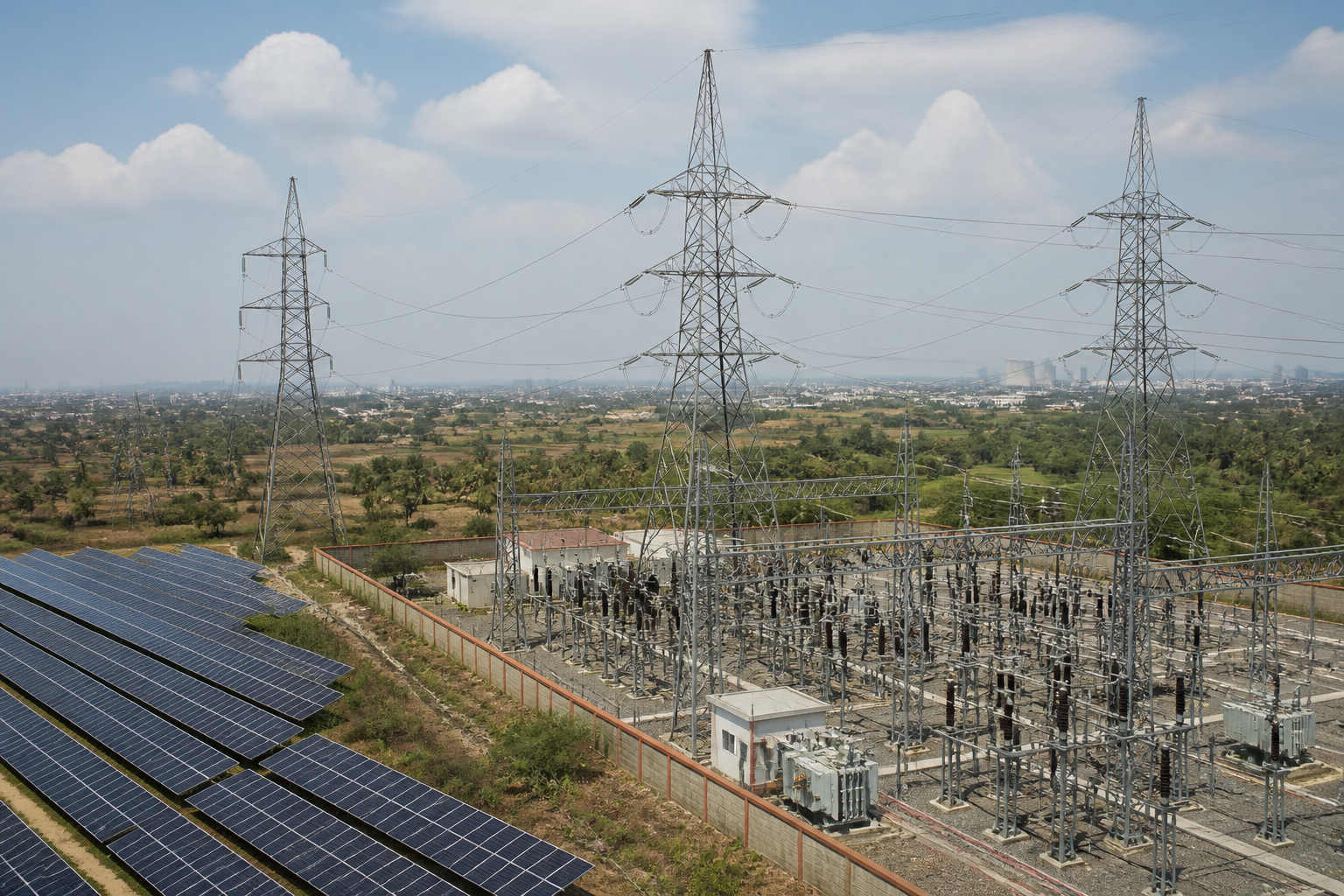
Karnataka plans to raise its installed power-generation capacity from more than 39 gigawatts to 66 gigawatts by 2030, while prioritising renewable energy, storage and grid infrastructure to meet rising demand, state Energy Department Additional Chief Secretary Gaurav Gupta said on Thursday.
Speaking at the Focus State Session of Bharat Electricity, Powergen India and Indian Utility Week 2026 in New Delhi, Gupta said the state had prepared a 10-year strategy for increasing its power capacity. He said Karnataka expected electricity demand to double over the next decade because of rapid industrial expansion, wider use of electric vehicles and the development of large data centres in Bengaluru, Mysuru and Mangaluru.
Gupta said renewable sources would remain central to the capacity expansion. More than two-thirds of Karnataka’s total electricity-generation capacity currently comes from hydropower and other renewable sources, according to his remarks. The state is preparing to strengthen its renewable-energy base further, he said.
Karnataka is among the early states to implement a resource-adequacy plan approved by the Central Electricity Authority and the Karnataka Electricity Regulatory Commission, Gupta said. The plan is intended to help the state manage future electricity requirements alongside the expansion of generation and transmission infrastructure.
The state is also preparing to implement the 2,000-megawatt Sharavathi pumped-storage project. Gupta said large battery energy-storage systems were being installed at key substations operated by the Karnataka Power Transmission Corporation Limited to support grid stability.
He said the government was pursuing the expansion of the Pavagada Solar Park and increasing wind-power capacity. Solarisation of agricultural feeders is also being encouraged through PM-KUSUM-C and the Chief Minister’s Solar Agriculture Scheme, or CM-SKY.
On transmission infrastructure, Gupta said KPTCL was operating with transmission losses of less than 3%. The corporation has also taken up the construction of thousands of kilometres of new transmission lines and super-grid substations, he said.
The government expects to attract private investment of between Rs 2 lakh crore and Rs 3 lakh crore into the electricity sector over the next four to five years, particularly in energy storage and transmission, Gupta said. The state is responding to investor feedback on land-related rules and project approvals by simplifying procedures and moving them online.
Divya Prabhu, managing director of CREDAL, said Karnataka had opportunities for international partnerships in battery storage, green hydrogen and smart-grid automation. She also said digital systems were being developed to forecast electricity generation and demand, while artificial intelligence was gaining a larger role in the energy sector.
According to Prabhu, renewable-energy projects in the state have been mapped and a single-window digital platform is being developed to give investors consolidated project information. The three-day industry event, organised by the Energy and Climate Initiatives Society, brought together more than 15,000 professionals from 40 countries, over 250 exhibitors and 150 global thought leaders, according to the event details cited by the speakers.
