


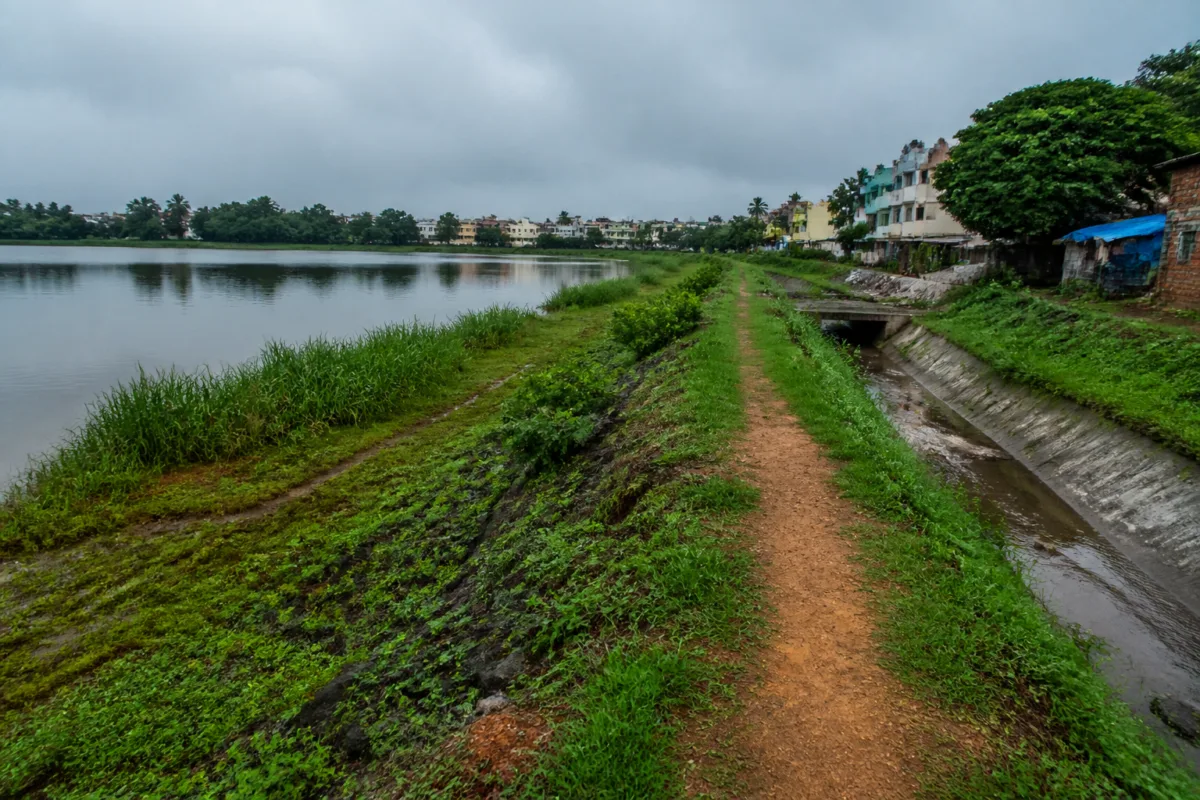
Karnataka has proposed uniform buffer norms for lakes, tanks and stormwater drains in local planning areas across the state, creating a standard framework for development permissions outside Bengaluru’s principal metropolitan planning jurisdictions.
The urban development department has published draft amendments to the zoning regulations of approved master plans and invited public objections and suggestions until Nov 8. The proposed rules would apply outside the areas covered by the Greater Bengaluru Authority, Bengaluru Development Authority, Bengaluru Metropolitan Region Development Authority and Bengaluru-Mysuru Infrastructure Corridor Area Planning Authority.
Under the draft, lake and tank buffers would be linked to the size of each waterbody. Waterbodies measuring up to 0.05 acre would have no buffer under the proposed scale. Those above 0.05 acre and up to 0.1 acre would have a one-metre buffer, while waterbodies above 0.1 acre and up to one acre would have a three-metre buffer.
The proposed buffer would increase to six metres for lakes and tanks larger than one acre and up to 10 acres. Waterbodies above 10 acres and up to 25 acres would receive a 12-metre buffer, while those above 25 acres and up to 100 acres would have a 24-metre buffer. Lakes and tanks spread across more than 100 acres would have a 30-metre buffer.
For stormwater drains, the draft proposes a 15-metre buffer on either side of primary drains, 10 metres for secondary drains and five metres for tertiary drains. The classification of a drain would therefore determine the extent of land kept outside the regular development zone.
The proposed regulations would not create an absolute ban on all infrastructure inside these buffers. They list sewage treatment plants, intermediate sewage pumping stations and wet wells among the facilities that could be permitted. Sewage networks, water-supply lines, roads, bridges and electrical lines, along with associated works, are also included among the infrastructure that may be allowed.
The inclusion of utility and transport infrastructure indicates that the draft seeks to balance waterbody protection with the practical requirements of urban service delivery. However, the proposal would still place such projects within a regulated buffer framework rather than treating the surrounding land as unrestricted development space.
The draft further states that permissions in sensitive areas identified in the land-use plan can be considered only by the relevant authority. This places the responsibility for decisions in designated sensitive areas with the planning or regulatory authority concerned.
The proposed framework comes as local planning areas outside Bengaluru continue to manage growth, drainage and expanding civic networks through different planning arrangements. A common buffer scale could make permissions more predictable across these areas, while the public-objection process will determine whether the proposed measurements and permitted uses are retained or revised. The state has set Nov 8 as the deadline for submitting objections and suggestions.

