


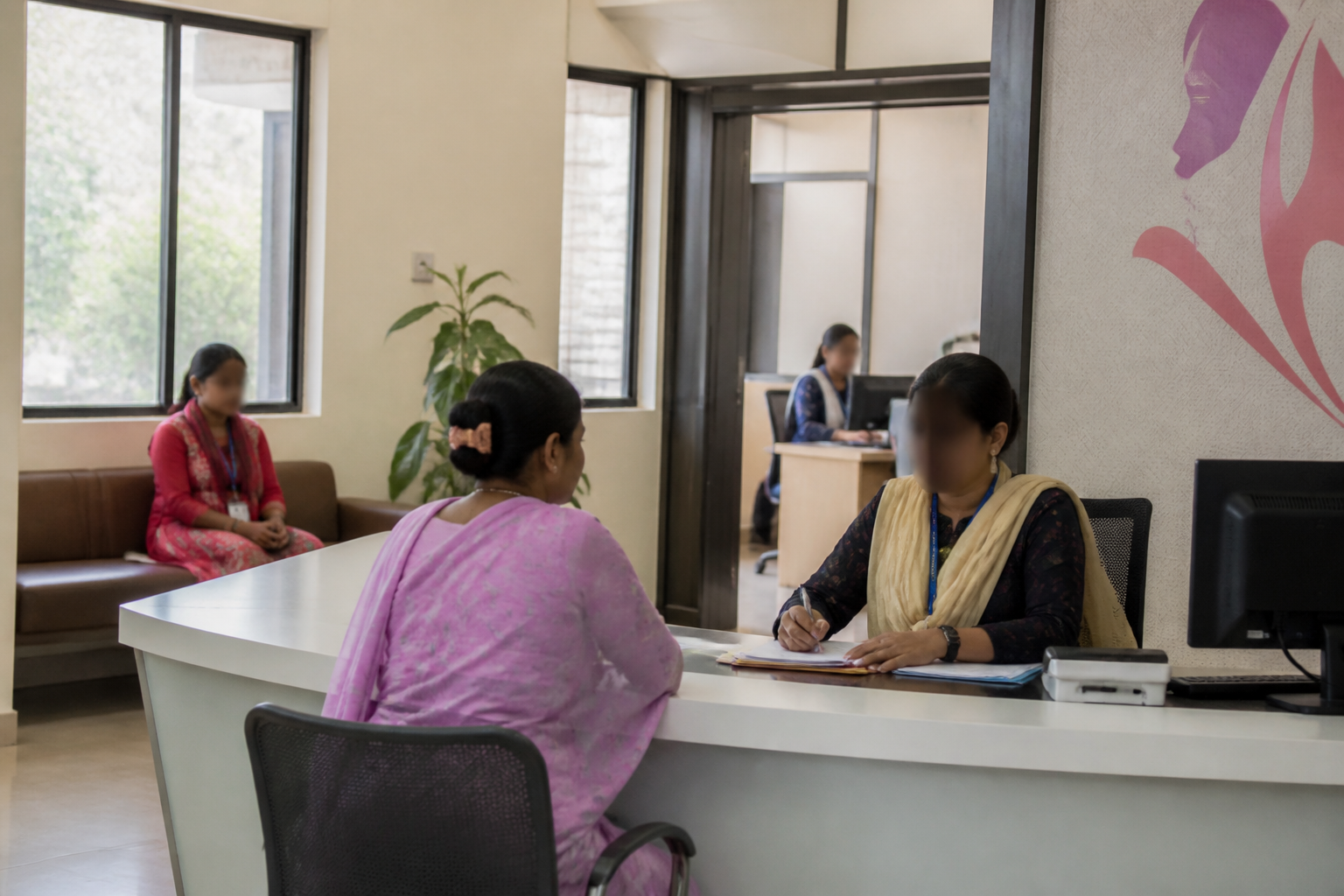
Jharkhand Women Development Society has partnered with civil society organisation Association for Parivartan of Nation to strengthen women protection services, upgrade the state women’s helpline and improve operations at 35 One Stop Centres across the state.
The non-financial collaboration has been formed under the state women, child development and social security department to support the implementation of Mission Shakti and expand protection, support and safety services for women and other vulnerable groups. The partnership will focus on making service delivery more consistent across the One Stop Centres, which provide coordinated assistance to women facing violence, distress or other protection concerns.
Mission Shakti data cited in the announcement showed that 11,151 women and girls received assistance at Jharkhand’s One Stop Centres up to August 31. The starting date for this figure was not specified in the supplied report.
Under the partnership, the centres are expected to adopt standardised case management protocols and standard operating procedures. The collaboration will also introduce beneficiary tracking and grievance redressal systems, with the stated aim of improving continuity in cases and making it easier to monitor whether beneficiaries receive the required support.
The initiative includes an upgrade of the women’s helpline and capacity-building for frontline staff. Survivor-centred training will form part of the programme, along with a joint state-level operational framework intended to coordinate different components of Mission Shakti.
Technology will be used through digital case management systems, beneficiary platforms and real-time monitoring dashboards. These systems are intended to help authorities track cases and service delivery across the 35 centres. The supplied report did not provide a launch date, technology vendor, implementation budget or specific rollout schedule for the digital systems.
The partnership will also include awareness campaigns on women’s rights and welfare schemes, policy research and technical advisory support. Coordination is planned with the police, health services, legal services authorities, rural development agencies, Jharkhand State Livelihood Promotion Society and protection officers.
The cross-departmental structure is significant because women’s protection cases often require support from more than one public institution. The announced framework places the One Stop Centres within a wider network involving law enforcement, healthcare, legal assistance and welfare delivery, rather than treating them as standalone facilities.
APNA programme director Hunar Malik said the collaboration would help translate policy intent into practical, on-ground impact by strengthening case management, training and digital systems that directly support survivors and beneficiaries.
The next steps identified in the announcement are the development of operational protocols, frontline training, helpline strengthening, digital monitoring and coordination between the participating departments and agencies. The report did not specify when these measures will become operational at each centre.
