


Jharkhand Chief Minister Hemant Soren has directed officials to balance wildlife conservation with basic services and development needs in forest-dwelling communities, while ensuring that new infrastructure does not compromise wildlife safety.
Chairing the 16th meeting of the Jharkhand State Wildlife Board on Thursday, Soren said people living in sanctuaries and protected forest areas should not be denied essential facilities in the name of conservation. He called for improvements in infrastructure, livelihood opportunities and access to services alongside measures to protect wildlife.
The meeting reviewed proposals involving infrastructure, communication networks, drinking water, tourism and mining activities in forest areas. The report did not specify project locations, implementation timelines or the agencies responsible for carrying out the directions.
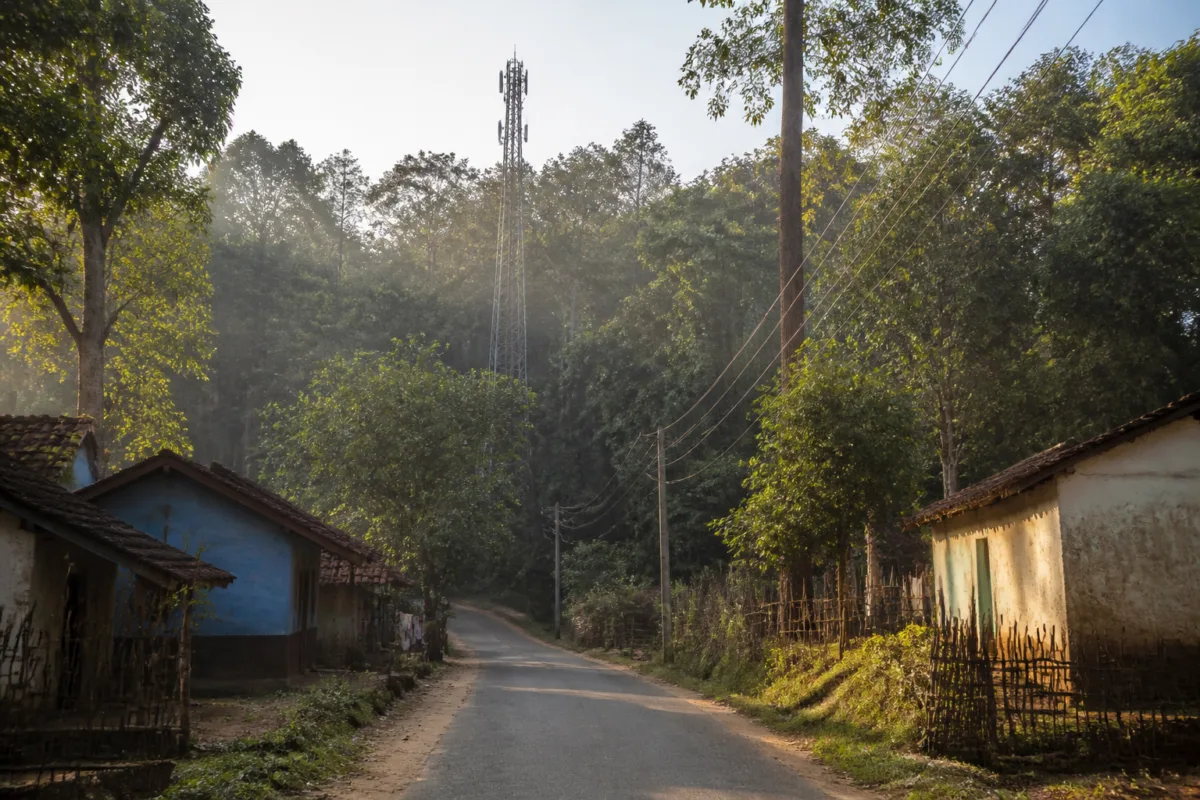
Soren also supported expanding mobile communication networks in villages in and around forest areas. However, he said wildlife safety must remain the foremost consideration when mobile towers are installed. He directed officials to assess potential radiation and environmental impacts before approving such projects.
The chief minister’s directions come amid recurring human-elephant conflict in Jharkhand. Officials attributed the problem to the degradation of forest corridors because of mining, infrastructure projects and other activities. The report said rough estimates indicated that more than three dozen people had been killed in such conflicts across the state since January. It also said more than a dozen elephants had died in incidents involving electrocution, alleged poisoning and other causes, including raids on grain stores.
Soren called for scientific afforestation using native and useful species. He said plantation programmes should prioritise trees that provide fruit, fodder and other resources for wildlife while creating economic opportunities for local residents.
The meeting’s focus places connectivity and public services within a wider conservation framework. It also highlights the implementation challenge facing officials: improving access in protected and forest areas while protecting wildlife corridors and reducing risks created by infrastructure and economic activity. No further details were provided on the proposed environmental assessments or on how the state plans to monitor compliance with the directions.

