


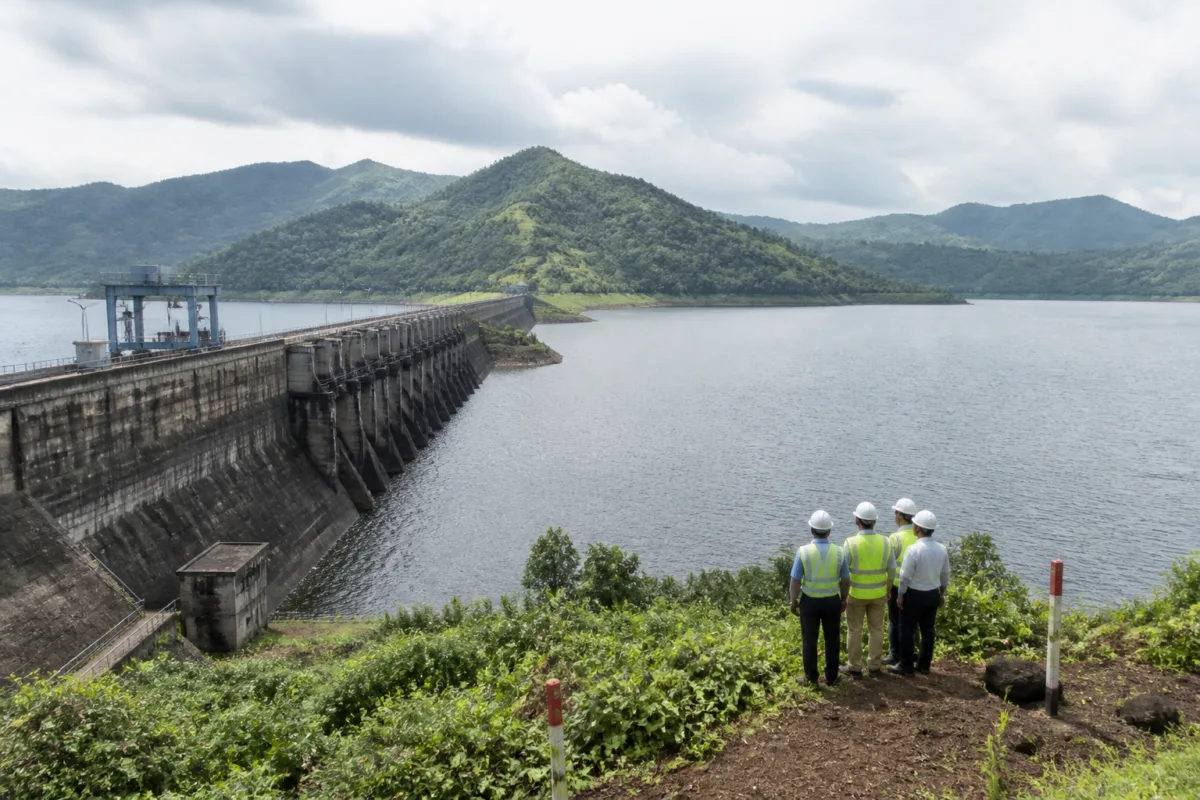
Pune has been allocated 8 TMC of water from Mulshi Dam following a meeting chaired by Maharashtra Chief Minister Devendra Fadnavis, with the additional supply expected to become available within 1.5 to two years, according to a report by Sakal.
The decision is intended to address the city’s future water needs as Pune’s boundaries and population expand. The report said Pune, Pimpri-Chinchwad and areas under the Pune Metropolitan Region Development Authority are seeing substantial construction and population growth, increasing demand for water across the region.
Pune currently depends on the Khadakwasla project and other reservoirs for its water supply. Sakal reported that storage levels in these reservoirs are lower than at the same time last year, while the state is facing water scarcity concerns linked in the report to the increasing impact of El Niño. The Pune Municipal Corporation has consequently been implementing measures to conserve water.
Pune Municipal Commissioner Naval Kishor Ram said the 8 TMC quota from Mulshi Dam had been approved and that the water would be available to the city within the next 1.5 to two years. He added that other important issues would be discussed at a subsequent meeting.
The allocation will require a separate infrastructure and funding plan before the water can be brought to Pune. According to the report, the municipal corporation will need to prepare a detailed project report covering a large water pipeline from the dam, a jackwell, a water-treatment plant and other associated works.
The report said the municipal corporation would need to make a substantial financial provision for these projects. It did not provide the estimated project cost, the proposed alignment of the pipeline, the source of funding or details of the approvals required.
The reported decision therefore marks the beginning of a new water-supply project rather than the immediate arrival of additional water. Its impact on Pune’s future supply will depend on the preparation and execution of the project plan, construction of the supporting infrastructure and completion of the remaining administrative processes.

