


Jharkhand’s drug price monitoring system has achieved 97% of the targets set by the Union government, prompting the state health department to direct officials to reach full compliance and strengthen enforcement against overpricing and medicine shortages.
The Jharkhand Pharmaceutical Price Monitoring and Resource Unit (PMRU) is responsible for monitoring medicine prices, checking the availability of essential drugs and informing consumers about government-notified rates. State health department additional chief secretary Ajoy Kumar Singh directed officials to improve the unit’s performance during a review of its work.
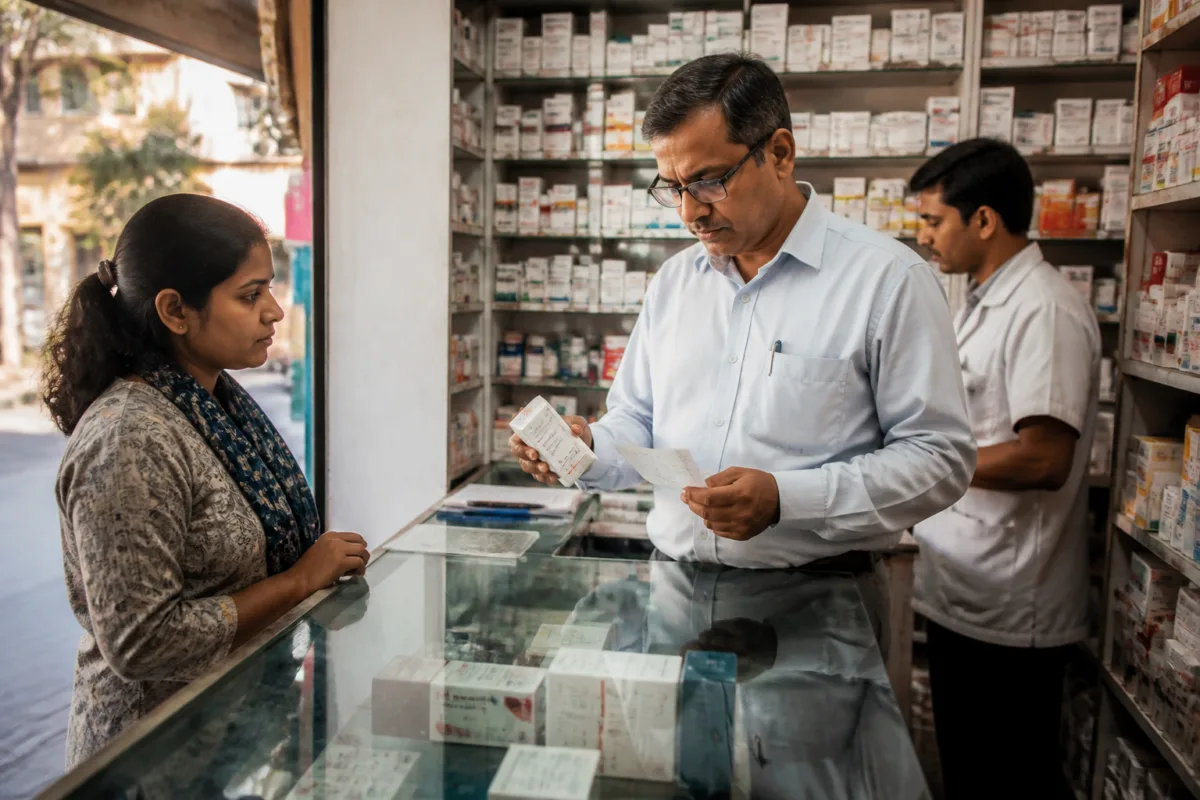
Singh said the PMRU regularly inspects medical stores, hospitals and other drug outlets to check whether medicines are being sold within applicable price regulations. The unit collects samples of medicines covered by government-fixed ceiling prices and verifies whether retailers are charging above the prescribed rates.
For non-scheduled medicines, the PMRU monitors price increases. According to Singh, the unit can initiate an inquiry and regulatory action if prices rise by more than 10%. The enforcement framework is intended to ensure that consumers are not charged beyond permitted levels and that essential medicines remain available through the distribution system.
The health department has also asked officials to increase public awareness about digital tools that allow consumers to check medicine prices. Singh urged buyers to verify the maximum retail price of medicines through the Centre’s Integrated Pharmaceutical Database Management (IPDMS) 2.0 portal.
Officials were additionally directed to promote the Pharma Sahi Daam mobile application. The application enables users to check medicine prices and drug composition details, lodge complaints about overpricing and report medicine shortages. These tools place greater emphasis on consumers identifying and reporting violations at the point of purchase.
The state’s reported 97% achievement, however, has not ended concerns about affordability. Activist Atul Gera said many patients continue to struggle to buy essential medicines, arguing that compliance with maximum retail prices does not address the difference between wholesale and retail prices.
“While the government has ensured selling medicines at MRP rates, there is no mechanism to control the huge gap in retail and wholesale prices of medicines,” Gera said. He claimed that high retail prices prevent some patients from purchasing vital medicines and called for more Jan Aushadhi Kendras in Jharkhand to expand access to discounted generic medicines.
The department’s immediate target is to move the PMRU’s performance from 97% to 100%, while strengthening inspections, consumer awareness and the use of IPDMS 2.0 and Pharma Sahi Daam. The report does not specify the number of inspections, violations detected or additional Jan Aushadhi Kendras planned in the state.

