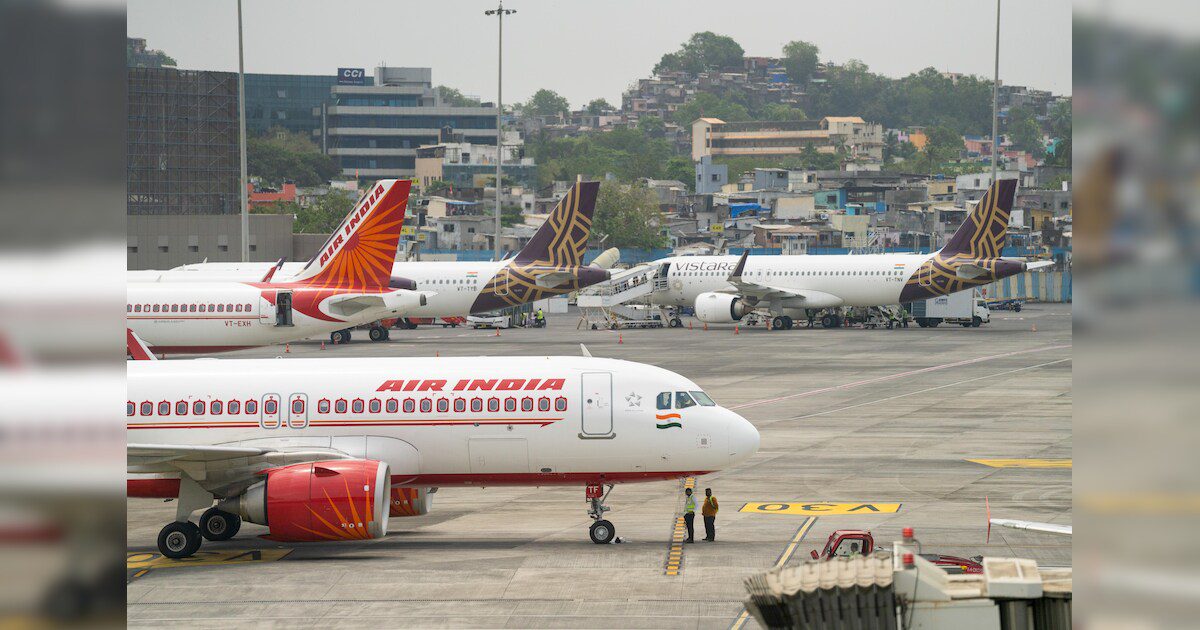
Jaipur Airport Overflows As Delhi Flights Diverted
A surge in flight diversions from Delhi to Jaipur triggered an unusual passenger movement chain over the weekend, with several travellers transported by road after aircraft operations were halted mid-journey. The disruption, caused by adverse weather and operational constraints, highlights the fragility of aviation infrastructure during peak demand periods and its ripple effects on regional mobility systems.
Late on Friday, poor visibility and unstable weather conditions over Delhi forced airlines to reroute multiple incoming flights to Jaipur, a key diversion hub in north India. The situation intensified as pilot duty limits were reached on some flights, preventing onward journeys to the capital. As a result, at least two flights were unable to resume operations, and passengers were deboarded and sent to Delhi by bus. The disruption was not isolated. Over two dozen flights were redirected over the course of the night, including several international arrivals, reflecting the scale of operational stress on Delhi’s aviation network. Earlier reports also indicate that weather-related disturbances frequently trigger such diversions, underscoring recurring vulnerabilities in the region’s air traffic management. For passengers, the experience translated into extended travel times, uncertainty, and a shift from air to road transport at short notice. While bus transfers offered a practical fallback, they exposed gaps in integrated transport planning between airports and cities. Unlike rail or metro-linked terminals, diversion scenarios often rely on ad hoc arrangements, placing logistical strain on both operators and travellers.
From an infrastructure standpoint, the incident brings attention to the growing reliance on secondary airports like Jaipur to absorb excess traffic from saturated metro hubs. While this redundancy is critical for safety, it also raises questions about capacity planning and coordination across regional airports, especially as air travel demand continues to rise. Urban mobility experts note that such disruptions extend beyond aviation. When passengers are rerouted to road networks, it increases pressure on highways and intercity transport systems, contributing to congestion and emissions. In climate-sensitive regions, where extreme weather events are becoming more frequent, these cascading effects could become more common. The episode also highlights regulatory safeguards such as Flight Duty Time Limitations, which prioritise crew safety but can compound delays when contingencies are limited. In the absence of standby crews or rapid turnaround mechanisms, operational bottlenecks can quickly escalate into passenger displacement scenarios.
Looking ahead, the incident underscores the need for more resilient, multimodal transport planning that integrates aviation with rail and road systems. Strengthening weather forecasting, expanding airport capacity, and improving contingency protocols could help reduce the frequency and impact of such disruptions. As India’s aviation sector continues to expand alongside urban growth, ensuring that infrastructure systems can absorb shocks—without transferring the burden onto passengers—will be key to building a more reliable and sustainable mobility ecosystem.