


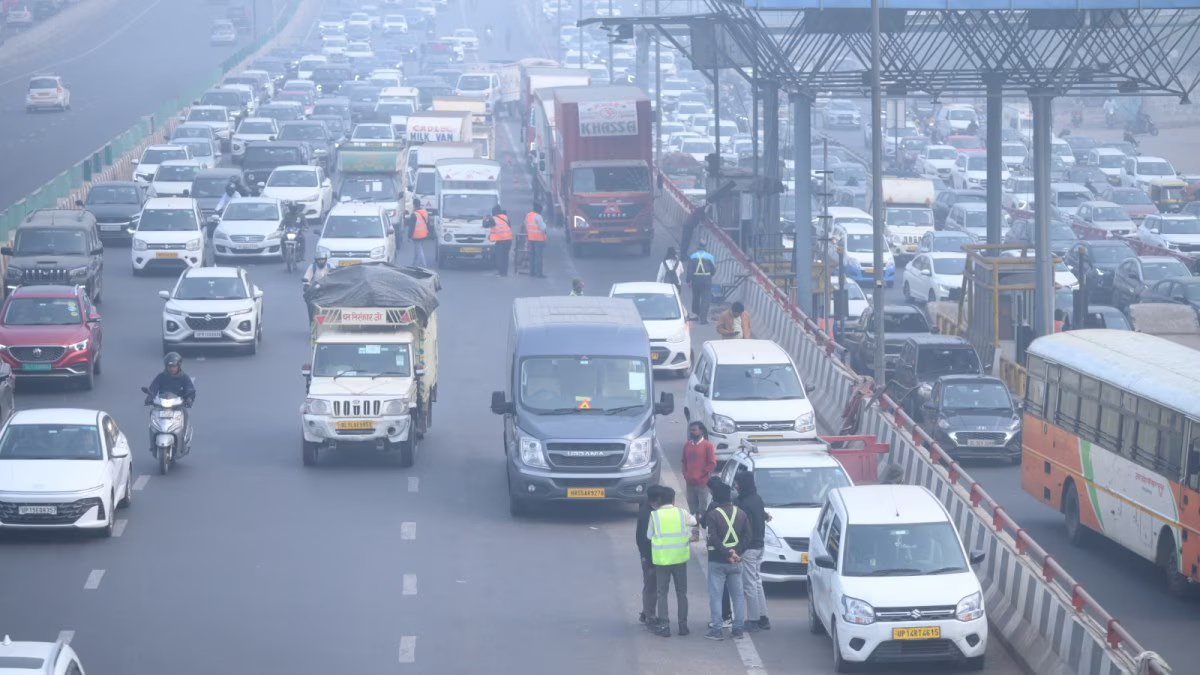
Indore is set to witness temporary traffic restrictions and route diversions as the city prepares to host a large-scale public marathon linked to a nationwide civic campaign. While authorities have issued advisories to manage vehicular movement, the arrangements underscore the growing challenge of balancing public events with everyday urban mobility in rapidly expanding cities. The marathon, part of a broader national initiative aimed at encouraging public participation and awareness around women-led development, is scheduled to take place across multiple cities, including Indore.
In anticipation of the event, local traffic management plans include rerouting private vehicles and restricting movement along key stretches during peak morning hours, with commuters advised to use alternate corridors. Such disruptions, though temporary, highlight deeper structural issues in urban transport planning. Indore, like many Indian cities, has seen increased reliance on road-based mobility without proportional expansion in road capacity or multimodal transport systems. When large public events intersect with daily commute patterns, even short-term diversions can trigger congestion spillovers across surrounding neighbourhoods. Urban mobility experts point out that cities often treat traffic advisories as reactive measures rather than integrating them into long-term planning frameworks. Events involving large crowds require coordination across transport departments, policing, and public communication systems. In the absence of robust real-time information systems, commuters—especially those dependent on fixed schedules such as workers and students—bear the brunt of uncertainty. The situation also raises questions about the design of public spaces in Indian cities. Dedicated pedestrian corridors, event zones, and flexible-use streets remain limited, forcing authorities to repurpose arterial roads for civic gatherings. This not only disrupts traffic flow but also reveals a gap in inclusive urban design, where public participation and mobility should ideally coexist without conflict. From a sustainability perspective, frequent road closures and congestion can increase vehicular emissions due to idling and detours. Transport planners argue that integrating public transport options, such as special bus services or park-and-ride systems during events, could reduce reliance on private vehicles and improve overall efficiency. There is also a civic dimension to consider. Public events centred on social themes—such as gender inclusion and participation—are increasingly becoming part of urban culture. However, their success depends not only on turnout but also on how seamlessly cities can accommodate them without disrupting essential services.
As Indore continues to grow as a regional hub, the need for resilient and adaptive traffic management systems is becoming more urgent. Experts suggest that future planning should include pre-designated event routes, digital traffic alerts, and stronger integration with public transport networks. The upcoming marathon may pass within a few hours, but it offers a longer-term lesson for urban governance: cities must evolve beyond ad hoc solutions and move towards mobility systems that are flexible, inclusive, and prepared for both routine demand and civic engagement.
ALSO READ – Indore SEZ Export Growth Signals Industrial Shift
Indore Traffic Diversions Planned For City Marathon
