


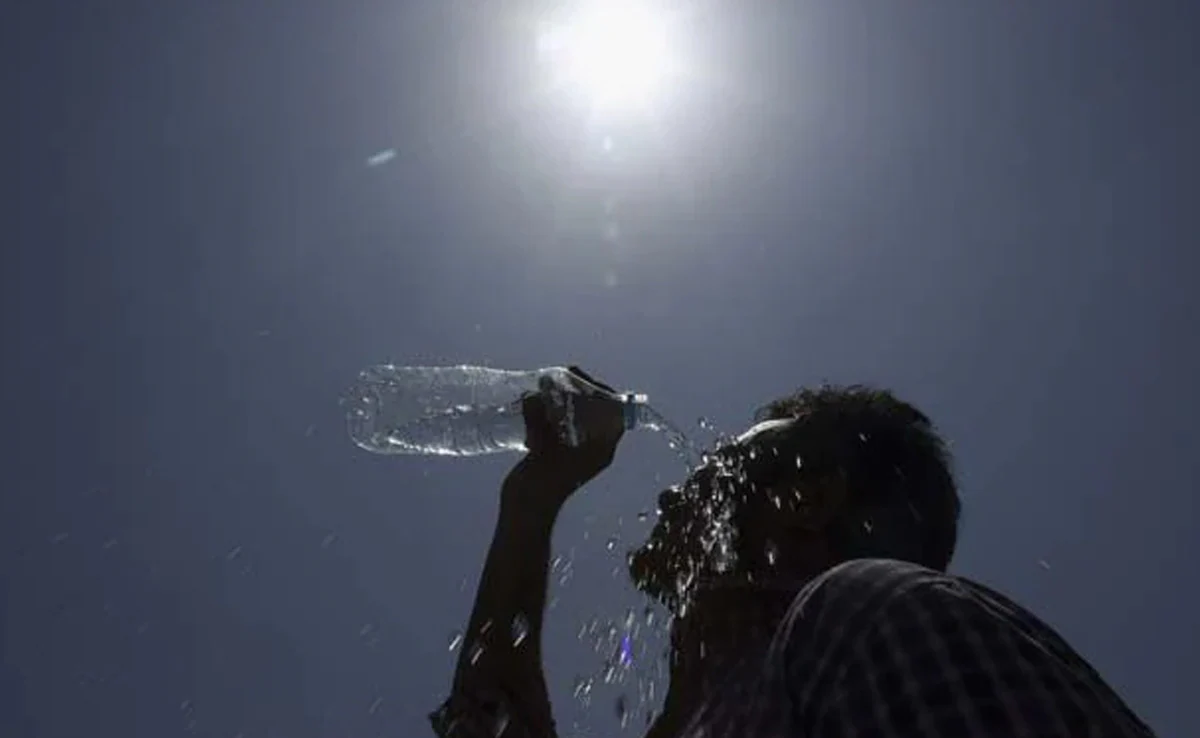
Indore and several parts of Madhya Pradesh are entering an intense heat phase, with meteorological authorities issuing alerts as temperatures climb sharply above seasonal norms. The warning signals not just a short-term weather event, but a growing urban challenge as cities confront rising heat stress and its impact on public health, infrastructure, and daily life. Recent observations indicate that temperatures in Indore have already touched around 40°C, with forecasts pointing to further increases in the coming days.
The India Meteorological Department has cautioned that heatwave conditions are likely to intensify across parts of the state, driven by dry winds and clear skies that trap heat over urban areas. The Indore heatwave alert comes amid a broader national trend of rising temperatures and more frequent extreme heat events. Climate data suggests that many regions in central India are experiencing above-normal heat days, with temperatures in several locations already crossing the 38–42°C range earlier than usual in the season. This shift is increasingly linked to changing climate patterns, including reduced cooling periods between winter and summer. For cities like Indore, the implications extend beyond discomfort. Urban planners highlight that dense construction, limited tree cover, and expanding paved surfaces contribute to the “urban heat island” effect, where built-up areas retain more heat than surrounding regions. This can lead to higher night-time temperatures, reducing recovery time for residents and increasing health risks, particularly for the elderly, outdoor workers, and low-income communities. The Indore heatwave alert also raises concerns about infrastructure readiness. Prolonged heat can strain electricity networks due to increased cooling demand, while water supply systems may face pressure as consumption rises. Public transport and road infrastructure can also be affected, with heat exposure impacting both equipment performance and commuter comfort. Health experts warn that early-season heatwaves can be particularly dangerous because populations are not yet acclimatised. Advisory measures—such as avoiding outdoor activity during peak hours, staying hydrated, and using protective clothing—are being emphasised. However, urban policy specialists argue that behavioural advisories alone are insufficient without systemic interventions. There is increasing recognition that cities need long-term heat mitigation strategies. These include expanding green cover, promoting reflective and energy-efficient building materials, and designing shaded, walkable public spaces. Integrating heat action plans into urban governance frameworks is seen as critical to reducing vulnerability.
The situation in Indore reflects a wider transformation in how climate risks are manifesting in Indian cities. What were once seasonal spikes are becoming more frequent and prolonged, demanding a shift in both planning and policy responses. As temperatures continue to rise, the immediate focus remains on public safety and preparedness. But in the longer term, the challenge will be whether cities like Indore can adapt their growth patterns to remain liveable in an increasingly warming climate.
ALSO READ – Indore Traffic Checks Expose Urban Discipline Challenges
Indore Heatwave Alert Raises Urban Climate Risks
