


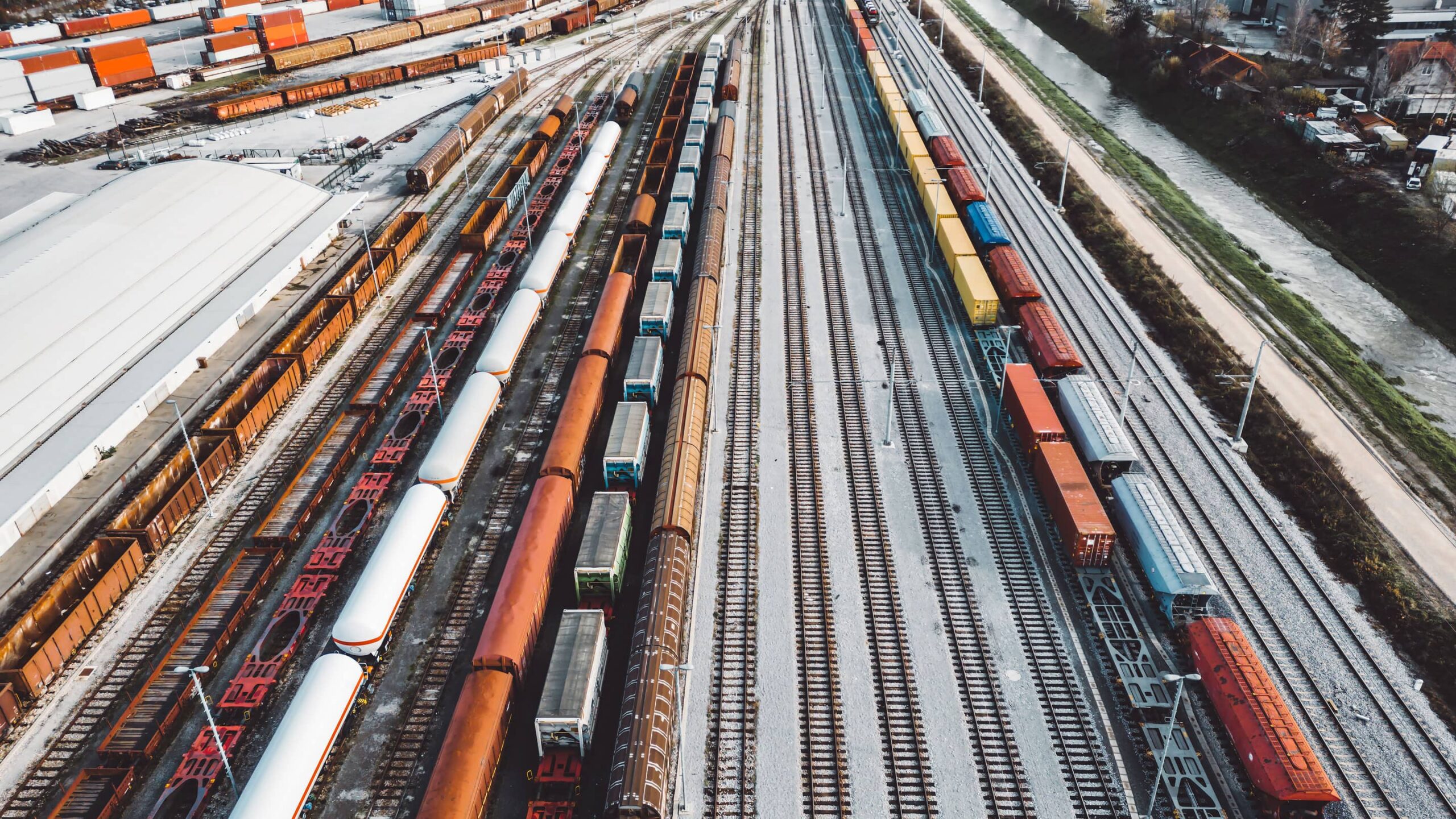
A major railway infrastructure decision linking central India with the western coast is expected to reshape freight movement and regional trade patterns. A new rail corridor connecting Indore and the Mumbai region through a shorter alignment has received central approval, creating a direct logistics route that could significantly reduce travel distance and improve connectivity between industrial centres in Madhya Pradesh and Maharashtra. The Indore Mumbai rail corridor is being positioned as a key component of the country’s integrated infrastructure strategy. Officials familiar with the project say the new line will stretch roughly 309 kilometres and is expected to be developed at an estimated investment exceeding ₹18,000 crore. The route is designed to provide the most direct railway connection between the commercial ecosystems of Indore and Mumbai, cutting the existing rail distance by more than 300 kilometres and enabling faster movement of both passengers and freight.
Beyond travel time savings, planners view the Indore Mumbai rail corridor as a strategic economic intervention. Indore sits at the centre of the rapidly expanding Malwa industrial belt, home to manufacturing clusters, logistics parks and agro-processing hubs. A shorter rail route to western ports and financial markets is expected to reduce logistics costs for exporters and improve supply chain reliability for industries dependent on coastal gateways. The proposed alignment will pass through several districts in Madhya Pradesh and Maharashtra that historically lacked direct railway access. Urban planners note that extending rail infrastructure into such regions can stimulate new economic activity, expand labour mobility and enable smaller towns to integrate into national supply chains. In many cases, rail access determines where industrial investments and warehousing clusters emerge. The project is being developed under the PM Gati Shakti National Master Plan, a multi-ministry framework designed to synchronise transport infrastructure across railways, highways, ports and logistics networks. The initiative aims to reduce infrastructure fragmentation and create seamless multimodal connectivity across economic zones. From a sustainability perspective, railway officials emphasise that shifting long-distance cargo from road to rail can significantly reduce fuel consumption and emissions. Freight trains typically emit substantially less carbon per tonne-kilometre compared with heavy trucks, making rail expansion an important component of climate-aligned transport planning. Industry observers also highlight the corridor’s potential impact on emerging logistics infrastructure. Industrial estates around Indore and nearby manufacturing clusters could gain faster access to west coast ports, strengthening export competitiveness. Improved connectivity may also encourage the development of multimodal logistics parks and warehousing corridors along the route. Construction of the rail line is expected to generate substantial employment during the development phase, with railway authorities estimating millions of person-days of labour over the project lifecycle.
While timelines will depend on land acquisition and engineering works, infrastructure experts view the Indore Mumbai rail corridor as one of the most consequential transport projects for central India in recent years. If implemented efficiently, it could reshape freight geography, accelerate industrial growth in underserved districts and strengthen the region’s integration with India’s coastal economic networks.
ALSO READ – Uttar Pradesh Education Infra Push Signals System Shift
Indore Mumbai Rail Corridor Set to Reshape Trade Routes
