


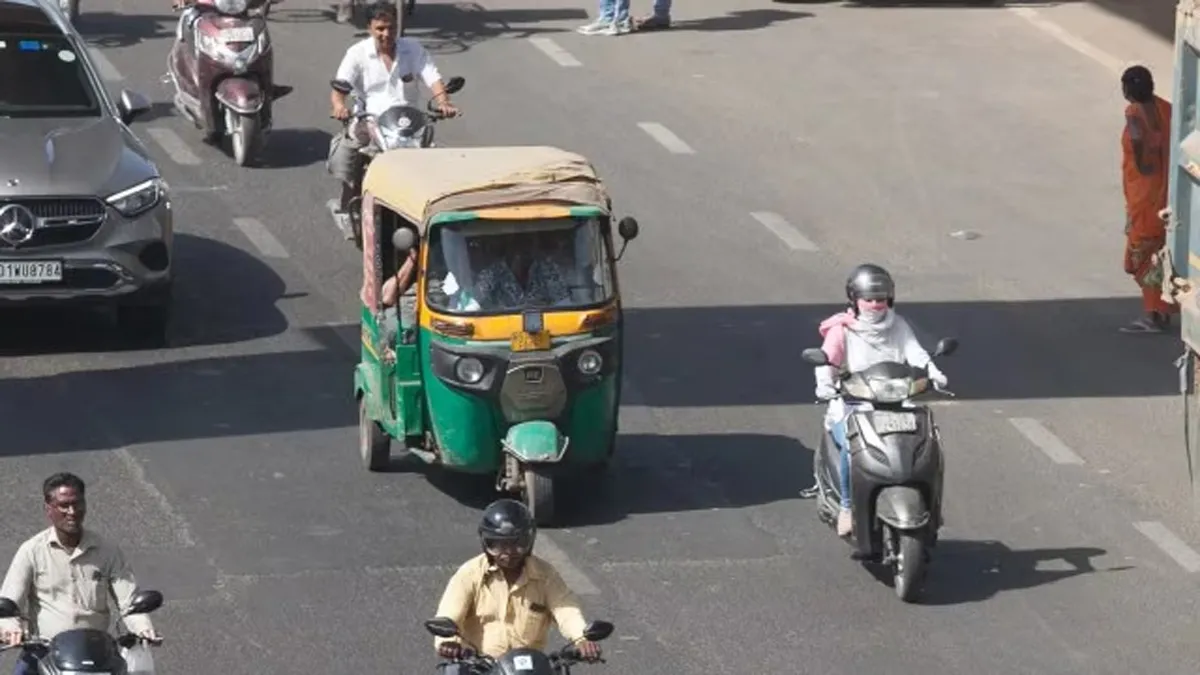
Indore has recorded nearly 2,500 fatalities from road accidents over the past five years, signalling a persistent urban safety crisis in one of India’s fastest-growing cities. The figures highlight not only the scale of traffic-related risks but also the mounting pressure on urban infrastructure to keep pace with rapid motorisation and expanding city limits. Officials tracking road safety data indicate that fatalities have remained consistently high year-on-year, with two-wheelers and pedestrians forming a significant share of victims.
Urban planners point out that this trend reflects a structural imbalance—where vehicle growth has far outpaced investments in safer streets, public transport, and pedestrian-friendly infrastructure. The Indore road accident deaths also underline gaps in enforcement, road design, and behavioural compliance. A senior transport official noted that while traffic volumes have surged, road networks have not evolved with adequate safety features such as dedicated lanes, improved signage, and traffic calming measures. Experts argue that the current approach to road expansion often prioritises speed and capacity over safety, particularly in mixed-use urban zones where pedestrians, cyclists, and vehicles compete for space. The Indore road accident deaths further expose vulnerabilities in last-mile connectivity. Peripheral areas and newly developed corridors often lack proper lighting, crossings, and traffic management systems, increasing risks during peak hours and at night. Urban mobility specialists say that without integrated planning, accident-prone zones are likely to expand alongside the city’s growth. From an economic perspective, the loss of lives also carries broader implications. Fatal accidents impact workforce productivity, increase healthcare burdens, and place financial strain on families. Analysts suggest that investing in safer mobility systems—such as reliable public transport, non-motorised transit infrastructure, and data-driven traffic enforcement—can significantly reduce these hidden costs. Environmental considerations are also part of the equation. A shift towards sustainable transport modes, including buses, cycling, and walking infrastructure, not only reduces emissions but also lowers accident risks. Cities that prioritise people over vehicles tend to report better safety outcomes, reinforcing the need for a more balanced mobility strategy. Urban policy experts emphasise that addressing Indore road accident deaths will require a multi-layered response. This includes stricter enforcement of traffic laws, redesigning high-risk intersections, improving emergency response systems, and promoting public awareness around road safety.
Data-led interventions, such as identifying accident hotspots and deploying targeted solutions, are increasingly seen as critical. As Indore continues its trajectory as a major urban centre, the challenge lies in aligning growth with safety. The city’s next phase of development will depend not just on expanding roads, but on rethinking how those roads serve people—safely, inclusively, and sustainably.
ALSO READ – Jaipur Cricket Milestone Reflects Grassroots Sports Growth
Indore Faces Rising Toll In Road Accidents
