


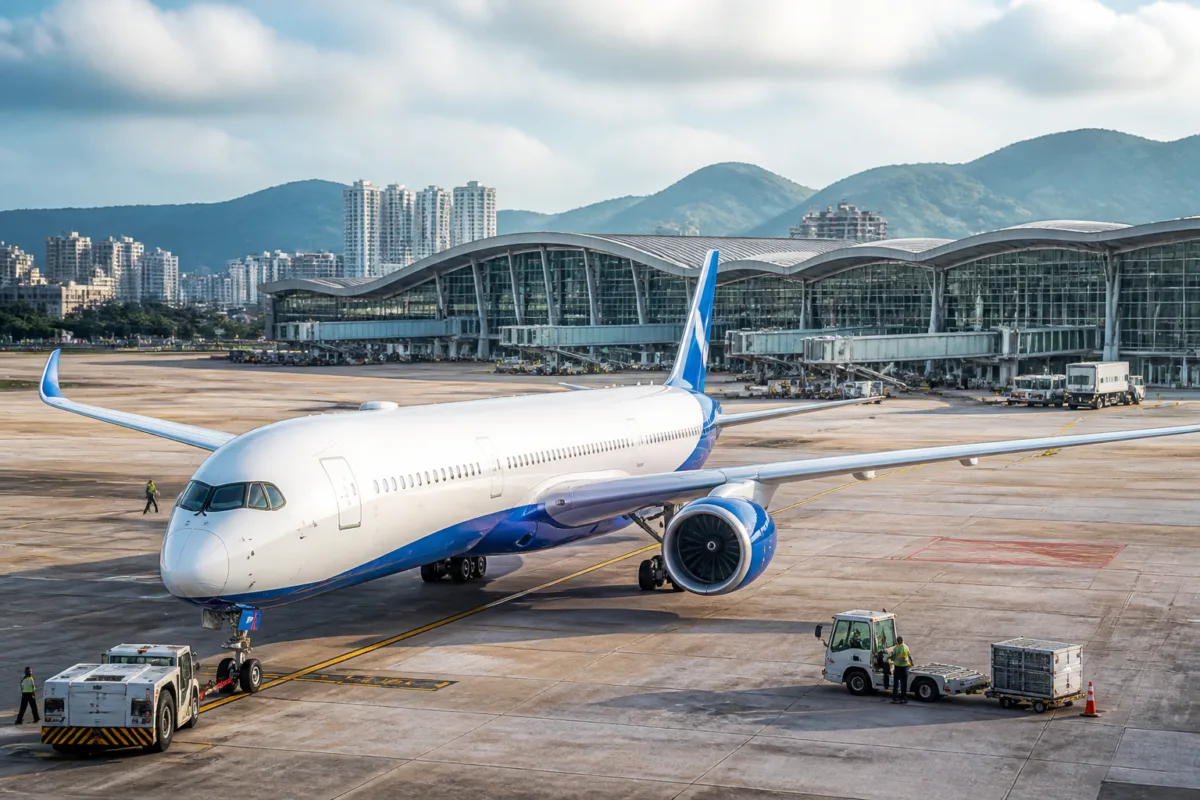
IndiGo expects to receive its first Airbus A350 wide-body aircraft in the second quarter of 2028 as India’s largest airline prepares to expand its long-haul international network, CEO Willie Walsh said on Monday. The plan also places Navi Mumbai airport at the centre of the carrier’s international growth strategy, with IndiGo expected to shift some overseas flights to the new facility.
Walsh made the comments during his first in-person briefing since becoming IndiGo’s chief executive in August, according to Reuters. He said the airline saw “incredible opportunities” despite difficult operating conditions for the aviation industry, including higher fuel prices and a weaker rupee.
The A350 plan is part of IndiGo’s broader effort to build a long-haul operation. The carrier is already using Boeing 787 aircraft for international expansion, and Walsh said their deployment offered an indication of how the airline could use the A350s once they enter the fleet. He also said IndiGo would continue discussions with Boeing if future opportunities arose.
IndiGo currently operates more than 2,100 flights a day and has an operational fleet of more than 400 aircraft. The addition of A350 aircraft would give the airline a wide-body platform for longer international routes, although the company has not announced specific routes or destinations for the planned aircraft in the material available.
The expansion comes as Indian airlines face pressure on costs and profitability. IndiGo reported a net loss of Rs 1,879.1 crore in the September quarter, with higher fuel expenses and the depreciation of the rupee affecting its performance. The airline also reduced capacity during the period and has cut its Saudi Arabia operations by around 30 flights a day, according to Reuters.
Walsh said airport charges and taxes remained a concern for the sector, arguing that the Indian market would perform better with lower costs. His comments connect the airline’s fleet strategy to the wider infrastructure economics of aviation: aircraft expansion depends not only on passenger demand but also on airport capacity, operating charges and the availability of viable international slots.
Navi Mumbai airport is therefore an important part of IndiGo’s network planning. Walsh described the facility as a significant opportunity and said the decision to move some international flights there was taken in the company’s interest. The shift could give the airline an additional base for overseas services while reducing its dependence on existing airport capacity in the Mumbai region.
The first A350 delivery remains scheduled for the second quarter of 2028. IndiGo’s future international deployment will depend on the aircraft programme, airport operations and the carrier’s decisions on routes and capacity.

