


India’s $1.62 billion assistance package for Nepal’s post-flood reconstruction places infrastructure, energy and urban development at the centre of a wider attempt to reset bilateral ties, according to a report by Odisha Bytes.
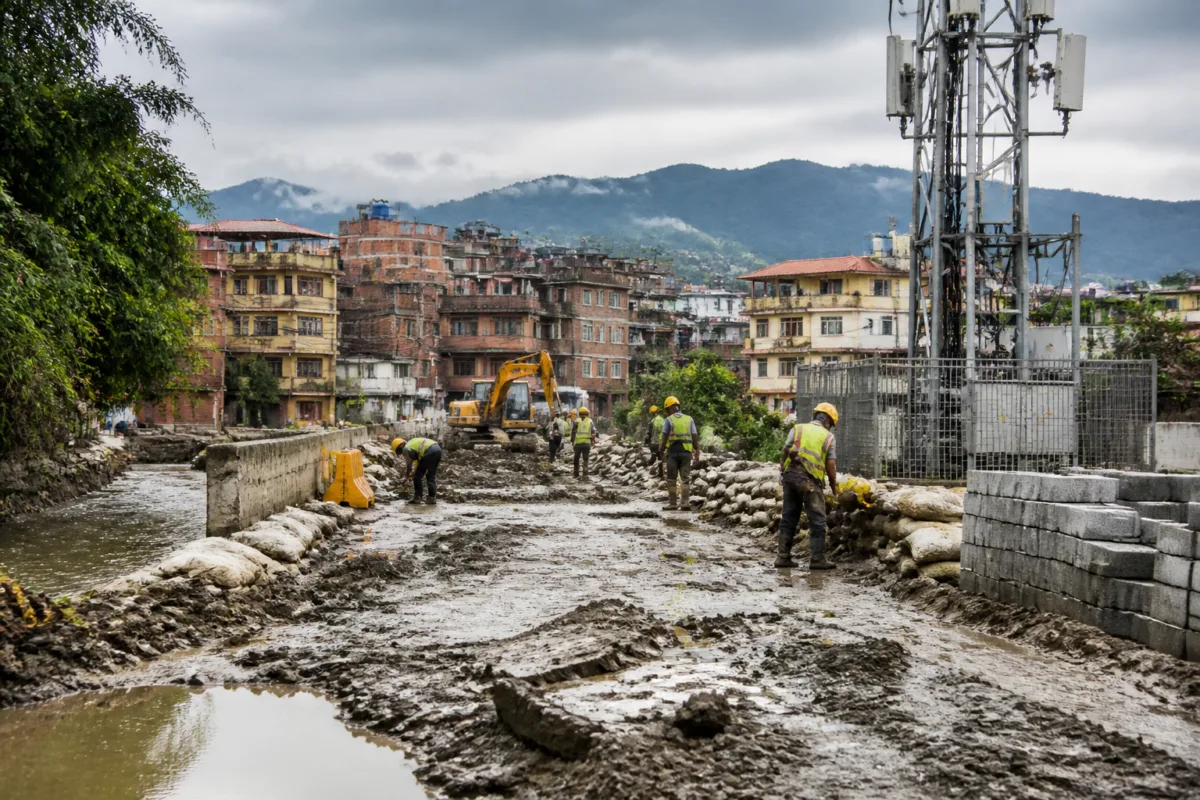
The package, comprising grants and lines of credit, was announced during Nepal Prime Minister Balendra Shah’s first bilateral visit to New Delhi since taking office in March. The assistance follows severe flooding in August that damaged infrastructure and disrupted communications across Nepal.
The report said India moved first with emergency relief supplies and support to restore crippled communications networks. New Delhi then committed the larger reconstruction package as Nepal assessed the cost of rebuilding at about $5 billion—roughly one-tenth of its economy.
Nepal’s Foreign Minister Shisir Khanal described the commitment as the largest single financial assistance package the country had secured, the report said. The allocation is intended to support reconstruction, infrastructure and energy, although the available report does not provide a project-by-project breakdown or a delivery schedule.
The scale of the funding gives the package significance beyond immediate disaster relief. For Nepal, the assistance could help address the fiscal pressure created by a major natural disaster while supporting the restoration and expansion of essential infrastructure. The report also said Shah’s visit produced agreements covering education, satellite communications and sustainable urban development.
The infrastructure response is unfolding against a difficult regional backdrop. India and Nepal have experienced strained relations over the past decade, including disagreements linked to their boundary and the 2015 border blockade. India has denied responsibility for the blockade, while many Nepalis blamed New Delhi for shortages of fuel and other supplies at the time.
At the same time, China has expanded its economic and institutional presence in Nepal. The report said Chinese trade with Nepal had more than tripled over the past decade, driven largely by imports. Beijing has also provided infrastructure, healthcare and education support and has expanded cultural outreach through the Confucius Institute at Kathmandu University.
China also responded to the floods with cash, five shipments of relief goods, more than 20 rescue and forensic specialists, and meteorological, hydrological and geological data, according to comments by Chinese Foreign Ministry spokesperson Guo Jiakun cited in the report.
Nepali government figures cited by Odisha Bytes showed that Indian aid disbursements exceeded China’s by more than four times in the 2024–25 financial year, which ended in mid-July. The report did not specify how the figures were calculated or whether they included the same categories of grants, loans and technical assistance.
The contrasting approaches described in the report are important for Nepal’s built environment. China’s overseas financing has generally been associated with large state-backed infrastructure lending, while India’s regional assistance has combined grants and concessional credit with emergency disaster response. The distinction matters for a country facing both immediate repairs and longer-term investment needs in transport, communications, energy and urban systems.
India’s assistance is also being viewed through the lens of competition with China. India-Nepal affairs specialist Ashok Mehta compared the approach with India’s support for Sri Lanka during its 2022 economic crisis, while Atlantic Council analyst Michael Kugelman said financial assistance can influence the choices of smaller South Asian countries during periods of acute economic stress.
Former Nepali Times editor Kunda Dixit described the aid effort as an attempt by New Delhi to reshape relations with Kathmandu and prevent Nepal from leaning too heavily towards China. Those assessments are interpretations by named analysts, rather than stated project objectives in the reported financing announcement.
The immediate test for Nepal will be how quickly the pledged resources become transparent, prioritised and deliverable reconstruction projects. The available report does not identify the implementing agencies, procurement arrangements, project locations or monitoring framework. Those details will determine whether the package produces durable improvements in flood resilience, communications, energy supply and sustainable urban development, rather than only short-term diplomatic goodwill.

