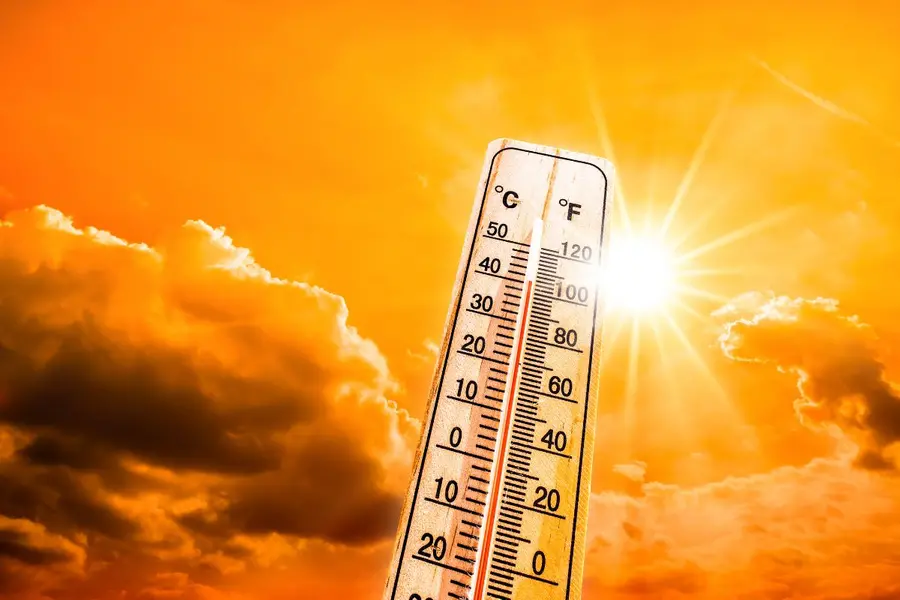
Rising temperatures across Kerala have prompted the India Meteorological Department (IMD) to issue a yellow alert for hot and humid conditions, signalling intensifying climate stress in one of India’s most densely populated coastal regions. The warning, covering multiple districts including Ernakulam, comes as temperatures climb above seasonal averages, raising concerns for public health, infrastructure, and urban liveability.
According to the India Meteorological Department (IMD), maximum temperatures are expected to approach 40°C in parts of the state, with several districts recording levels between 36°C and 37°C—up to three degrees above normal. Combined with high humidity, the perceived heat is significantly higher, intensifying discomfort and increasing the risk of heat-related illnesses.The current heat alert underscores the growing vulnerability of Kerala’s urban centres to climate variability. Cities like Kochi, characterised by high population density and limited ventilation corridors, are particularly susceptible to heat retention. The India Meteorological Department (IMD) has also indicated the likelihood of isolated thunderstorms, reflecting unstable weather patterns linked to seasonal transitions. From an urban planning perspective, the situation highlights the increasing frequency of extreme heat events in regions traditionally known for moderate climates. Experts note that rising temperatures, coupled with humidity, can strain infrastructure systems—particularly electricity networks, water supply, and public health services.The implications extend beyond immediate weather conditions. Prolonged heat exposure affects workforce productivity, especially for outdoor workers in construction, logistics, and informal sectors.
Urban residents without access to cooling systems face heightened risks, raising concerns around equity and access to climate-resilient infrastructure.Authorities have also flagged the spread of misinformation related to extreme heat, with the India Meteorological Department (IMD) and disaster management agencies urging residents to rely on verified updates. Such misinformation can exacerbate panic and hinder effective response measures, particularly during climate-related events.The heat alert comes amid broader environmental signals across the state. Reservoir levels have shown stress due to prolonged dry conditions, while electricity demand has surged as households and businesses rely more heavily on cooling systems. These trends point to a deeper structural challenge—aligning energy systems and urban planning with changing climate realities.For Kerala’s built environment, the current conditions reinforce the need for climate-responsive design. Incorporating passive cooling techniques, increasing green cover, and improving building materials can help mitigate heat impacts in urban areas. Policymakers are increasingly emphasising the integration of such strategies into city planning frameworks.At the same time, the recurring heat alerts raise questions about preparedness and long-term adaptation. While short-term advisories help manage immediate risks, sustained investments in resilient infrastructure and urban design will be essential to address future climate extremes.
Looking ahead, the alert issued by the India Meteorological Department (IMD) serves as a reminder that climate risks are becoming more immediate and widespread. As Kerala navigates rising temperatures and changing weather patterns, the focus will need to shift towards building cities that are not only responsive to such events but also capable of sustaining safe and equitable living conditions in the long term.