


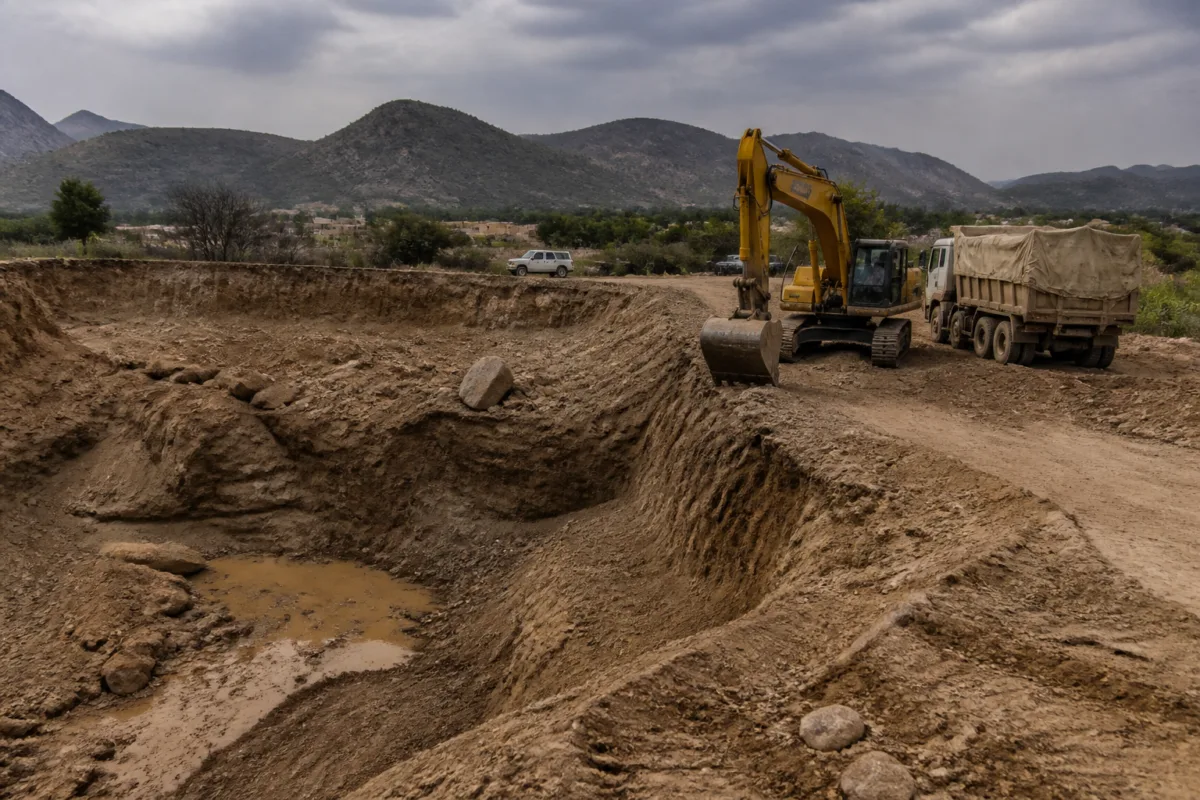
The National Green Tribunal has ordered an investigation into alleged illegal soil excavation in Sukad village of Rajasthan’s Pratapgarh district after forest ranger Pratap Singh Chundawat was killed while attempting to stop a dumper linked to the activity. The tribunal has formed a four-member committee to examine the excavation, environmental damage, enforcement failures and the safety and service benefits of officials involved in such operations.
The committee includes representatives from the Union environment ministry’s Jaipur regional office, the Rajasthan State Pollution Control Board, the district administration and the forest department. The State Pollution Control Board will coordinate the exercise. The panel has been directed to visit Sukad village and adjoining areas, verify the location, extent and depth of the unauthorised excavation, and submit a factual and action-taken report within six weeks.
The NGT’s Central Zone Bench at Bhopal took suo motu cognisance of the incident and said the case raised substantial environmental concerns and pointed to possible regulatory failures. The tribunal has issued notices to the Rajasthan chief secretary, the principal secretary of the environment department, the State Pollution Control Board, the Pratapgarh collector, the forest department, the director of mining and the superintendent of police.
According to the tribunal order, Chundawat, 40, was posted at Chhoti Sadri and was performing enforcement duties when he and a team intercepted a dumper allegedly carrying illegally excavated soil at around 11.30 pm. While escorting the seized vehicle to the Range Office on a motorcycle, the mining operators allegedly rammed another vehicle into him from behind. He was dragged for nearly 50 metres and died.
Police later seized a JCB machine and a dumper and detained several people, including JCB owner Harish Dhakad, according to the report before the tribunal. The NGT noted that the extraction and transportation of soil and minor minerals without prior environmental clearance violated the Environment (Protection) Act, 1986, and the Environment Impact Assessment Notification, 2006.
The tribunal also flagged alleged failures by the mining department and the Rajasthan State Pollution Control Board to prevent mechanised and unscientific excavation. It said the activity was causing ecological degradation, soil erosion and damage to topsoil. The committee’s assessment will also be used to examine environmental damage and determine compensation under the ‘polluter pays’ principle.
The bench directed the forest and mining departments to submit a report within four weeks on action taken regarding Chundawat’s service conditions and the payment of benefits due following his death in service. Expressing concern about the risks faced by enforcement personnel, the tribunal observed, “There is no security to the officials who are sacrificing their life for the enforcement of law.”
The tribunal further noted allegations of continuous illegal mining and inadequate action by the police and mining departments. The matter has been listed for December 17, 2026, when the authorities are expected to respond to the notices and the committee’s investigation will remain central to the proceedings.

