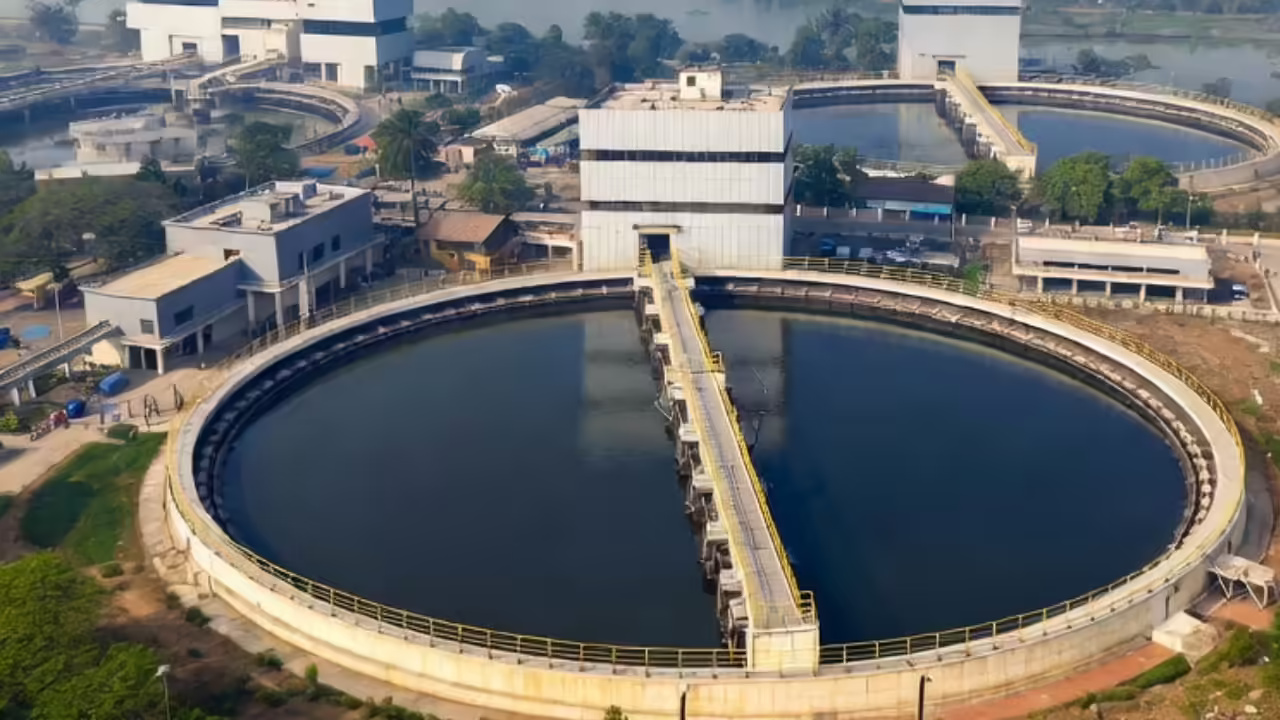
Hyderabad Water Testing Upgrade Speeds Safety Monitoring
Hyderabad’s drinking water monitoring system is undergoing a significant technological upgrade with the introduction of rapid microbial testing capable of detecting dangerous contaminants such as E. coli within 24 hours, a development that authorities say could strengthen public health surveillance and improve response times across the city’s expanding water network. The faster testing process replaces older laboratory methods that often required up to three days for confirmation.
The new system is being implemented by the Hyderabad Metropolitan Water Supply and Sewerage Board as part of broader efforts to improve urban water quality oversight amid rising concerns around contamination risks in densely populated metropolitan regions. Officials said the rapid testing framework will help identify bacterial contamination earlier, allowing quicker corrective measures in affected supply zones. For Hyderabad, the initiative arrives at a critical moment as climate stress, population growth and infrastructure expansion place increasing pressure on urban water systems. Public health researchers warn that ageing pipelines, leakages, sewage intrusion and intermittent supply conditions can heighten the risk of microbial contamination in rapidly urbanising cities.Ecoli and total coliform bacteria are widely recognised indicators of faecal contamination in drinking water and are associated with gastrointestinal infections, diarrhoeal diseases and other serious public health risks. Health experts say faster detection mechanisms are becoming increasingly important as Indian cities confront recurring outbreaks linked to unsafe water and inadequate sanitation systems. Urban infrastructure specialists note that Hyderabad’s expanding metropolitan footprint has intensified the complexity of water distribution management. New residential layouts, peri-urban growth corridors and increasing demand from commercial districts have placed additional strain on supply networks originally designed for smaller populations.
The rapid testing programme is expected to support more decentralised and frequent monitoring across the city’s water infrastructure. Officials indicated that the upgraded approach will improve laboratory efficiency and reduce delays in identifying contamination hotspots during summer and monsoon periods when water quality risks often increase. Environmental researchers say the move also reflects a broader shift towards data-driven urban utility management, where faster diagnostics and real-time monitoring are becoming essential tools for improving civic resilience. Similar rapid microbial testing systems are increasingly being adopted globally to strengthen public water safety and reduce the risk of delayed intervention during contamination events. However, urban planners caution that technological upgrades alone cannot resolve deeper structural challenges affecting Hyderabad’s water ecosystem. Large sections of the metropolitan region continue to face pressure from lake pollution, groundwater depletion and informal sewage discharge, all of which increase long-term contamination vulnerability. Public health experts additionally argue that sustained investment in pipeline maintenance, wastewater treatment and decentralised sanitation infrastructure will remain essential for ensuring safe drinking water access across both formal and informal settlements. Faster laboratory testing, they say, is most effective when integrated into a broader framework of preventive urban infrastructure planning.
As Hyderabad continues expanding into one of India’s largest metropolitan economies, the city’s ability to maintain reliable and safe water systems is likely to become increasingly central to public health, climate resilience and long-term urban liveability. Analysts believe the introduction of rapid microbial surveillance may represent an important step towards building more responsive and citizen-focused urban utility systems in a period of rising environmental uncertainty.