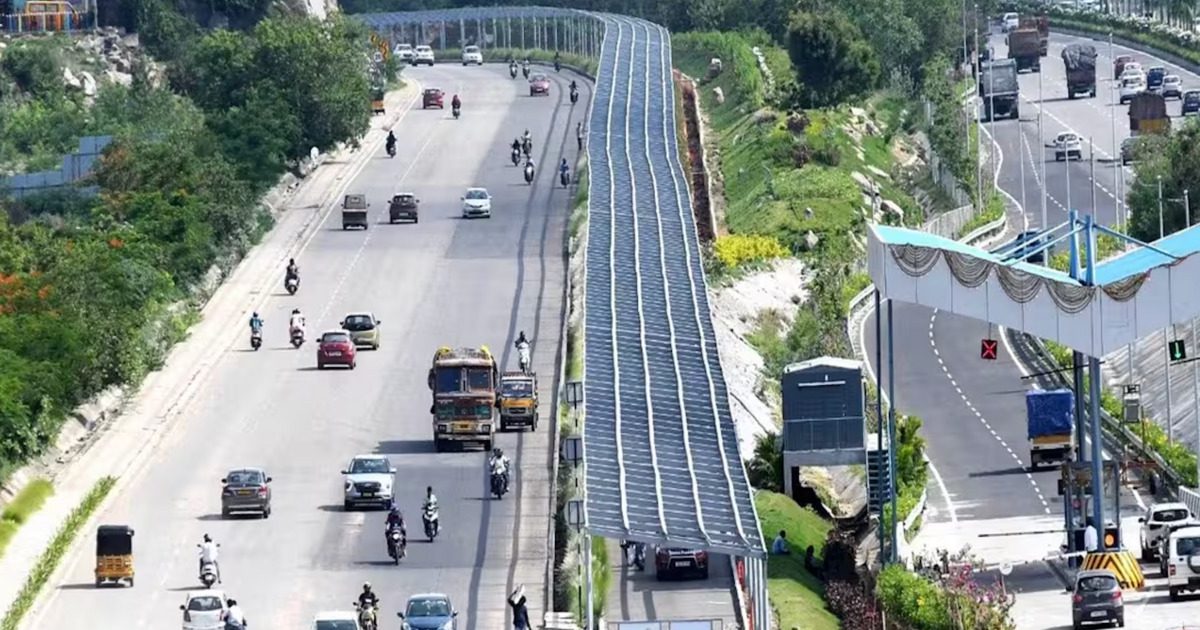
Heavy machinery has descended on Hala Naka, one of the city’s busiest intersections, under the supervision of the Hyderabad Development Authority. Excavators are digging. Steel frameworks are rising. A large workforce is on site. Yet officials have offered no clear answer on what exactly is being built. The project, currently in its early structural phase, involves extensive earthworks and reinforced steel installation. A senior official suggested it is likely related to road or bridge construction aimed at improving urban connectivity and traffic flow. But the word “likely” is doing considerable work in that sentence.
For residents and daily commuters passing through Hala Naka, the lack of public disclosure is not just an inconvenience — it is a symptom of how infrastructure planning in Pakistani cities often operates behind hoardings rather than through citizen engagement. No project board. No completion timeline. No alternative traffic plan during construction. Just machinery and dust. Urban planners have long argued that transparency in public works is not a bureaucratic nicety — it is essential for accountability and trust. When citizens do not know what is being built, they cannot assess whether public funds are being spent wisely, whether environmental impacts have been considered, or whether the project will actually serve their needs. A bridge or flyover at Hala Naka might ease congestion temporarily, but without integrated public transport and pedestrian infrastructure, it could simply induce more private vehicle trips.
The Hala Naka location itself is significant. The intersection connects multiple residential and commercial corridors. Any structural change here will reshape traffic patterns across a substantial portion of the city. Yet there has been no public consultation — at least none that has been announced or documented. This project is being framed as part of broader infrastructure upgrades under the development authority’s long-term urban planning mandate. But long-term planning requires long-term thinking about climate resilience, non-motorised transport, and equitable access — not just concrete and steel.
What needs attention next is simple: disclosure. Citizens have a right to know what is being built at their intersection, at what cost, and with what safeguards. Until then, the heavy machinery at Hala Naka will remain a symbol of opaque governance — not sustainable development.
HDA Starts Major Work At Hyderabad Junction