Gujarat Clean Power Surge Reshapes Its Climate Outlook
Gujarat recorded 67,655 million units of renewable electricity generation in 2025-26, alongside an estimated 49.79 million-tonne reduction in carbon emissions, according to figures released by the state government. The numbers underline the scale of the state’s clean-energy expansion, but also raise a wider urban question: how effectively can new renewable capacity translate into reliable, affordable and climate-resilient infrastructure for citizens?
The latest figures mark a sharp expansion in Gujarat’s renewable electricity output. Central government data show that the state generated 54,974 million units from non-conventional sources between April 2025 and February 2026, including 31,405 million units from wind and 23,245 million units from solar. Gujarat also had 16,086 MW of installed wind capacity as of June 2026, the highest among Indian states.The state government estimates that renewable-energy growth helped prevent about 179 million tonnes of carbon emissions over the past five years. In FY2025-26 alone, the estimated reduction was close to 50 million tonnes. These figures are significant for a state with substantial industrial, commercial and urban energy demand, where electricity consumption is closely linked to manufacturing, transport, buildings and expanding urban infrastructure.For cities, however, adding generation capacity is only one part of the transition. Renewable power must be connected to a grid capable of handling variable solar and wind output, while transmission infrastructure needs to keep pace with new generation zones.
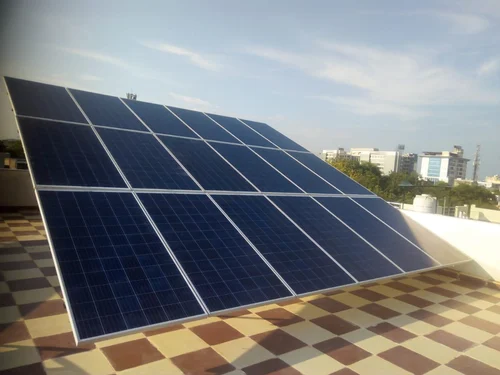
Urban planners and energy experts also point to the importance of rooftop solar, efficient buildings and local energy systems so that the benefits of cleaner electricity are not concentrated only around large projects.Household and agricultural programmes are already widening the footprint of distributed renewable energy. Rooftop solar can reduce electricity costs for households that can afford installation, while solar-powered irrigation can reduce farmers’ dependence on conventional electricity. The challenge is ensuring that financing, access and grid connections do not leave lower-income households and smaller consumers behind.Gujarat is now working towards 100 GW of renewable-energy capacity by 2030. Reaching that scale will require more than generation projects. Land use, transmission corridors, storage, water requirements, ecological impacts and community participation will become increasingly important as clean-energy infrastructure expands.
The next phase of Gujarat renewable energy development will therefore be measured not only in gigawatts or units generated, but also in how reliably the system serves growing cities, businesses, farms and households while reducing pressure on the climate and natural environment.