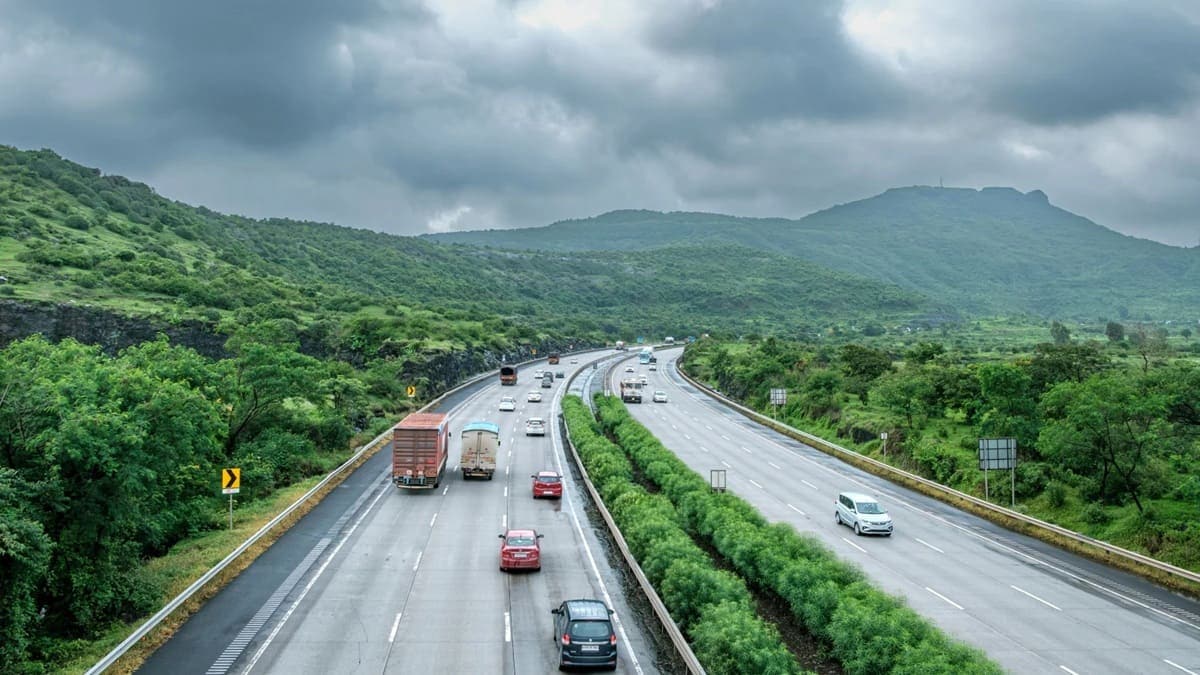
Gujarat is sharpening its infrastructure pitch to international investors as the state prepares for the Vibrant Gujarat Global Summit 2027, with road, rail, airport and industrial connectivity emerging as important foundations for its next phase of economic expansion. The shift matters beyond investment: the quality and reach of this infrastructure will influence how efficiently people, goods and businesses move across emerging growth regions.
The state’s infrastructure strategy is increasingly centred on connecting industrial districts with major urban and logistics networks. The Ahmedabad–Dholera corridor illustrates this approach. A 109-km greenfield expressway has strengthened road access towards the Dholera Special Investment Region, while a proposed 134-km semi-high-speed rail link between Sarkhej and Dholera is intended to improve passenger and industrial connectivity. The rail project, approved at an estimated ₹20,667 crore, is scheduled for completion by 2030-31.Dholera is also becoming a test case for how infrastructure can shape new economic geography. Government planning for the region includes integrated systems for roads, water, power, wastewater, drainage and urban services. The planned Dholera International Airport adds another layer of regional connectivity, although its eventual economic value will depend on timely execution and the emergence of sufficient passenger and freight demand.
The infrastructure push is closely linked to Gujarat’s attempt to attract capital into advanced manufacturing and technology. The state currently highlights connectivity to national highways, ports and airports alongside industrial zones such as Dholera and Sanand. Its semiconductor policy also places emphasis on reliable access to power, water, gas and other industrial utilities basic systems that can determine whether large manufacturing projects operate efficiently.The wider challenge is ensuring that infrastructure-led growth does not remain concentrated around investment districts. Faster expressways and industrial corridors can reduce travel and logistics costs, but their civic value is greater when surrounding towns and communities gain better public transport, employment access, housing, water services and social infrastructure.
That makes Gujarat infrastructure development more than an investment proposition. It is increasingly a question of how the state connects economic opportunity with everyday urban life. As Gujarat prepares for VGGS 2027, attention will likely move from announcing projects to demonstrating whether new infrastructure is delivered on schedule, used efficiently and integrated with resilient, resource-conscious urban development.