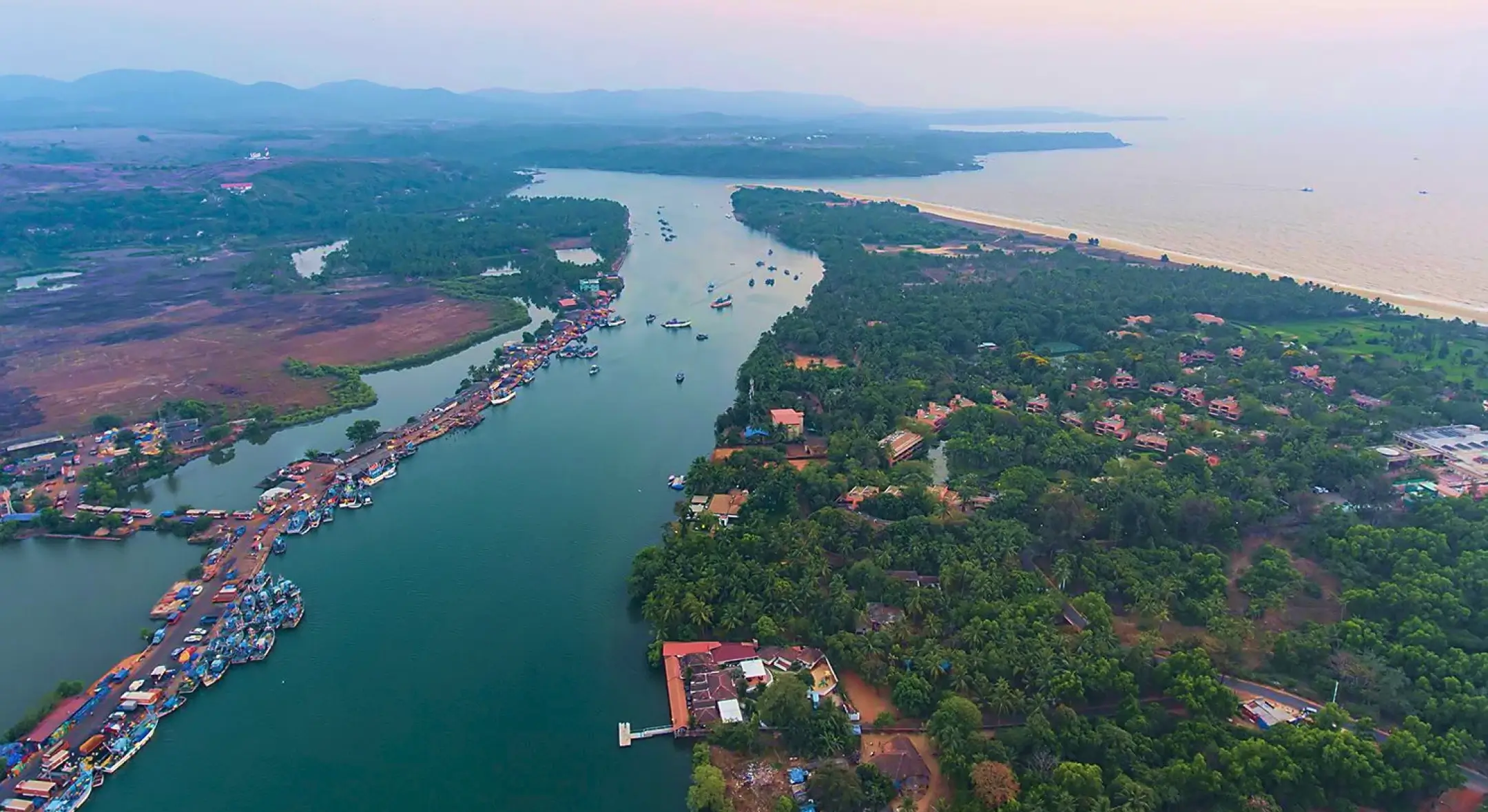
A drone has done what years of complaints could not. Flying over a four-kilometre stretch of the River Sal, the aerial survey has laid bare the anatomy of a waterbody in cardiac arrest. The findings are devastating: 28 discharge points pumping pollutants directly into the river, 11 sewerage outlets releasing untreated sewage, 32 active solid waste dumping spots, and 235 metres of crumbling, unstable banks.
The river, long called the lifeline of Salcete, is effectively being poisoned from all sides. A local representative who commissioned the survey described the evidence as scientific and irrefutable. The drone mapping identified 38 high-risk garbage accumulation zones — places where waste has settled permanently, leaching toxins into the water column and sediment. For fishing communities who depend on the Sal, the report confirms what they have known for years: catches are declining, and what remains often carries an odour of sewage. A marine ecologist not associated with the survey noted that untreated organic waste depletes dissolved oxygen, creating dead zones where fish cannot survive. The 11 sewerage outlets alone are discharging enough biological load to turn large stretches of the river anoxic during summer months.
The broken riverbanks — 235 metres of unstable shoreline — are a double threat. Erosion sends more sediment and attached pollutants into the water, while also undermining the natural filtration that healthy vegetated banks provide. In a climate-resilient city, riverbanks would be protected and restored. In Goa, they are collapsing under the weight of neglect. What makes the Sal’s condition particularly alarming is that the drone covered only four kilometres. The river is much longer. If this stretch — presumably chosen for its visible degradation — contains 28 discharge points, the total pollution load across the full system could be multiples higher.
Officials from the state pollution control board and public works department have been called upon to act: identify offenders, levy penalties, and implement permanent solutions. But permanent solutions require sewage treatment plants that actually treat, waste collection that actually collects, and zoning that prevents construction right up to the water’s edge. The drone gave Goa a gift: data. What happens next will determine whether the Sal is restored or becomes a case study in how to kill a river with indifference.
Goa Drone Survey Reveals River Sal Pollution