


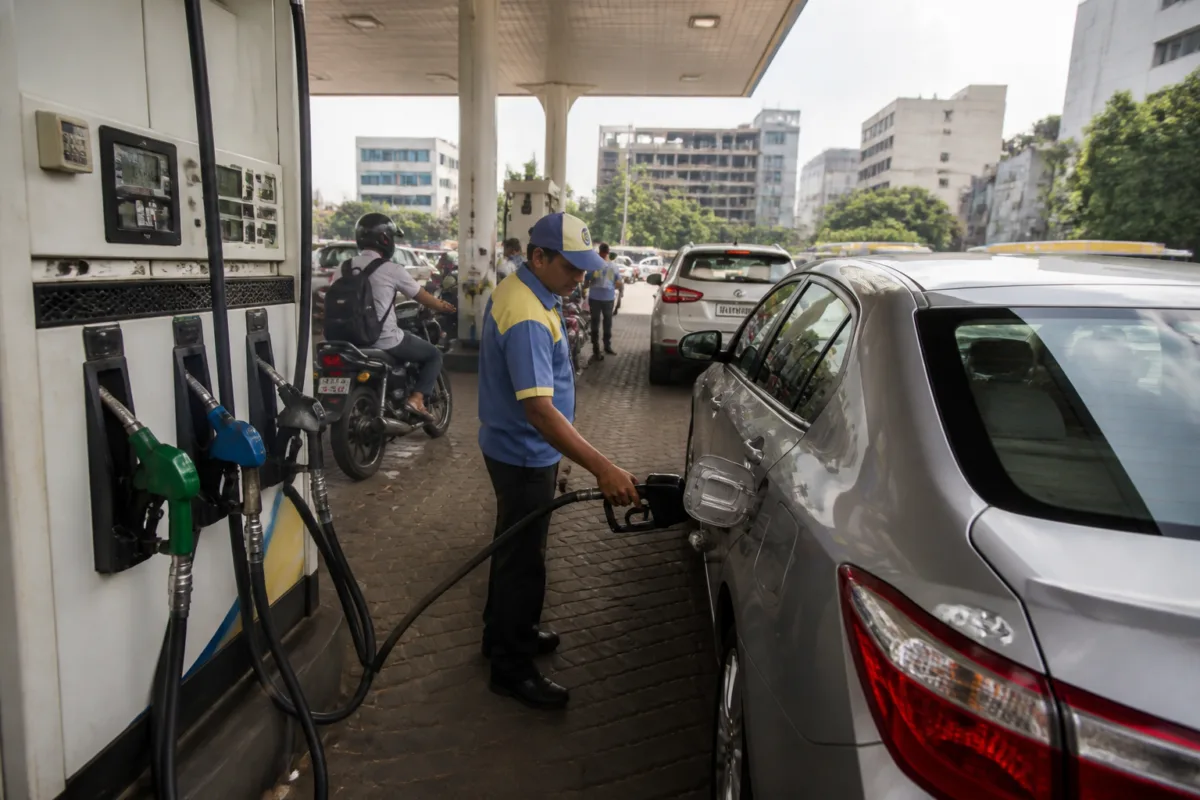
Karnataka Chief Minister DK Shivakumar has asked the Centre to publicly disclose the actual ethanol content in petrol supplied across India and take action against oil companies found exceeding the prescribed 20 per cent limit. The demand followed state inspections and claims that some petrol samples contained ethanol levels as high as 31.2 per cent.
Food, Civil Supplies, Consumer Affairs and Legal Metrology Minister Rizwan Arshad raised the issue at a press conference, according to the report. Shivakumar subsequently said the Karnataka government would continue inspections and work to protect consumers’ right to quality fuel at petrol stations.
In a post on X, the chief minister said the Department of Legal Metrology had conducted extensive inspections across Karnataka under Mission Nikhara. He said independent laboratory tests had found “alarming levels of ethanol blending” in petrol samples from major oil companies, with some samples recording 31.2 per cent, above the prescribed E20 limit.
The reported findings have raised concerns about the information available to motorists at the point of purchase. Shivakumar said consumers should be told the actual ethanol content in petrol and called for petrol pump-level audit reports to be made public. He also asked the Union government to make disclosure of blending levels mandatory at every petrol station.
Ethanol blending is part of India’s fuel and energy policy, but the chief minister said alleged violations of the E20 limit could impose costs on ordinary vehicle owners. He cited reduced mileage, possible vehicle damage and higher maintenance expenses as concerns requiring attention. He said consumers should not bear those costs while oil companies continued to report substantial profits.
Shivakumar also sought strict legal action against oil companies found exceeding prescribed blending limits. In addition, he proposed an E20 Damage Compensation Fund with a simple, time-bound process for compensating affected vehicle owners. The proposal would require action by the Union government and a framework defining eligibility, liability and the evidence needed for claims.
The chief minister further urged the Centre to ensure that motorists have a choice of fuel suitable for their vehicles. The reported laboratory findings, the specific petrol samples tested and the proposed compensation mechanism were not detailed in the supplied report. The state government’s inspections and the Centre’s response will determine the next steps on disclosure, enforcement and consumer compensation.

