


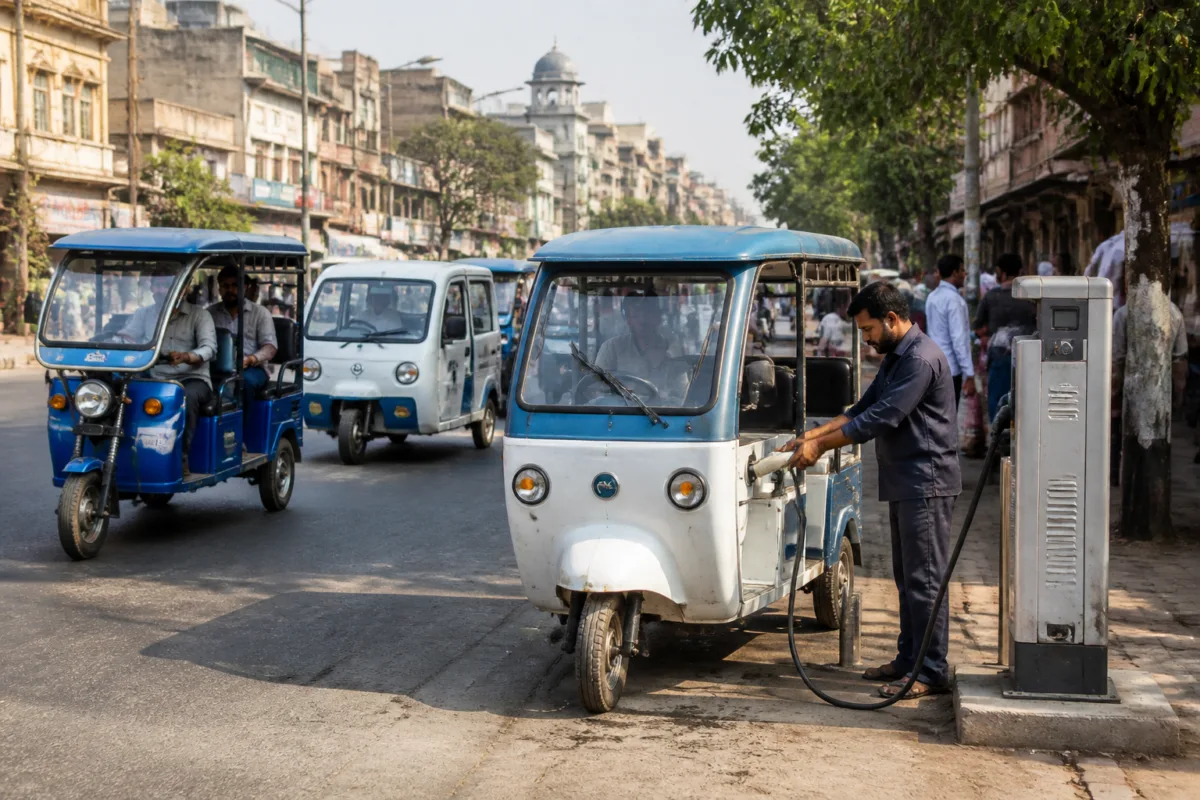
Mahindra Last Mile Mobility Limited has won the 2026 Earthshot Prize in the ‘Clean Our Air’ category for promoting electric last-mile transportation in India, bringing a £1 million grant to efforts involving women drivers, affordable financing and charging infrastructure in underserved areas.
The Mahindra Group company said it had sold more than 400,000 electric commercial vehicles in India. According to figures cited in the report, those vehicles have travelled more than 9 billion kilometres collectively and helped avoid approximately 185,000 metric tonnes of carbon dioxide emissions.
The award, instituted by Prince William, recognises five winners each year across environmental categories. Each winner receives £1 million to scale its solution. For Mahindra Last Mile Mobility, the recognition comes as electric three-wheelers and other commercial vehicles become increasingly important to the way goods, passengers and services move through cities and smaller urban centres.
The company plans to use the prize money to train women drivers, facilitate access to affordable financing and expand charging infrastructure in underserved areas. It also plans to work with other Earthshot Prize finalists to extend electric rickshaw adoption to more communities.
The proposed use of the grant places access and operating conditions alongside vehicle sales. For urban electric mobility, the availability of financing, trained drivers and reliable charging can determine whether electric commercial vehicles become viable livelihood assets rather than remaining limited to better-served markets. The company did not disclose a project-wise allocation of the grant in the information available.
Rajesh Jejurikar, chairman of Mahindra Last Mile Mobility and executive director and chief executive officer of Mahindra & Mahindra’s Auto and Farm Sector, said last-mile mobility could deliver environmental and social impact at scale. He added that the company’s electric vehicles support livelihoods and micro-entrepreneurship.
The figures provided by the company combine vehicle deployment, cumulative distance travelled and estimated emissions avoided. They indicate the scale at which commercial vehicles can affect urban air quality, but the material available does not provide a city-wise breakdown, methodology for calculating avoided emissions or details of the charging infrastructure currently operating in underserved areas.
The next stage will depend on how the prize money is deployed. The company has identified driver training, affordable finance, charging expansion and collaboration with other finalists as its intended areas of work, with further implementation details yet to be disclosed.

