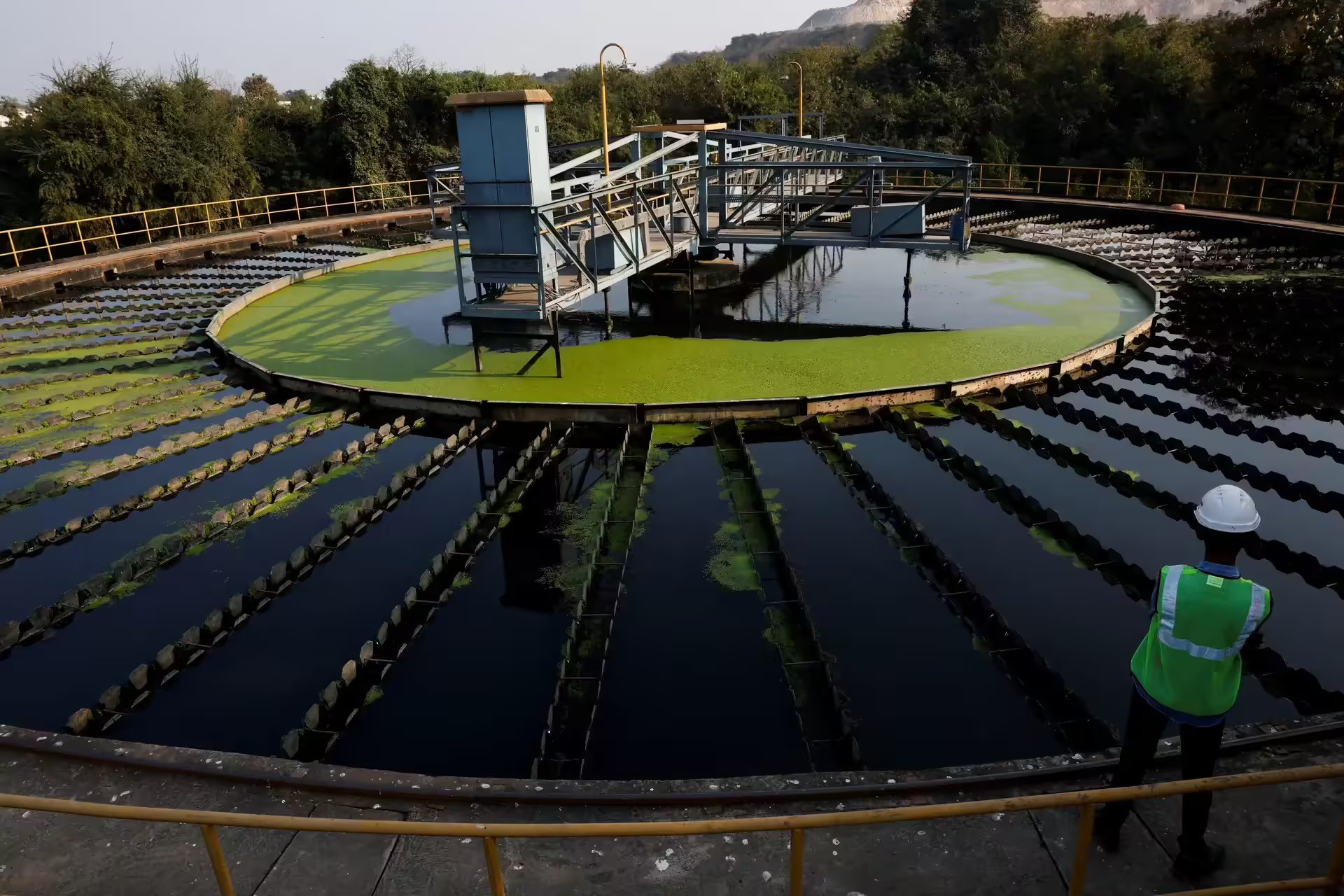
A central audit has flagged significant performance gaps in Delhi’s long-running effort to curb pollution in the Yamuna, raising concerns about the effectiveness of one of the capital’s most expensive river-cleaning initiatives. Despite substantial public investment over nearly two decades, the Delhi Yamuna sewage project appears to have delivered only partial results in intercepting untreated waste. The interceptor-based system was designed to capture sewage flowing through key drains and divert it towards treatment facilities before it reached the river. However, recent inspections indicate that the volume of sewage actually being diverted is considerably lower than earlier estimates submitted by implementing agencies. Officials familiar with the findings suggest that a sizeable quantity of untreated discharge continues to enter the Yamuna, undermining the project’s primary objective.
Data from the inspection points to a mismatch between reported and actual performance. While authorities had projected a higher level of sewage interception, the verified figures indicate that only a portion of that capacity is functioning effectively. Several interception points were found either non-operational or unable to handle the volume of waste, leading to continued overflow into the river system. The Delhi Yamuna sewage project also appears to suffer from infrastructure and monitoring deficiencies. Limited installation of flow-measuring devices, combined with non-functional equipment in several locations, has weakened the reliability of performance tracking. In addition, incomplete or damaged infrastructure at some sites has restricted access for inspection, highlighting gaps in both maintenance and oversight. Urban water management experts note that such shortcomings are not uncommon in large-scale sewerage projects, particularly in rapidly expanding cities. Delhi’s population growth and the proliferation of informal settlements have increased sewage generation beyond earlier projections, placing additional pressure on ageing systems. Without parallel expansion and modernisation of treatment plants and sewer networks, interception efforts alone may not yield the intended environmental outcomes.
The project’s timeline has also been stretched well beyond initial expectations, reflecting planning and execution challenges. Originally conceived to address pollution in major drains feeding the Yamuna, the initiative now faces a more complex urban reality where wastewater flows are higher and more dispersed. This has raised questions about whether legacy infrastructure solutions are sufficient for current and future needs. Beyond technical concerns, the findings underscore broader governance issues in urban environmental management. Reliable data, consistent monitoring and transparent reporting are critical to assessing progress in pollution control projects. Without these, it becomes difficult to evaluate public spending or design corrective interventions. For residents, the continued inflow of untreated sewage translates into persistent water quality concerns, affecting public health and limiting the river’s ecological recovery. The Yamuna remains central to Delhi’s environmental resilience, making its restoration a priority not only for pollution control but also for climate adaptation and urban liveability.
As authorities review the audit findings, attention is likely to shift towards strengthening treatment capacity, upgrading monitoring systems and aligning infrastructure investments with evolving urban demands. The future of the Delhi Yamuna sewage project will depend on whether these corrective measures can bridge the gap between planning ambition and on-ground execution.