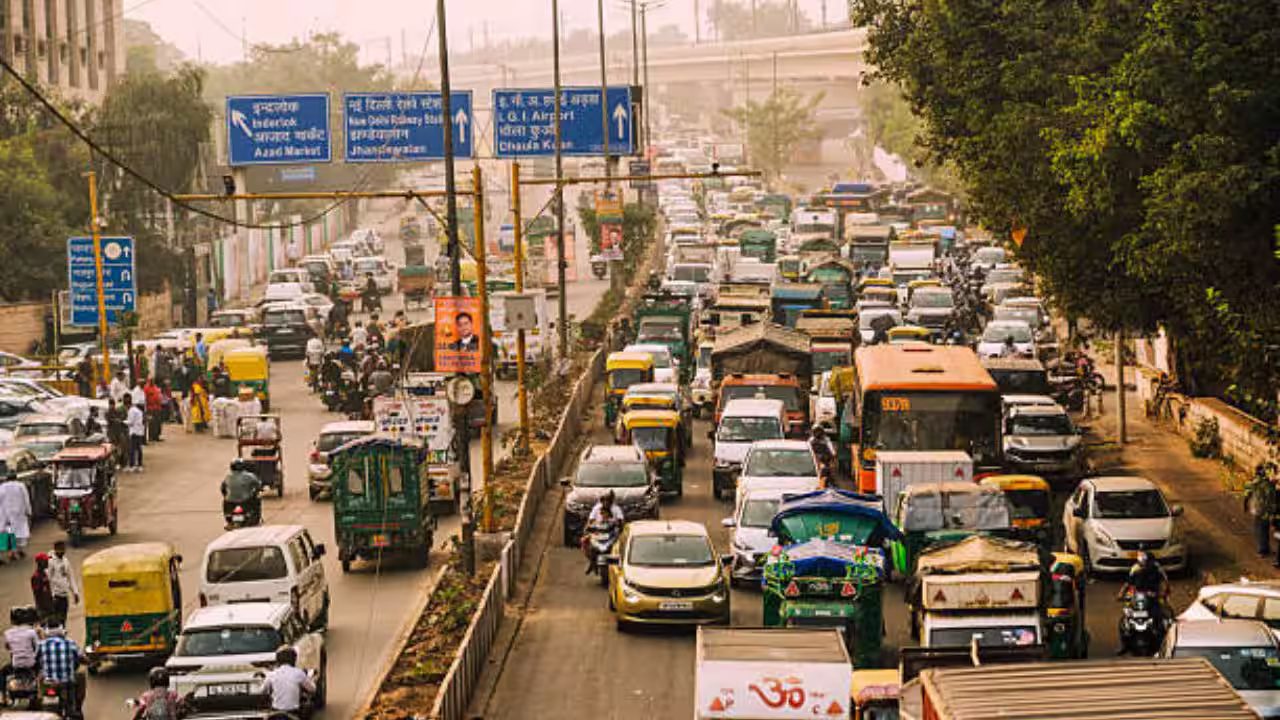
Delhi is preparing to examine grade-separated infrastructure at several railway crossings as part of a wider strategy to reduce chronic traffic congestion and improve intra-city mobility. The proposed rail crossing decongestion initiative includes feasibility studies for underpasses and flyovers at key bottlenecks, where frequent gate closures disrupt traffic flow and extend commute times. Officials indicate that multiple crossings, particularly in northwest districts, experience sustained vehicle pressure due to dense residential and commercial development on either side of railway lines. In the absence of seamless connectivity, commuters are often forced into lengthy detours, adding to fuel consumption and urban emissions. The rail crossing decongestion effort is expected to assess whether tunnels or elevated corridors can provide uninterrupted movement across these divides.
Preliminary focus areas include stretches around Punjabi Bagh and Peeragarhi, where railway lines create a physical barrier between adjoining neighbourhoods. Authorities are evaluating engineering options to determine whether sub-surface tunnels or overbridges would be more viable, taking into account factors such as land availability, existing structures, and traffic volume. Urban infrastructure experts say such interventions are increasingly necessary in cities where legacy rail networks intersect with expanding road systems. However, they caution that large-scale construction in dense urban zones presents complex challenges, including land acquisition constraints, utility relocation, and potential environmental impact. Detailed surveys are therefore expected to map buildings, encroachments, tree cover, and parking patterns before any design is finalised. The initiative also extends beyond railway crossings. Transport planners are studying additional flyovers in areas such as Bawana, Mehrauli-Mahipalpur corridor, and Aruna Asaf Ali Road—locations identified for high congestion levels.
These proposals are part of a broader push to streamline vehicular movement across arterial routes, though experts emphasise that flyovers alone cannot resolve systemic traffic issues. Mobility analysts argue that while grade-separated infrastructure can ease immediate bottlenecks, it must be integrated with public transport expansion and non-motorised mobility planning. Without such integration, there is a risk of inducing additional traffic demand over time, potentially offsetting initial gains. Sustainable urban transport strategies, they note, should prioritise multimodal connectivity rather than relying solely on road capacity expansion. For residents, improved connectivity across railway lines could significantly reduce travel time and enhance access to jobs, education, and services. At the same time, construction activity may temporarily disrupt local communities, making stakeholder engagement and phased execution critical.
The proposed studies mark an early stage in what could become a significant infrastructure rollout. Their findings will determine whether these projects proceed to detailed planning and approval phases. As Delhi continues to grapple with congestion and environmental pressures, the success of the rail crossing decongestion plan will depend on how effectively it balances mobility needs with sustainable urban development principles.