Delhi Sanitation And Encroachment Drive Gets Deadline
New Delhi is moving towards stricter, time-bound execution of civic services after a high-level review of municipal works flagged persistent gaps in sanitation, encroachment control, and service delivery. The directive signals a shift from routine administration to deadline-driven governance in a city grappling with rapid urban pressures and rising citizen expectations.
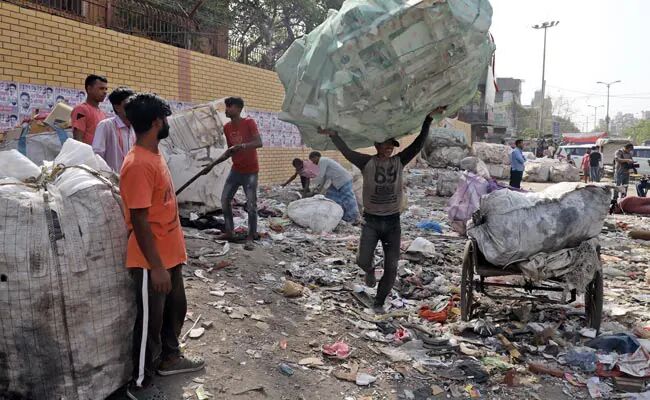
During the review of the Municipal Corporation of Delhi (MCD), officials were instructed to accelerate waste clearance, expand mechanised road sweeping, and prioritise the removal of encroachments from markets and footpaths. The emphasis on timelines reflects growing concern over delays in basic services that directly affect mobility, hygiene, and everyday urban life. The Delhi civic infrastructure push also extends to improving compliance with solid waste management norms, including better placement and maintenance of public dustbins and scaling up zero-waste initiatives across neighbourhoods. Urban experts note that while policies exist, their effectiveness has often been undermined by inconsistent enforcement and fragmented accountability. Encroachments remain a critical issue in dense commercial areas, where informal and formal expansions frequently reduce pedestrian space and increase congestion. Authorities have called for stricter enforcement and penalties to prevent re-occupation after clearance drives, indicating a more sustained approach to reclaiming public land. Planners argue that without continuous monitoring and urban design interventions, such efforts risk becoming cyclical rather than structural.
The review also highlighted gaps in supporting infrastructure such as parking, road maintenance, and street lighting—elements that are often overlooked but essential for safe and efficient urban mobility. Addressing these issues is particularly important as Delhi’s economic activity intensifies and public spaces face mounting pressure. Beyond sanitation and enforcement, the Delhi civic infrastructure push is tied to broader governance reforms. Officials have been directed to improve grievance redressal systems and respond more effectively to citizen feedback, signalling a move towards more responsive urban management. This aligns with a wider trend in Indian cities where administrative performance is increasingly being measured through service outcomes rather than project announcements. From a sustainability lens, strengthening sanitation systems and reclaiming public spaces are foundational to building climate-resilient cities. Poor waste management contributes to air and water pollution, while encroachments can obstruct drainage networks, exacerbating urban flooding risks. Experts emphasise that integrating these concerns into everyday governance is critical for long-term resilience.
However, translating directives into on-ground change remains a challenge. Delhi’s municipal system operates across multiple agencies, often leading to coordination gaps. Ensuring that timelines are met will require clear accountability mechanisms, regular monitoring, and alignment between departments. As the Delhi civic infrastructure push unfolds, its success will depend on whether enforcement becomes consistent and citizen-centric. For a city navigating rapid growth and environmental stress, the focus is shifting towards delivering reliable, everyday urban services—an essential step in improving both liveability and trust in public institutions.