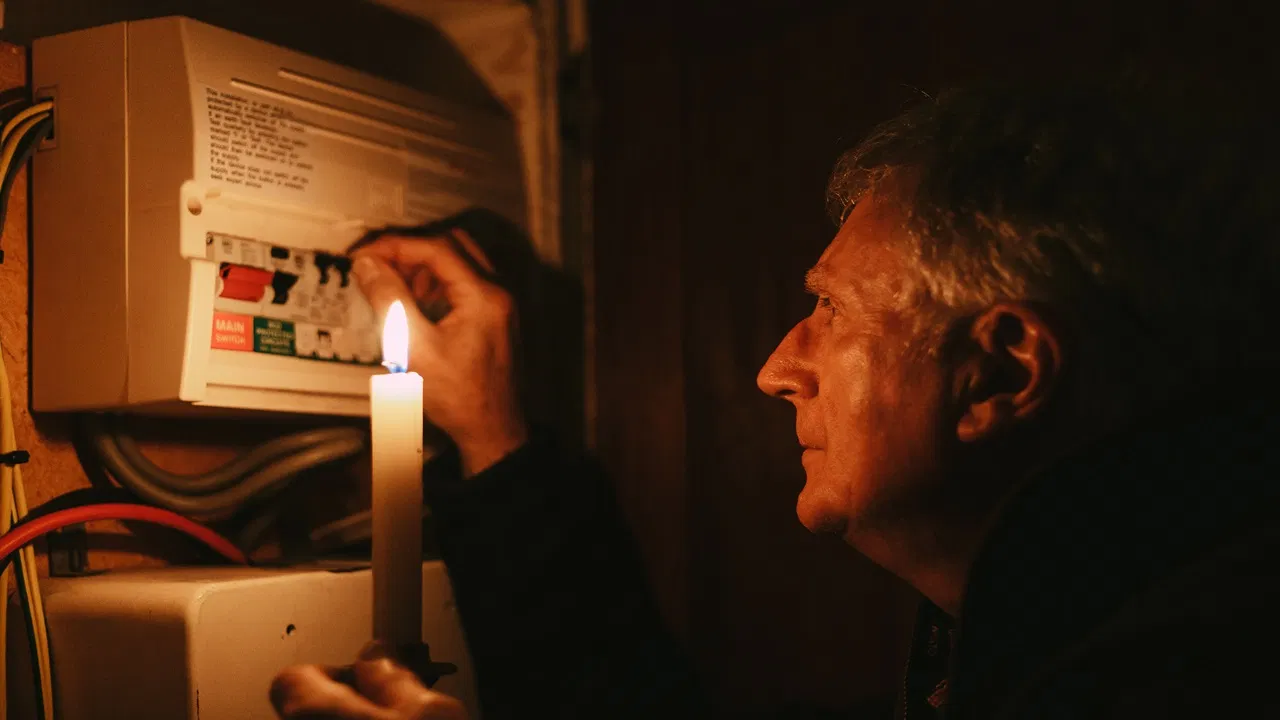
Delhi Power Supply Faces Maintenance Disruptions Today
Delhi residents are facing a mixed picture on electricity supply on August 16, with public outage information showing no citywide shutdown while individual distribution networks may still undertake maintenance-related interruptions. The distinction matters because Delhi’s electricity network is divided among multiple distribution companies, making localised disruptions possible even when no broad citywide outage is announced.
The latest publicly available outage information indicates that residents should not treat a “no scheduled power cut” message as a guarantee of uninterrupted supply. Emergency faults, equipment failures and local maintenance can still affect individual neighbourhoods. For households, offices, shops and essential services, even short interruptions can disrupt water pumping, lifts, cooling systems, digital payments and work-from-home activity. Delhi’s power network is operated across different service territories, including areas covered by Tata Power Delhi Distribution Ltd (TPDDL), BSES Rajdhani Power Ltd (BRPL) and BSES Yamuna Power Ltd (BYPL). Official outage systems publish maintenance schedules separately, meaning residents need to check the relevant distributor rather than rely solely on a citywide update. BRPL, for example, maintains a dedicated maintenance outage schedule, while TPDDL publishes scheduled shutdown information for its service areas.
For the urban economy, reliability of electricity is increasingly tied to the performance of buildings and public infrastructure. Power interruptions can affect residential complexes, commercial premises, small businesses and construction activity. In high-density neighbourhoods, electricity also supports water systems, fire-safety equipment, lifts and other essential building services. This is where RERA needs to be distinguished from electricity regulation. Real estate regulation and power distribution are separate regulatory functions, so RERA itself does not determine whether a neighbourhood will face a power shutdown. However, reliable utility infrastructure remains relevant to the functioning and delivery of real estate projects, particularly in rapidly urbanising areas.
The wider issue is therefore less about a single day’s outage and more about the resilience of Delhi’s urban infrastructure. Delhi’s electricity system is undergoing continuing efforts to improve monitoring and grid management, with official planning documents also highlighting the importance of advanced distribution-management systems. For residents, the practical priority remains checking the relevant distributor’s latest notice before planning around a Delhi power cut today. Keeping phones, backup batteries and essential equipment charged can reduce disruption. For planners and developers, dependable electricity, water and emergency systems will remain fundamental to making Delhi’s expanding built environment more resilient.