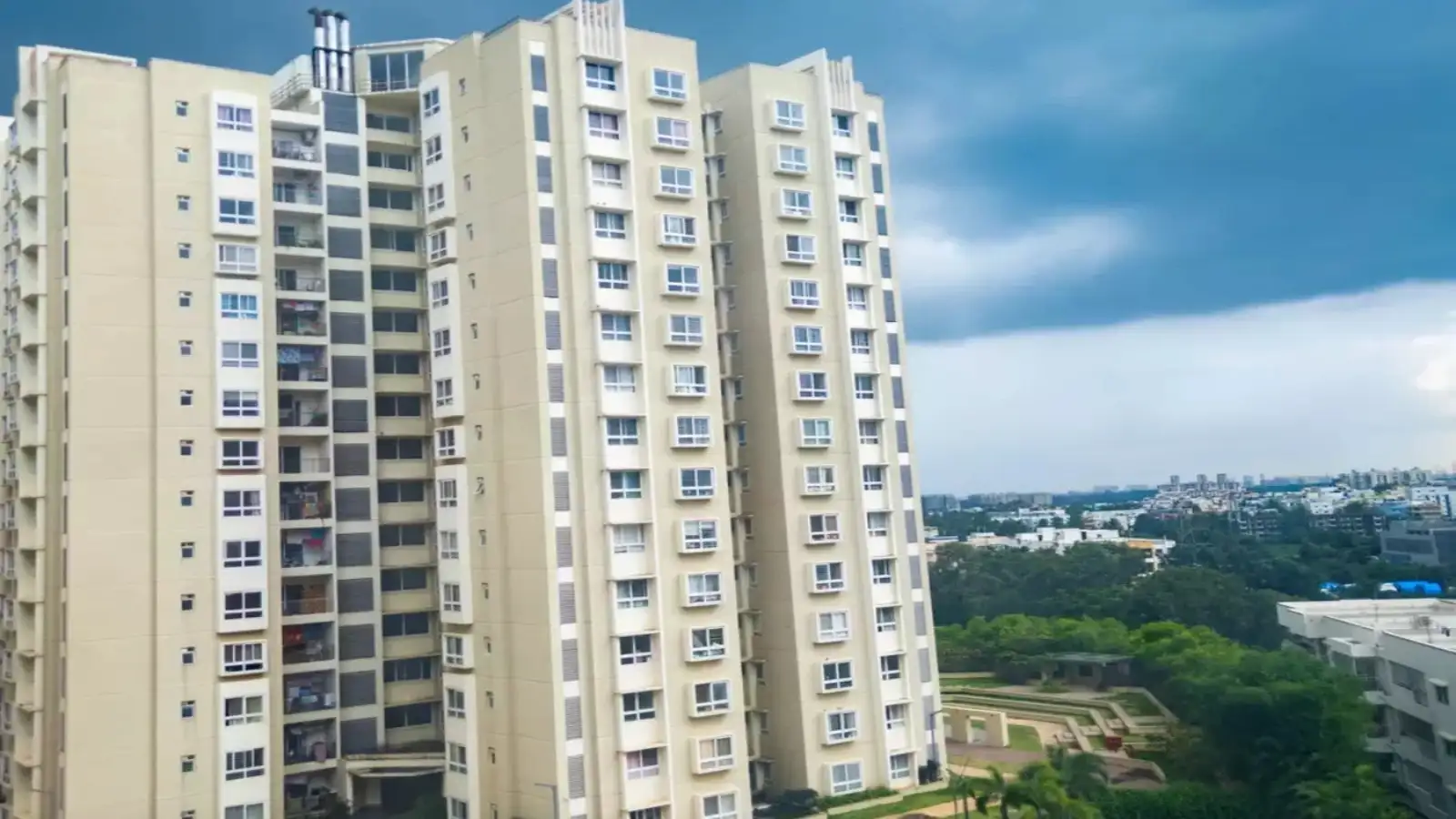
Delhi NCR Lodha Housing Expansion Tests City Capacity
Lodha Developers is preparing a sizeable residential expansion across the Mumbai Metropolitan Region, Delhi-NCR, Pune and Bengaluru, with a pipeline of projects planned through March 2027. The scale matters beyond property sales: new housing supply will add pressure on roads, water, drainage, public transport and other urban systems, making project approvals, RERA compliance and infrastructure capacity increasingly important.
The company’s latest plans indicate seven housing projects covering about 5.9 million sq ft are scheduled across the remaining three quarters of FY27, with an estimated revenue potential of Rs 9,850 crore. This follows one project launched in the first quarter in MMR, covering about 4 lakh sq ft and carrying an estimated revenue potential of Rs 330 crore. Across the full financial year, the company has outlined a much larger residential pipeline of roughly 15 million sq ft, valued at about Rs 21,800 crore. It is also targeting Rs 24,000 crore in housing pre-sales during FY27, compared with Rs 20,530 crore recorded in FY26. For cities, however, the significance of the Lodha housing launches extends beyond the amount of floor space entering the market. Large residential developments can alter travel patterns, increase peak-hour traffic and raise demand for municipal services.
Urban planners increasingly argue that housing approvals need to be considered alongside transport links, water availability, sewage capacity, stormwater management and access to schools and healthcare. The regulatory dimension is equally important. Under Section 3 of the Real Estate (Regulation and Development) Act, projects generally have to be registered with the relevant RERA authority before they can be advertised, marketed, booked or sold, subject to statutory exemptions. Each phase of a larger project is treated as a separate project for registration purposes. That makes RERA registration an important checkpoint as the Lodha housing launches move towards the market. Buyers can use project registration details to examine declared timelines, approvals and other mandated information, while authorities can monitor delivery against sanctioned plans.
The expansion also reflects a broader shift in India’s housing market, where larger developers are gaining share as buyers place greater emphasis on execution and financial strength. Lodha reported FY26 sales bookings of Rs 20,530 crore, up 16% from the previous year. Its existing development pipeline also gives it significant room for further expansion. The next test will therefore be whether new housing supply is matched by timely infrastructure and regulatory oversight. For residents, the value of these projects will depend not only on homes delivered, but on whether the surrounding urban systems can support them efficiently and sustainably.