


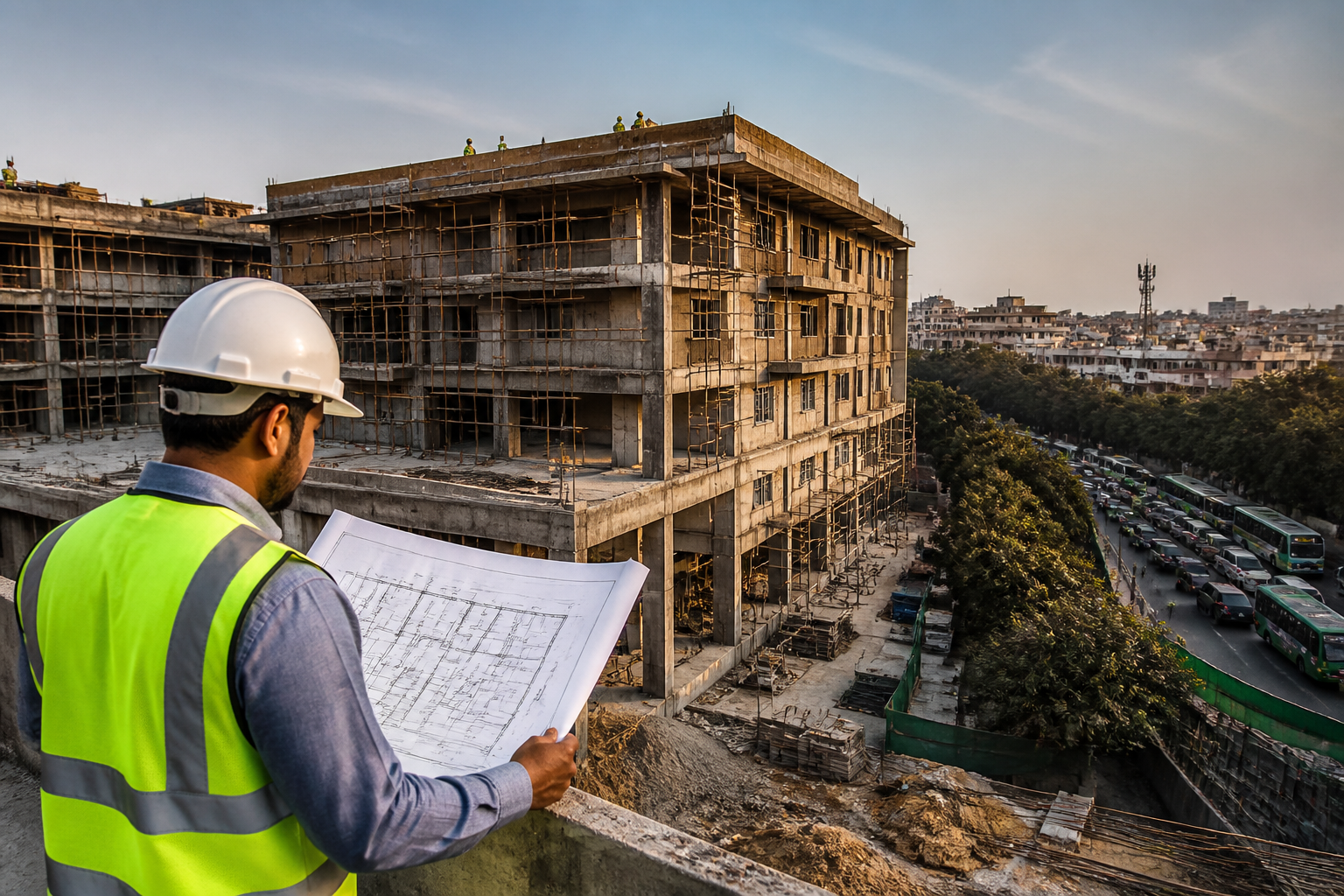
The Delhi government has approved ₹151.81 crore for a new forensic science laboratory in Sheikh Sarai, aiming to reduce investigation delays caused by pressure on the city’s existing facility in Rohini. The Public Works Department has been given a two-year target to complete the project.
The new Delhi forensic science lab will be built on a plot measuring about 6,300 square metres and will have a total built-up area of 18,300 square metres, according to details released after a meeting of the Expenditure Finance Committee chaired by Chief Minister Rekha Gupta.
The project is intended to expand Delhi’s capacity for the scientific examination of evidence in criminal cases. The government said the facility would support the Home Department and Delhi Police in meeting the requirements arising from the new criminal laws and strengthen the scientific infrastructure used for maintaining law and order.
The decision follows reported pressure on the Forensic Science Laboratory in Rohini. The facility receives around 2,000 cases every month and has more than 20,000 forensic reports pending, according to the report. Cybercrime-related cases account for the largest share of the backlog.
The proposed regional laboratory is expected to serve the southern, south-eastern and central districts of Delhi. Its location in Sheikh Sarai is intended to provide a dedicated forensic facility for these areas, although the government has not released a detailed district-wise allocation of cases or an operational plan for the new centre.
Delhi Home Minister Ashish Sood said the new regional facility would make the examination of case-related evidence and the submission of forensic reports faster and more streamlined. He said the laboratory would strengthen evidence-based investigations and help courts dispose of criminal cases in a timely manner.
The project’s stated benefits include reducing the backlog of forensic reports, shortening the time required for investigations, and accelerating the examination of digital evidence in cybercrime cases. The government also said quicker access to forensic analysis could help investigating agencies prepare stronger cases against accused persons.
The backlog at Rohini illustrates the capacity constraints that can emerge when a city relies heavily on a single major forensic facility for a growing and increasingly digital caseload. Cyber investigations often require the examination of electronic devices and other digital evidence, adding specialised demands to conventional forensic work. The source report does not provide a breakdown of the pending cases by forensic discipline or details of the additional technical staff and equipment planned for Sheikh Sarai.
Chief Minister Gupta said the Rohini laboratory was under considerable pressure and that investigations sometimes took longer as a result. The government’s stated objective is to improve the speed of forensic examination through the additional regional facility.
The immediate next step is the construction of the laboratory by the Public Works Department. The government has set a two-year completion target, while further details on tenders, construction milestones, staffing and the date on which the facility will begin accepting cases were not specified in the announcement.
