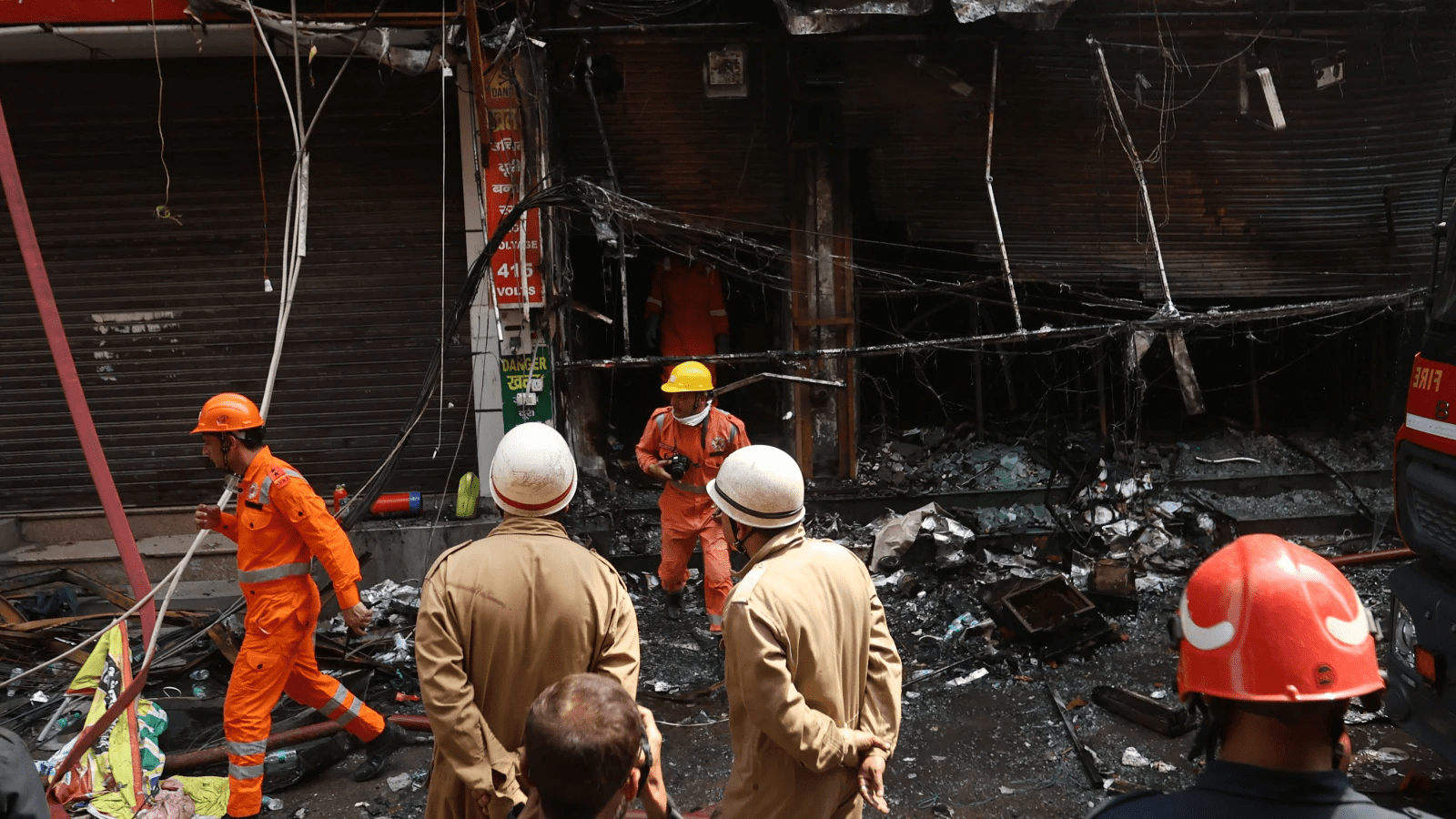
Delhi is preparing a comprehensive update to its fire safety framework as authorities assess the city’s readiness for rising summer risks and growing urban density. The move signals a shift towards strengthening emergency response systems and revising regulatory norms to better reflect the realities of a rapidly expanding built environment. The proposed Delhi fire safety reforms are expected to address gaps in prevention, compliance, and response capacity. With an increasing number of high-rise buildings, mixed-use developments, and densely populated commercial zones, existing rules are being re-evaluated to ensure they remain effective under evolving urban conditions.
Officials involved in the review indicate that stakeholder engagement will be central to shaping the revised framework. Inputs from residents, businesses, and industry bodies are being considered to ensure that updated regulations are practical and enforceable. Urban governance experts suggest that such collaborative approaches can improve compliance, particularly in areas where legacy infrastructure and informal practices have historically limited adherence to safety norms. Strengthening institutional capacity is another key priority under the Delhi fire safety reforms. Plans include upgrading firefighting equipment, enhancing personnel training, and improving coordination between emergency services. In a city where response time can significantly influence the scale of damage, investments in operational efficiency are seen as critical to reducing risk. Seasonal vulnerability is also driving the urgency of these measures. Higher temperatures, combined with ageing electrical systems and congested urban layouts, increase the likelihood of fire incidents during summer months. Authorities are expected to roll out targeted awareness initiatives to educate citizens and businesses on preventive practices, aiming to reduce avoidable emergencies.
For the real estate and construction sectors, the reforms indicate a stronger integration of safety into planning and design processes. Developers may be required to incorporate updated fire protection systems, ensure clear evacuation routes, and provide adequate access for emergency vehicles at the approval stage. This aligns with broader trends where safety and sustainability considerations are becoming central to urban development. From an economic standpoint, clearer and more consistent regulations could help businesses navigate compliance requirements without excessive delays. Small enterprises operating in dense markets often face challenges balancing operational needs with safety standards, and streamlined processes may improve both ease of doing business and risk management. Experts note that while regulatory updates are essential, implementation will determine their effectiveness. Regular inspections, transparent enforcement mechanisms, and continuous adaptation to emerging risks will be necessary to ensure long-term impact. Integrating fire safety into wider urban resilience strategies—alongside climate adaptation and infrastructure planning—could further strengthen outcomes.
As Delhi continues to evolve, the success of the Delhi fire safety reforms will depend on how effectively policy changes translate into on-ground preparedness. Building a safer urban environment will require not only updated rules but also sustained investment in systems, awareness, and inclusive design that protects all sections of the population.