


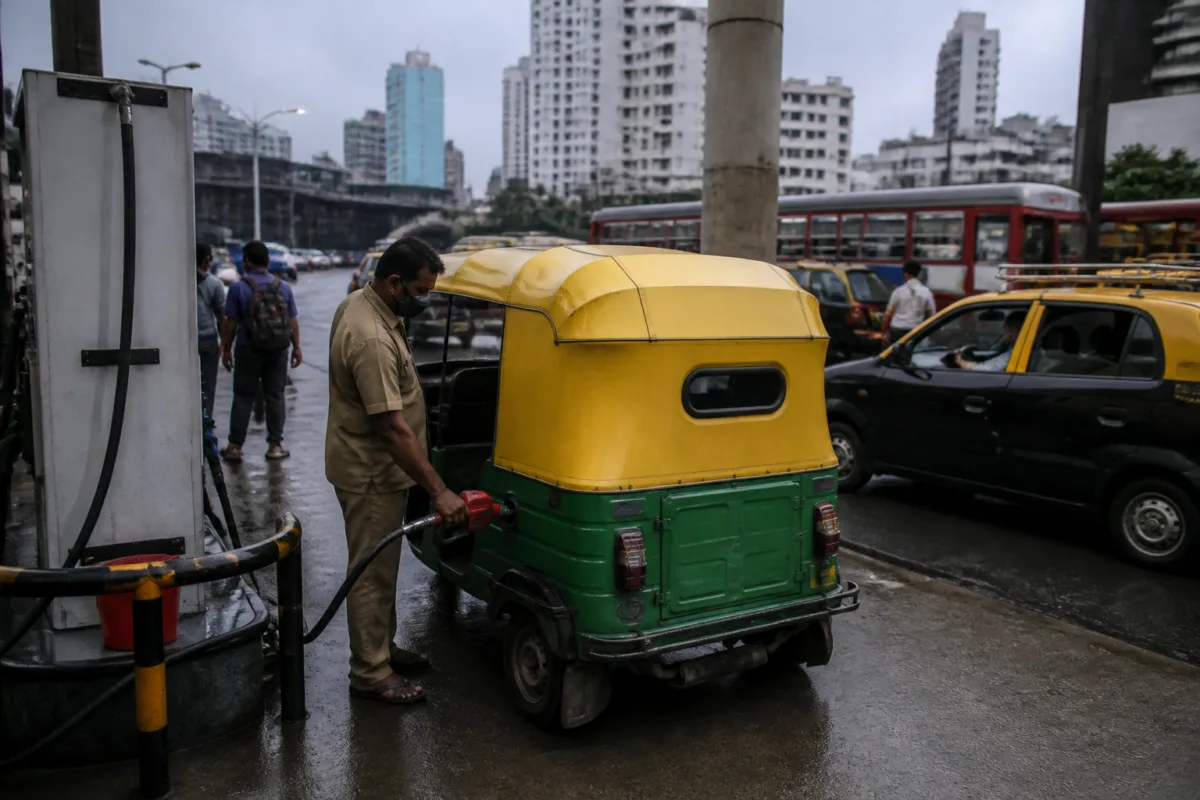
The CNG price in Mumbai and the wider Mumbai Metropolitan Region has risen by Re 1 per kg, taking the retail rate to Rs 90 and drawing fresh criticism from autorickshaw and taxi unions. The increase, effective from Sunday, is the sixth revision since April and comes after recent fare changes for autorickshaws.
The latest increase takes the price from Rs 89 per kg to Rs 90 per kg. There has been no corresponding increase in the rate of piped cooking gas, according to the report. The revision follows a Rs 2 per kg increase implemented on September 1 and another Re 1 per kg increase on October 1.
Autorickshaw and taxi unions said the repeated fuel-price increases are reducing the benefit of recent fare revisions and putting additional pressure on operators. Mumbai Rickshawmen’s Union leader Thampy Kurien said the unions opposed the latest increase, arguing that the series of hikes over seven months was eroding drivers’ earnings.
The minimum autorickshaw fare was raised from Rs 26 to Rs 27 after the September 1 increase. Kurien said the benefit of that fare revision would be wiped out by rising fuel costs. The latest CNG increase therefore affects not only driver operating costs but also the financial calculation behind the city’s metered three-wheelers and taxis.
The scale of the impact is linked to the MMR’s dependence on CNG-powered vehicles. The region has around 4.7 lakh autorickshaws, 1.6 lakh taxis and more than 5 lakh private cars running on CNG, apart from other vehicles including buses. The fuel is consequently embedded in the daily operating economics of a substantial part of the region’s road-based mobility system.
Mahanagar Gas Ltd cited higher input costs and supply pressures behind the revision. A company official said external market conditions, including the crisis in the Middle East, had pushed up international benchmarks for domestically produced gas and imported re-gasified liquefied natural gas, or RLNG.
MGL also said that a reduced allocation of lower-cost domestic gas had increased its reliance on more expensive imported energy sources. According to the company, the Re 1 per kg revision is intended to partially offset higher procurement costs while maintaining uninterrupted CNG supplies across its retail network.
The company said detailed location-wise prices for its operating areas were available on its official website. MGL also reiterated its focus on cost optimisation and described CNG as part of its clean-energy offering. For autorickshaw and taxi operators, however, the immediate issue remains the repeated increase in fuel expenditure after the latest fare revision.

