


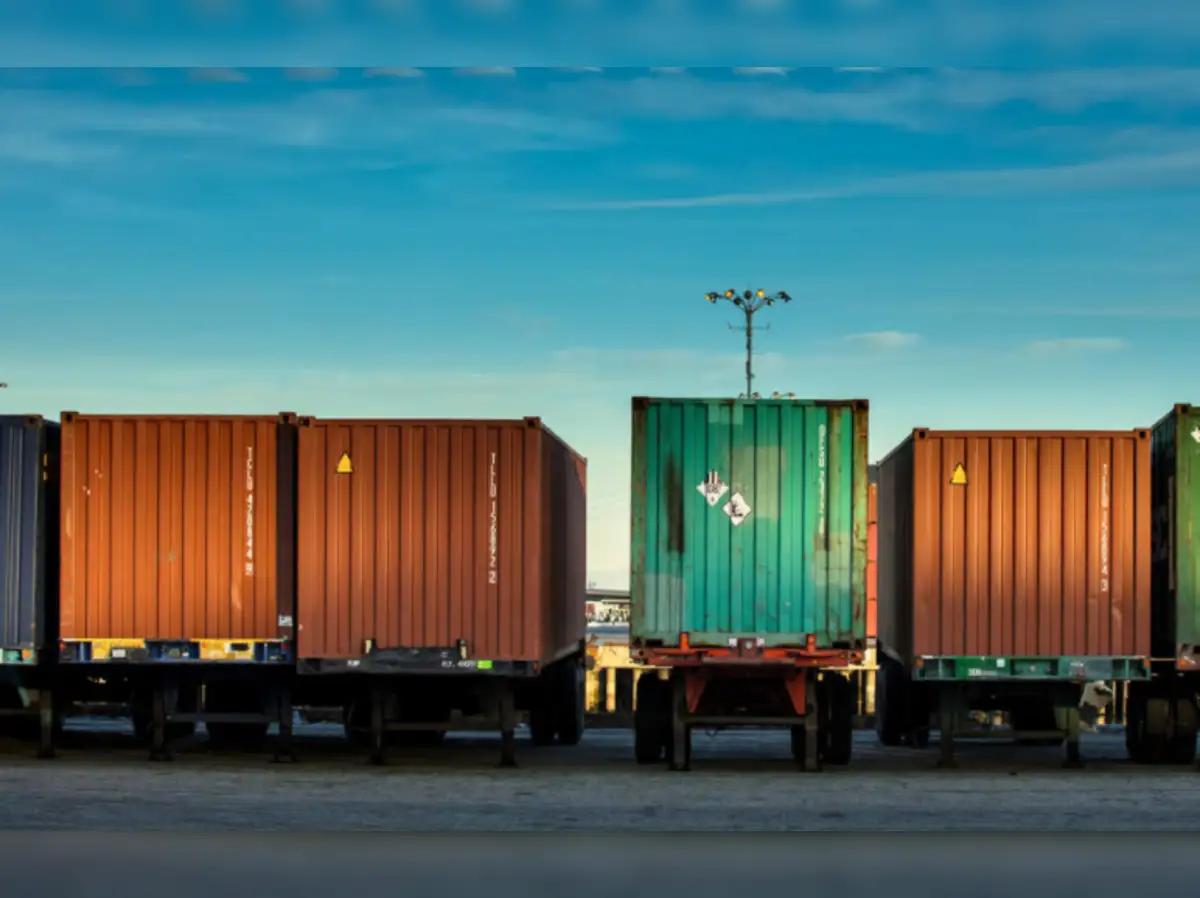
Freight movement in Chennai has surpassed pre-pandemic levels, with medium and heavy commercial vehicle (MHCV) activity registering strong growth in the current financial year. The rise signals a broader recovery in industrial output and logistics demand, reinforcing the city’s position as a critical freight hub in southern India.
Industry data indicates that increased movement of goods is being driven by manufacturing revival, infrastructure projects, and steady consumption demand. Chennai’s strategic location, supported by port connectivity and industrial corridors, continues to anchor its role in regional and national supply chains.Urban economists note that the Chennai freight growth trend reflects deeper shifts in economic activity. As production and distribution networks stabilise post-pandemic, cities with strong logistics ecosystems are witnessing accelerated recovery. For Chennai, this translates into higher transport volumes, warehousing demand, and increased activity across allied sectors.However, the surge in freight traffic also raises challenges for urban infrastructure. Increased truck movement can intensify congestion on arterial roads, particularly during peak hours, and place additional strain on already burdened transport networks. Experts highlight the need for better freight planning, including dedicated corridors, improved last-mile connectivity, and time-regulated movement within city limits.
From a sustainability perspective, the growth in MHCV traffic has implications for emissions and air quality. Heavy vehicles contribute significantly to urban pollution, making it essential to integrate cleaner technologies such as electric or low-emission trucks into logistics systems. Policymakers are also exploring modal shifts, including greater reliance on rail and coastal shipping, to reduce road congestion and environmental impact.The Chennai freight growth trajectory is also influencing real estate dynamics. Demand for logistics parks, warehousing facilities, and industrial land is rising, particularly along key transport corridors. This is reshaping land use patterns and creating new economic clusters on the city’s periphery.Labour and employment trends are also linked to this expansion. Increased logistics activity generates jobs in transportation, warehousing, and supply chain management. However, experts caution that workforce conditions, safety standards, and skill development need attention to ensure sustainable sectoral growth.Urban planners emphasise the importance of integrating freight considerations into city master plans. Efficient logistics systems can reduce travel time, lower costs, and improve overall economic productivity, but require coordinated planning across multiple agencies.
As Chennai continues to consolidate its role as a logistics hub, the current growth in freight movement presents both opportunities and challenges. Balancing economic expansion with infrastructure capacity and environmental sustainability will be key to ensuring that the city’s logistics sector evolves in a resilient and future-ready manner.
Also Read:Chennai Power Demand Surge Tests Energy Systems
