


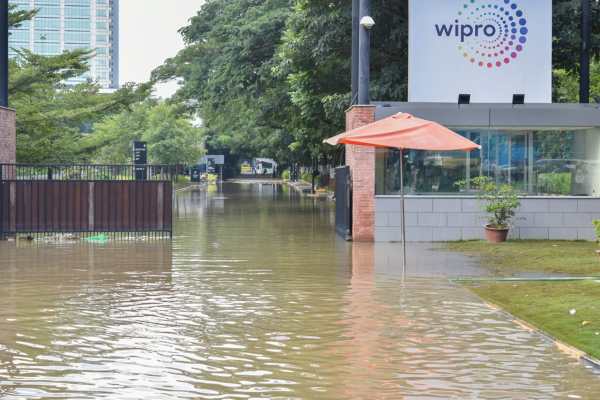
Authorities in Bengaluru have set fresh deadlines to complete long-pending infrastructure works in Sai Layout, a locality repeatedly affected by flooding, signalling renewed urgency in addressing the city’s urban drainage challenges. The move follows an on-ground review of flood mitigation projects aimed at improving resilience in vulnerable neighbourhoods.
Sai Layout has emerged as a case study in the consequences of rapid, unplanned urbanisation, where inadequate stormwater systems and encroachments on natural drainage channels have heightened flood risks. Residents have faced recurring waterlogging, particularly during heavy rainfall, disrupting daily life and damaging property.Urban planners note that the Bengaluru flood resilience projects underway in the area are critical to restoring functionality and confidence in local infrastructure. Key interventions include upgrading stormwater drains, clearing obstructions, and improving outflow channels to ensure faster water movement during intense rain events.However, experts caution that deadlines alone may not address deeper structural issues.Flooding in Bengaluru is often linked to the loss of interconnected lake systems and wetlands that historically acted as natural buffers. Without restoring these ecological networks, engineered solutions may offer only temporary relief.The Bengaluru flood resilience projects also highlight governance challenges, particularly the need for coordination among multiple civic agencies responsible for land use, drainage, and infrastructure.
Fragmented planning has often delayed implementation and reduced the effectiveness of mitigation measures.From a sustainability perspective, the situation underscores the importance of integrating nature-based solutions into urban planning.Restoring water bodies, protecting floodplains, and incorporating permeable surfaces can complement traditional drainage systems while enhancing climate resilience.There are economic implications as well.Frequent flooding can reduce property values, increase insurance costs, and deter investment in affected areas. Ensuring reliable infrastructure is therefore essential not only for residents’ safety but also for maintaining the city’s economic stability.Community engagement is another key factor. Residents’ participation in monitoring projects and reporting issues can improve accountability and ensure that solutions are tailored to local conditions. Experts suggest that transparent communication and regular progress updates will be crucial in rebuilding trust.Urban policy specialists emphasise that flood management must be integrated into broader city planning frameworks, including zoning regulations and infrastructure development. Preventing construction in high-risk zones and enforcing environmental safeguards are essential to reducing future vulnerabilities.
As Bengaluru faces increasing climate variability, the focus on Sai Layout reflects a wider need to prioritise resilience in urban development. Meeting project deadlines will be an important step, but long-term success will depend on sustained planning, ecological restoration, and coordinated governance to safeguard the city against future flood risks.
Also Read:Bengaluru Global Trade Connectivity Strengthens Economic Growth

