


Chennai Faces Major Waste Management Challenges as Population Grows
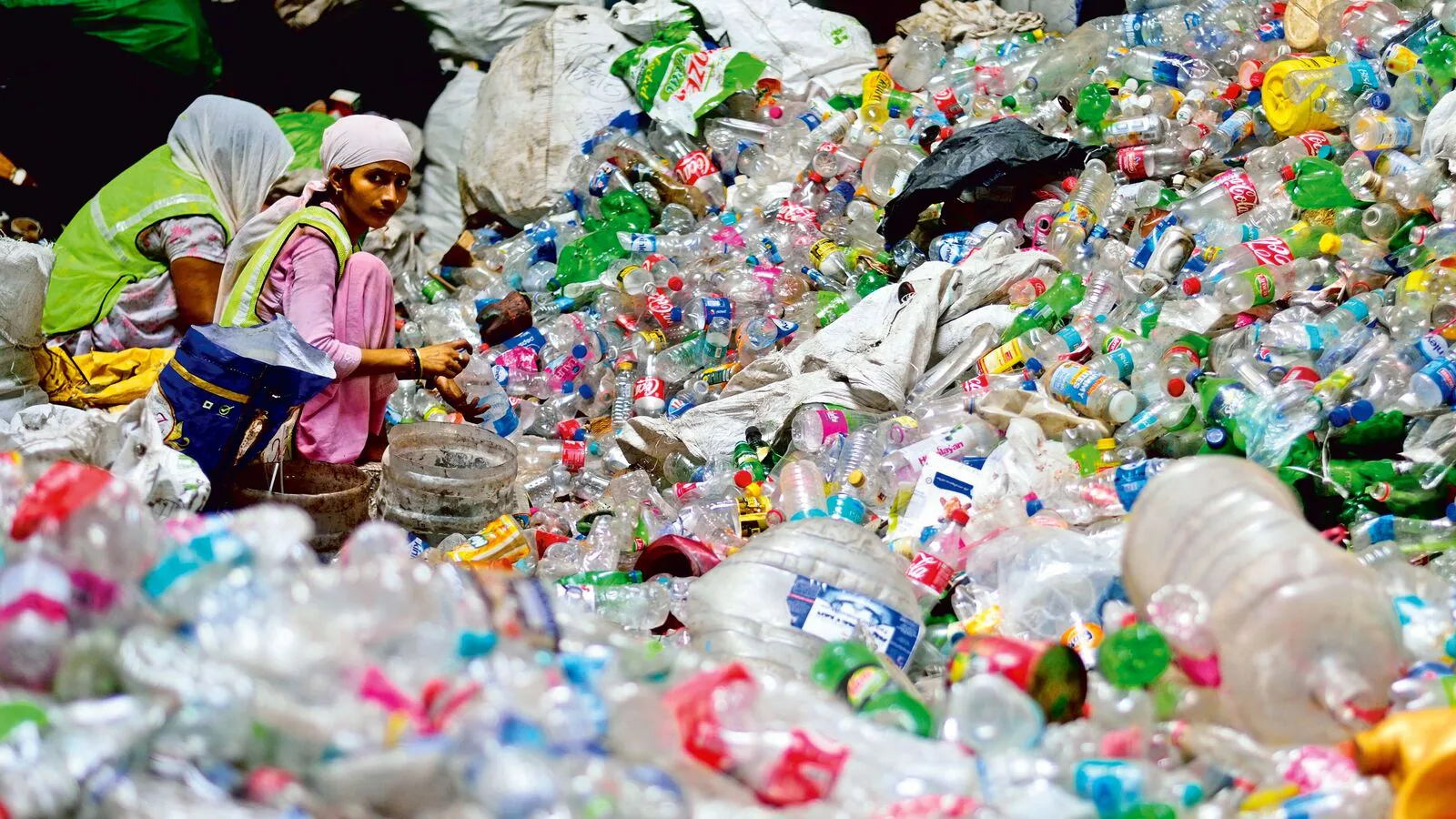
Chennai, one of India’s largest metropolitan cities, is bracing itself for an alarming waste management crisis that could worsen in the coming decades. According to the Greater Chennai Corporation (GCC), the city’s daily waste generation, which currently stands at 5,900 tonnes, is expected to more than triple to 17,422 tonnes by 2051, driven largely by population growth and escalating consumerism. As the city’s population continues to rise and the consumer landscape evolves, waste production is outpacing the capacity of existing infrastructure, presenting a formidable challenge for civic authorities and residents alike.
The GCC has already started preparing for this surge with a series of proposed expansions to its waste management infrastructure, including new recovery facilities, micro-composting centres, and advanced waste-to-energy systems. Notably, the Kodungaiyur waste-to-energy plant is one such project aimed at handling a significant portion of the waste generated by the city. However, the costs associated with these projects have raised concerns among environmentalists and urban planners. The Kodungaiyur facility, for example, is set to process an estimated 3,300 tonnes of waste daily in its first year, a figure that could rise to 3,960 tonnes by 2048. Yet, experts argue that relying too heavily on waste-to-energy plants could result in long-term sustainability challenges, particularly with the high proportion of plastics and other non-recyclable materials involved.
From a sustainability perspective, the Chennai Climate Action Plan (CCAP) urges the city to focus on waste reduction at the source, promoting practices such as segregation and decentralised processing, rather than depending solely on energy extraction from waste. According to the CCAP, effective segregation at the household level will ensure cleaner, more manageable feedstock for waste-to-energy plants and composting units, which in turn can contribute to reduced landfill usage and less environmental harm. The plan calls for heightened public awareness, stricter enforcement of waste management laws, and a collective effort to improve waste sorting by citizens. This approach promises to reduce the burden on landfills and enhance the overall efficiency of waste management systems.
Chennai’s waste management challenges were recently underscored during the heavy rainfall in 2024, which exposed significant vulnerabilities in the city’s infrastructure. Clogged stormwater drains caused widespread flooding, exacerbating the city’s waste management crisis. In response, the GCC has implemented measures to address these systemic issues, including the installation of GPS systems in garbage collection vehicles. The Integrated Command and Control Centre (ICCC) now monitors waste collection and water-pumping operations in real time, particularly during the monsoon. These efforts are part of a broader strategy to enhance operational efficiency, with the city also planning to deploy machinery capable of processing 1,000 tonnes of waste per day, alleviating some of the pressure on bio-mining at existing dumps.
Despite these efforts, residents have voiced concerns about the effectiveness of the city’s clean-up drives, which they see as sporadic and insufficient. In addition to regular waste clearing drives, the GCC has emphasised the importance of community participation, urging citizens to report illegal dumping through its 24-hour helpline. The city’s social media platforms, such as its official handle on X (formerly Twitter), have also become avenues for residents to voice their frustrations and demand better waste management practices. As the city faces the dual challenge of rapid urbanisation and a waste crisis, it is evident that a multifaceted approach combining technological solutions, policy enforcement, and active citizen involvement will be key to ensuring a sustainable and resilient future for Chennai.
