


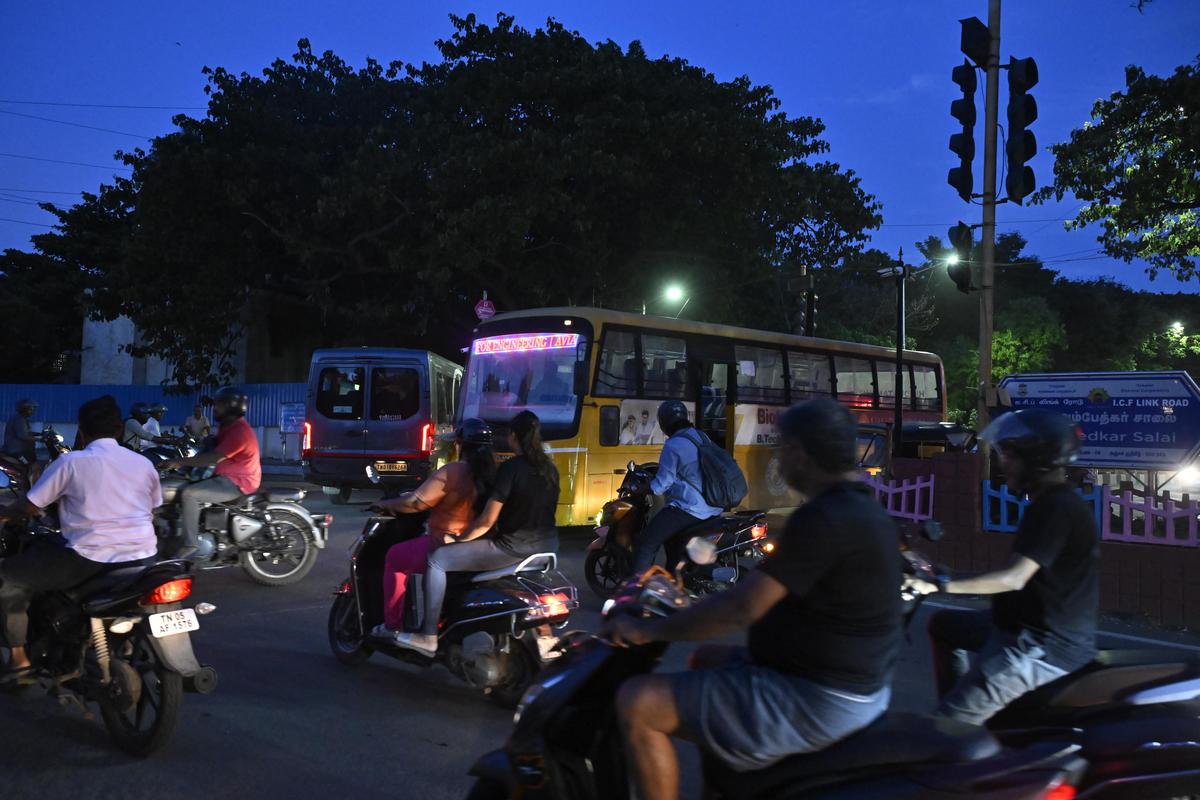
Urban infrastructure and welfare delivery have emerged as central themes in Chennai’s ongoing political contest, reflecting a shift in voter priorities towards quality of life and access to essential services.
The focus on Chennai election infrastructure issues signals how governance in major cities is increasingly being evaluated through the lens of everyday urban experiences, from mobility and housing to healthcare and public utilities.Political campaigns in the city are placing significant emphasis on expanding and upgrading infrastructure, including transport networks, water supply systems, and civic amenities. At the same time, welfare programmes aimed at supporting vulnerable populations are being highlighted as critical components of inclusive urban development.This dual focus underscores the growing expectation that cities must balance economic growth with social equity.The prominence of Chennai election infrastructure debates reflects the city’s evolving urban challenges. Rapid population growth, rising demand for housing, and pressure on existing services have made infrastructure development a key determinant of livability. Voters are increasingly seeking tangible improvements in areas such as traffic management, waste disposal, and access to clean water.From an economic perspective, infrastructure investment is closely linked to the city’s growth trajectory. Improved connectivity and reliable services can attract business activity, support job creation, and enhance overall productivity. For Chennai, which serves as a major industrial and commercial hub, the quality of infrastructure plays a critical role in maintaining competitiveness.
Welfare measures, meanwhile, are being positioned as tools to address inequalities within the urban population. Access to affordable housing, healthcare, and basic services remains uneven across different sections of the city.Policymakers are therefore emphasising programmes that aim to bridge these gaps while ensuring that development benefits are more widely distributed.Experts note that the integration of welfare and infrastructure planning is essential for sustainable urban growth. Investments in physical assets must be complemented by policies that ensure accessibility and affordability, creating systems that serve all residents effectively. This approach aligns with broader goals of building resilient and inclusive cities.The Chennai election infrastructure narrative also highlights the increasing role of urban voters in shaping policy agendas. As cities expand and diversify, electoral outcomes are being influenced by issues that directly impact daily life, rather than solely by broader political considerations. This shift is encouraging more data-driven and outcome-oriented governance approaches.Sustainability considerations are gradually entering the discourse as well.Proposals related to public transport expansion, water conservation, and waste management reflect a growing awareness of environmental challenges. Integrating climate resilience into infrastructure planning is becoming a key expectation from both policymakers and citizens.
As the political contest unfolds, the emphasis on Chennai election infrastructure and welfare priorities is likely to shape policy directions in the coming years. The outcome will not only determine governance in the city but also set a precedent for how urban issues are addressed in other rapidly growing metropolitan regions across the country.
Also Read:Kolkata Weather Pattern Shows Heatwave And Rain Mix
