


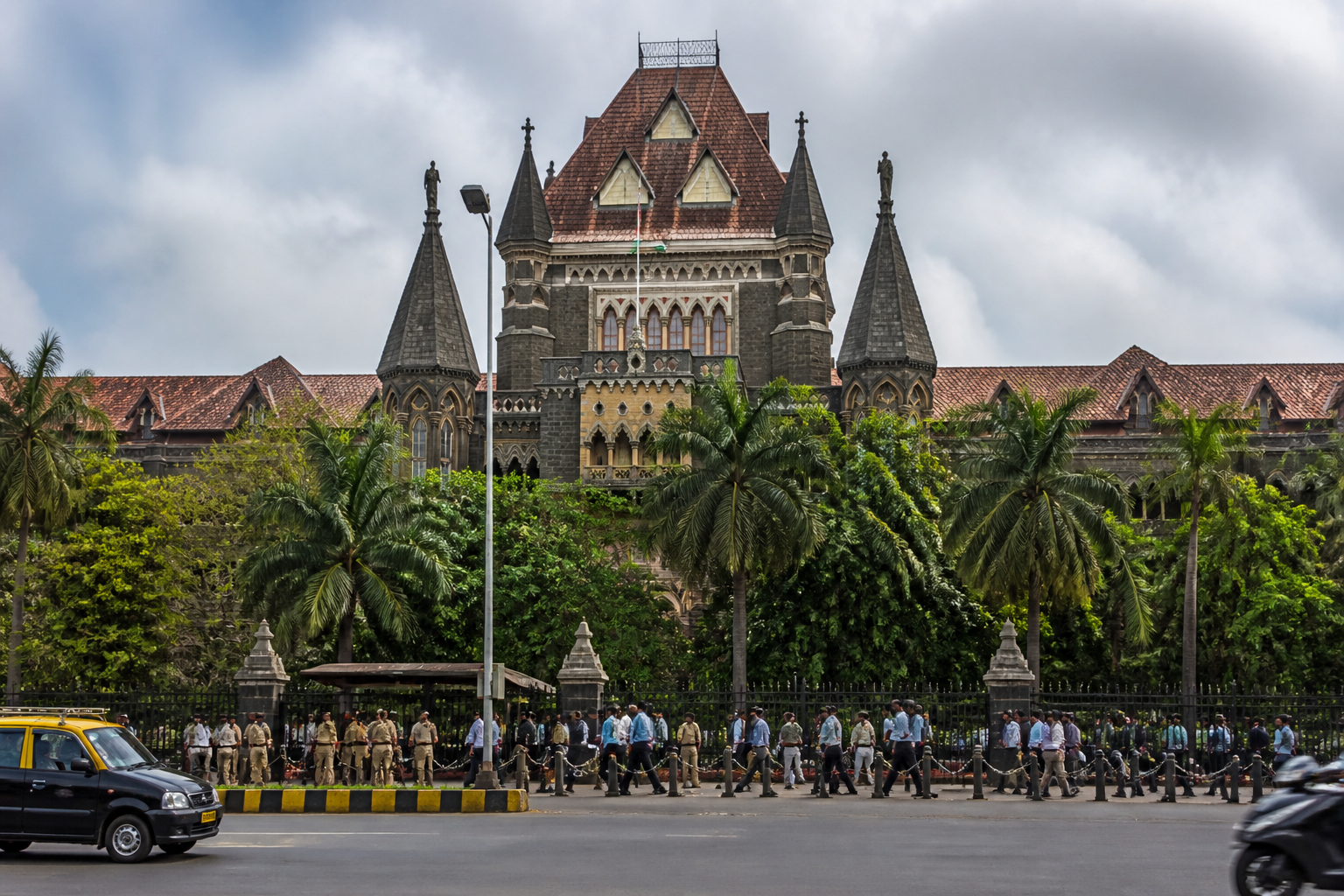
The Bombay High Court has ruled that two people drinking alcohol and shouting at each other in a public place cannot automatically be charged with “disorderly conduct” under Section 85(1) of the Maharashtra Prohibition Act, when there is no allegation that they abused, assaulted or disturbed any third person.
Justice Milind Jadhav, sitting as a single-judge bench, quashed the case against the two individuals after finding that the allegations did not establish the specific kind of improper and disorderly behaviour required under the provision. The ruling came while allowing their plea seeking cancellation of the criminal proceedings.
According to the police case, the two individuals had consumed alcohol and were shouting loudly at each other on a public road. The police argued that their conduct had disturbed public peace. However, the court noted that there was no allegation that either person had shouted at, abused, assaulted or caused inconvenience to a third party.
The judgment also recorded that the prosecution had not alleged any obscene, perverse or morally objectionable act by the petitioners apart from the fact that they were shouting at each other. The court therefore held that the conduct, as described in the case, did not by itself meet the legal threshold under Section 85(1).
The ruling draws a distinction between the consumption of alcohol and the behaviour that may follow it in a public setting. The court said that drinking alcohol alone does not constitute an offence under the provision. For Section 85(1) to apply, the prosecution must establish “improper and disorderly behaviour” based on the facts of each individual case.
The petitioners’ lawyers argued that speaking or shouting loudly, without more, could not be treated as a violation of public decency. The court accepted that a higher volume of speech, by itself, does not amount to a breach of civility. The decision therefore places emphasis on the actual impact and character of the alleged conduct rather than on alcohol consumption or loudness alone.
The order has implications for how public-order complaints involving alcohol are recorded and prosecuted in Maharashtra. Police allegations under the law would need to identify conduct beyond drinking or an argument between individuals, including facts showing that another person was abused, assaulted, harassed or otherwise affected, or that the conduct was obscene, perverse or morally objectionable.
The court’s decision does not state that disruptive conduct in public places is permissible. Instead, it holds that the statutory provision must be applied to the facts proved in each case. In this matter, the proceedings were quashed because the allegations did not contain the additional conduct required to sustain the charge.
