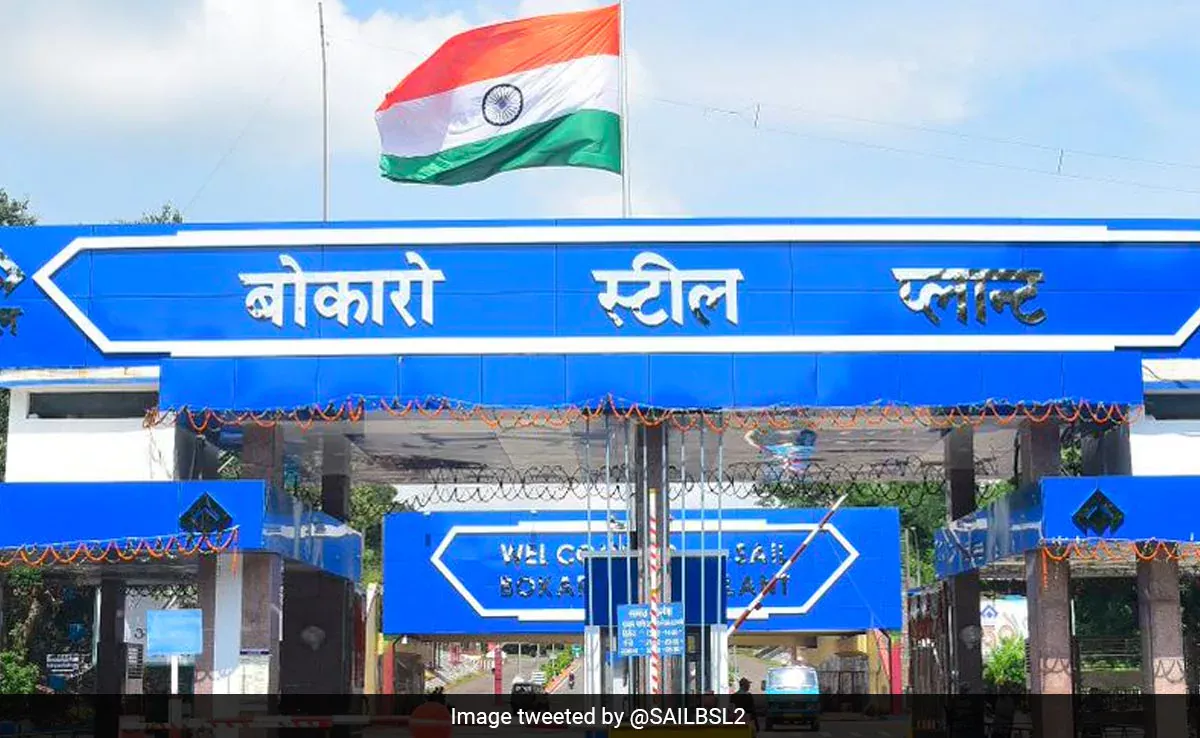
A major capacity expansion at Bokaro Steel Plant, operated by Steel Authority of India Ltd (SAIL), is expected to trigger significant employment generation while reinforcing the region’s industrial base. The large-scale upgrade, estimated at around ₹20,000 crore, is aimed at increasing production capacity and modernising infrastructure, with direct implications for workforce demand and local economic activity.
The expansion of Bokaro Steel Plant reflects a broader push by Steel Authority of India Ltd (SAIL) to scale up domestic steel production in response to rising demand from infrastructure, housing, and manufacturing sectors. As India accelerates investments in transport networks, urban housing, and industrial corridors, steel consumption is expected to remain on a strong growth trajectory, positioning facilities like Bokaro Steel Plant as critical supply anchors.The project is anticipated to generate substantial employment across both direct and indirect roles. Industry estimates suggest that thousands of jobs could be created through construction activities, plant operations, and ancillary services linked to the expansion. This includes opportunities in engineering, technical operations, logistics, and maintenance—areas that are essential to sustaining large-scale steel production.For Steel Authority of India Ltd (SAIL), the expansion of Bokaro Steel Plant is part of a long-term strategy to enhance operational efficiency and competitiveness. Upgrades are expected to include modern production technologies, improved energy efficiency, and advanced processing capabilities, enabling the plant to meet both domestic and export requirements more effectively.
From an urban and regional development perspective, the implications extend beyond employment. The growth of Bokaro Steel Plant is likely to stimulate demand for housing, transport infrastructure, and social amenities in the surrounding areas. Industrial expansion often acts as a catalyst for urbanisation, leading to the development of new residential clusters and service economies.The hiring momentum associated with Bokaro Steel Plant also highlights a structural shift in India’s industrial workforce needs. As steel plants adopt more advanced technologies, there is increasing demand for skilled and semi-skilled labour capable of operating and maintaining modern equipment. This places emphasis on vocational training and skill development initiatives aligned with industry requirements.At the same time, the expansion raises important considerations around sustainability. While increasing steel output is essential for infrastructure growth, Steel Authority of India Ltd (SAIL) is also under pressure to reduce emissions and adopt cleaner production methods. Integrating energy-efficient technologies and exploring low-carbon steelmaking processes will be critical as the sector aligns with evolving environmental standards.Industry observers note that the scale of investment in Bokaro Steel Plant signals confidence in India’s long-term industrial growth. However, timely execution, infrastructure support, and regulatory clearances will play a crucial role in determining the pace and impact of the project.
Looking ahead, the expansion of Bokaro Steel Plant by Steel Authority of India Ltd (SAIL) is expected to strengthen both industrial capacity and employment generation. As India continues to urbanise and invest in infrastructure, such developments could play a pivotal role in shaping resilient, economically vibrant, and future-ready industrial regions.