


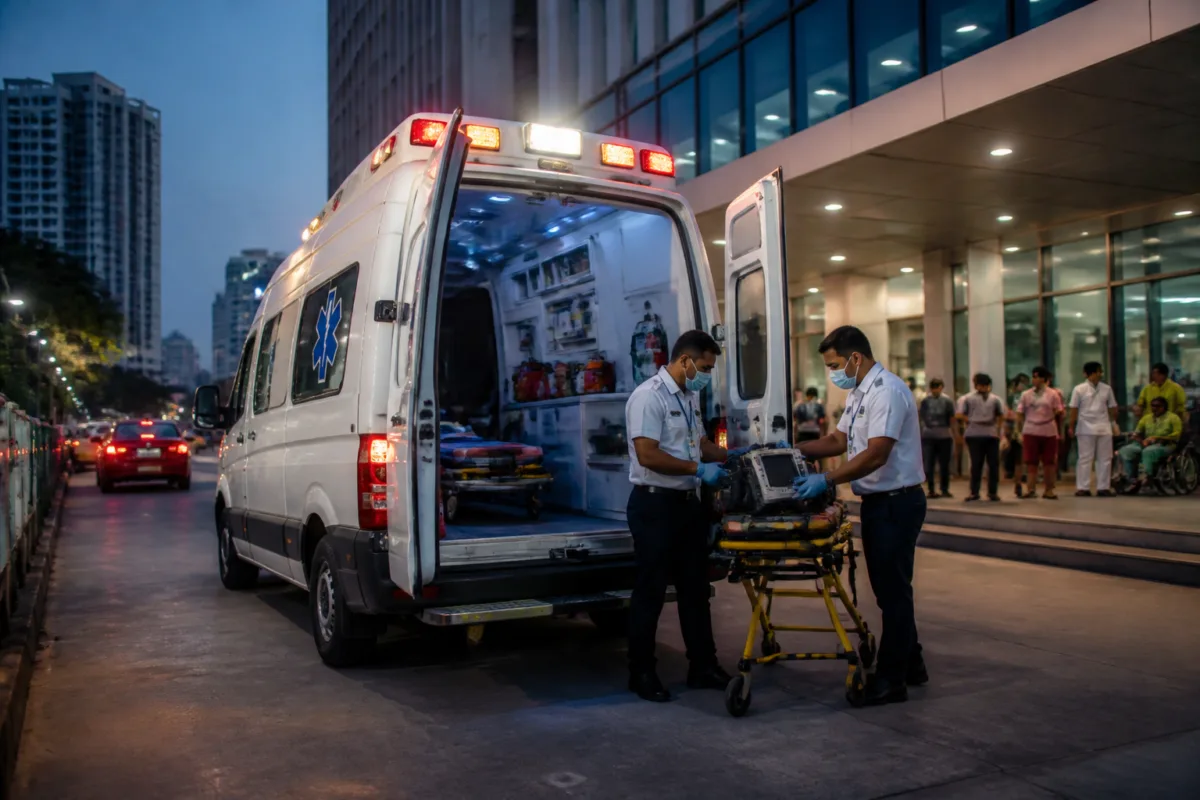
Blinkit Ambulance will begin charging ₹2,500 for non-emergency transfers, while continuing to provide emergency ambulance rides free of cost, Zomato founder Deepinder Goyal announced on Thursday. The change is intended to keep fully equipped ambulances and paramedics available for patients requiring immediate medical assistance.
Goyal said in a post on X that Blinkit Ambulance had handled around 42,000 cases over the past two years, including approximately 20,000 emergency cases. Patients were not charged for any of those trips, he said.
According to Goyal, a growing share of bookings was being used for routine doctor appointments, regular check-ups, hospital visits and hospital-to-home transfers. He said these journeys could often have been handled by private transport or ride-hailing services, while each such booking kept an emergency ambulance away from cases where a rapid response could be critical.
Under the revised structure, emergency transfers will remain free, while non-emergency transfers will attract a ₹2,500 fee after the trip. Goyal described the amount as broadly in line with charges levied by private ambulances. The company expects the fee to reduce the use of its emergency fleet for routine transportation.
The service is operated by the Eternal Foundation, and Goyal said the money collected from non-emergency trips would go to the foundation to support the expansion of the ambulance network. He said the availability of so-called 10-minute ambulances had helped save lives and that maintaining their readiness required limiting avoidable demand on the fleet.
The announcement also highlights a capacity constraint in emergency medical transport: the availability of trained paramedics. Goyal said scaling high-quality ambulance services remained difficult primarily because of a shortage of trained and empathetic paramedics. He added that Blinkit’s training academy was expanding while maintaining its quality standards.
Goyal further said that the company was committed to bringing Blinkit Ambulance to all major cities in India over the next two to four years. The immediate pricing change will therefore determine how the service separates emergency response from routine medical transport as it attempts to expand its urban ambulance network.

