


Bhubaneswar is seeing a rise in cyber fraud involving QR-code payments, instant-loan offers, cashback messages, gas bookings and fake traffic challans, according to a report by Odisha Post. The scams allow fraudsters to target residents remotely through phone calls, malicious links and manipulated payment requests.
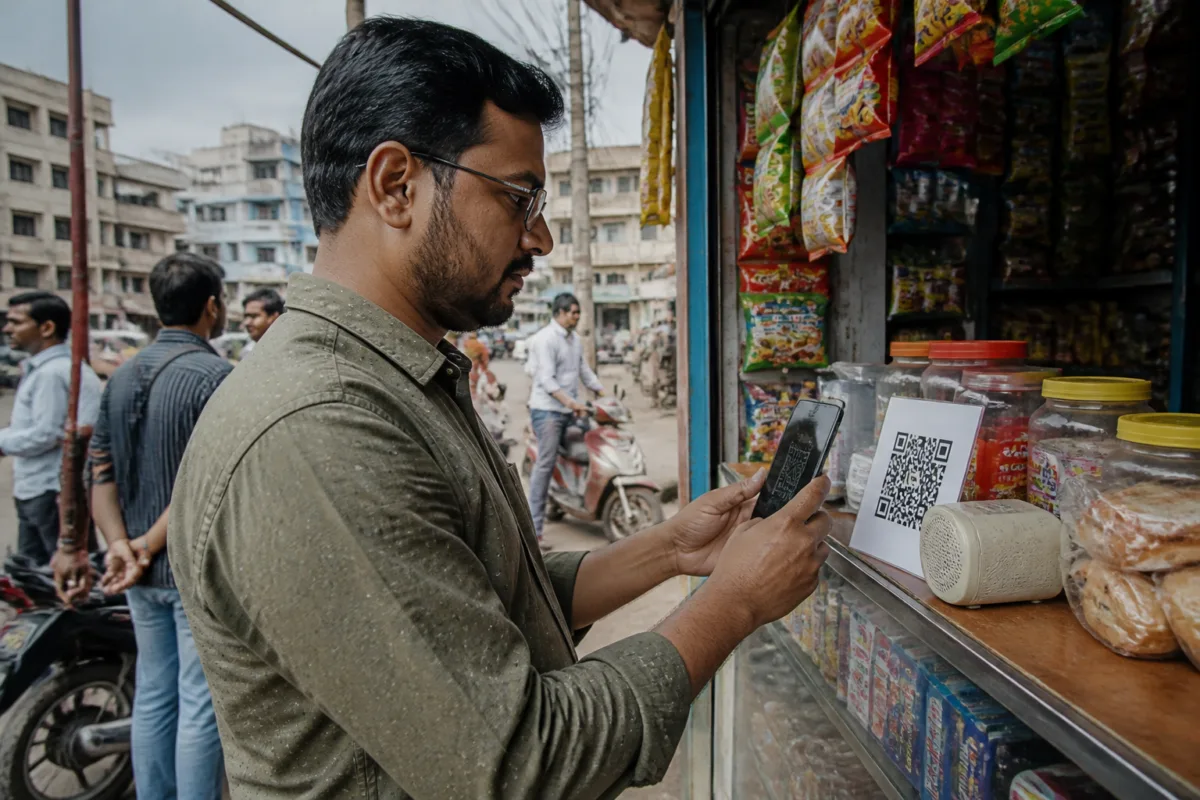
One method involves replacing legitimate QR-code stickers at shops with fraudulent ones. As digital payments become common at establishments ranging from roadside tea stalls to jewellery showrooms, customers may scan the substituted code and transfer money directly to an account controlled by fraudsters. The report said crowded shops can make it difficult for merchants to verify payment alerts from sound boxes immediately.
Fraudulent loan offers are another reported method. Scammers circulate advertisements on WhatsApp, Facebook and Telegram promising low-interest or pre-approved loans. The links in these messages can provide unauthorised access to personal mobile data, while victims are also asked to pay processing or registration fees before the fraudsters stop responding.
The report also described fake cashback messages circulated ahead of festivals and celebrations. Recipients are directed to messages or links that seek personal information, which can then be used to access or drain bank accounts. The reported scams are built around routine digital behaviour, including responding to promotional messages and making quick online payments.
Fake traffic-challan messages are being sent to vehicle owners with claims that a payment is pending. These messages include payment links that can lead victims into a fraud. LPG-related scams similarly use calls or links claiming to offer cylinder bookings, subsidies or delivery services in an attempt to obtain banking or account information.
Bhubaneswar DCP Saravana Vivek M advised residents to verify calls and messages received from unknown numbers before responding. He cautioned against clicking links from unverified sources and said people should not share one-time passwords, personal identification numbers or banking credentials with anyone. Residents were also advised to check QR codes carefully before scanning them.
The reported pattern shows how the city’s expanding dependence on digital payments and online public-service interactions is creating new points of vulnerability. A QR code displayed at a neighbourhood shop, a message about a vehicle challan or a link claiming to support an LPG booking can appear connected to a routine transaction while directing money or information elsewhere.
People who lose money in a cyber fraud should immediately call the national helpline 1930 or file a complaint through the official cybercrime portal, according to the advice cited in the report. The guidance is intended to enable faster reporting after an incident and support action through the cybercrime response system.

