


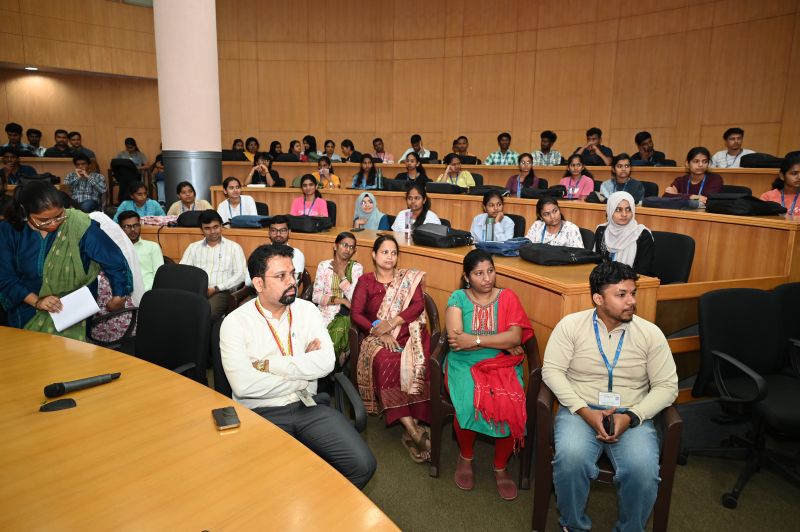
A large-scale student technology showcase in Bengaluru has brought renewed attention to how academic research and early-stage innovation could shape the next generation of urban infrastructure, sustainable industry, and digital public services in India’s fast-growing cities. The exhibition, hosted this week across engineering and technology institutions in the city, featured projects centred on automation, clean mobility, artificial intelligence, energy efficiency, and public utility management.
The event arrives at a time when Indian cities are under increasing pressure to modernise infrastructure while also reducing environmental stress and improving access to essential services. With Bengaluru continuing to expand as both a technology hub and an urban growth corridor, the emphasis on practical, low-cost innovation reflects a broader shift in how universities are preparing students for emerging economic and civic challenges.Several prototypes displayed during the expo focused on solving real-world urban issues, including traffic monitoring systems, water conservation tools, waste management applications, and AI-enabled safety platforms.Industry observers noted that many projects moved beyond theoretical engineering exercises and instead attempted to address gaps in public infrastructure and service delivery.Urban planners and technology analysts say such platforms are becoming increasingly relevant as cities seek scalable solutions that are locally adaptable and resource efficient. In rapidly urbanising regions, experimentation led by students and research institutions is being viewed as an important pipeline for future-ready infrastructure development, particularly in sectors where municipal systems face budget and operational limitations.
The Bengaluru student innovation ecosystem has also gained momentum due to growing collaboration between educational institutions, manufacturing firms, start-up incubators, and state-backed digital programmes.Experts believe this convergence could help accelerate the commercialisation of technologies linked to climate resilience, smart mobility, and urban sustainability.At the same time, questions remain about how many of these ideas can transition from prototype to implementation. Analysts point out that limited funding access, fragmented regulatory processes, and inadequate testing environments often prevent student-led technologies from reaching wider public adoption. Strengthening partnerships between academia and city administrations could therefore become critical in converting experimental projects into deployable civic solutions.The exhibition also highlighted changing workforce expectations within India’s technology and manufacturing sectors.Recruiters and industrial representatives attending the event indicated growing demand for interdisciplinary skills combining software, sustainability awareness, electronics, and urban systems thinking. This reflects a broader economic trend in which future employment opportunities are increasingly tied to green infrastructure, automation, and data-driven city management.
As Bengaluru continues to confront pressures linked to congestion, resource consumption, and uneven infrastructure expansion, platforms promoting applied research and civic-oriented technology may play a larger role in shaping how urban India responds to future growth. The long-term impact, however, will depend on whether institutions, governments, and industry can create pathways that allow emerging ideas to move beyond exhibition halls and into everyday public life.
Also Read:Bengaluru Park Access Discussion Raises Civic Questions
