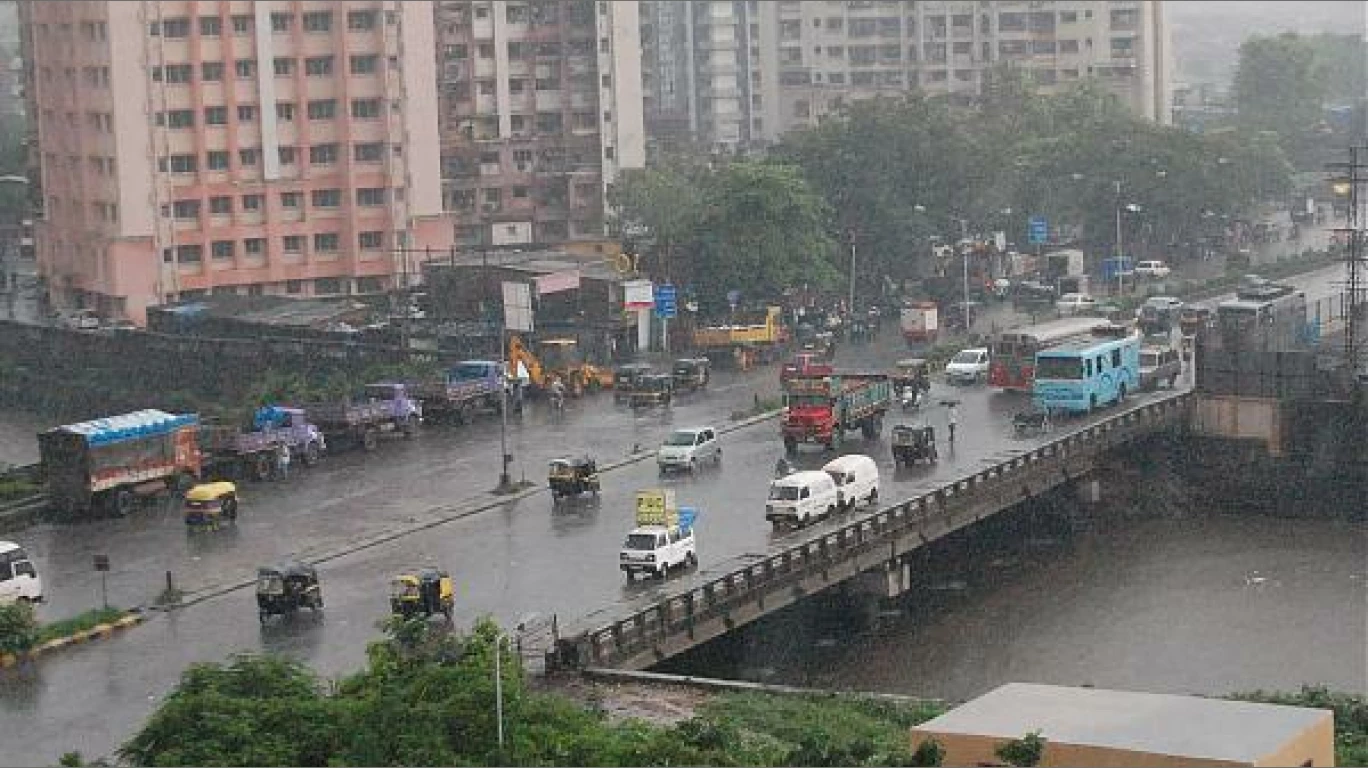
Mumbai’s civic administration is moving ahead with plans to reconstruct a decades-old bridge over the Oshiwara River along New Link Road in Goregaon, as structural concerns surrounding ageing urban infrastructure intensify across the city’s suburban transport network. The proposed redevelopment, estimated at nearly ₹20 crore, is expected to be carried out in phases over an 18-month period to minimise disruption on one of western Mumbai’s busiest arterial corridors. The bridge serves as a critical connector between residential, commercial and transit-heavy neighbourhoods, functioning as an alternative route to the heavily congested SV Road corridor.
According to civic officials familiar with the proposal, the existing structure was identified as structurally vulnerable during technical assessments conducted over the past few years. Subsequent engineering evaluations and temporary strengthening measures allowed continued operations under restricted load conditions, but authorities concluded that long-term rehabilitation would not adequately address the bridge’s deteriorating condition. The Mumbai bridge reconstruction project will involve dismantling and rebuilding key structural elements, including carriageways, pedestrian pathways and load-bearing girders. Officials indicated that maintaining partial traffic movement during construction remains a priority due to the strategic importance of New Link Road within the western suburbs mobility network. Urban transport experts say the redevelopment reflects a broader infrastructure challenge confronting Indian metropolitan regions, where bridges and flyovers constructed during earlier phases of urban expansion are now approaching the end of their structural lifecycle. Many of these assets were designed for significantly lower traffic volumes than what cities currently experience. The Oshiwara River bridge is particularly significant because of its location within one of Mumbai’s rapidly densifying suburban belts. Over the last decade, Goregaon and adjoining areas have witnessed accelerated real estate activity, commercial growth and rising commuter movement linked to metro expansion and office district development.
This has sharply increased pressure on transport corridors originally built for smaller populations and lighter vehicular loads. Infrastructure planners note that phased execution of the Mumbai bridge reconstruction is intended to avoid the severe congestion typically associated with full-scale road closures in dense urban zones. However, commuters are still likely to face periodic traffic diversions and slower movement during peak construction stages. The project also draws attention to the growing importance of climate resilience in urban infrastructure planning. Bridges crossing river channels in coastal cities like Mumbai face additional stress from flooding, waterlogging, corrosion and extreme rainfall events linked to changing climate patterns. Experts argue that reconstruction efforts must increasingly incorporate stronger drainage systems, corrosion-resistant materials and improved pedestrian safety standards. The proposal is currently awaiting final administrative clearances before tendering and execution can begin. Once completed, the rebuilt corridor is expected to improve operational safety and strengthen connectivity across western Mumbai’s suburban transport grid.
For city planners, the larger challenge extends beyond replacing ageing structures. As Mumbai expands vertically and geographically, infrastructure renewal will increasingly require coordinated planning that integrates transport resilience, environmental risk management and long-term urban sustainability into everyday civic development decisions.