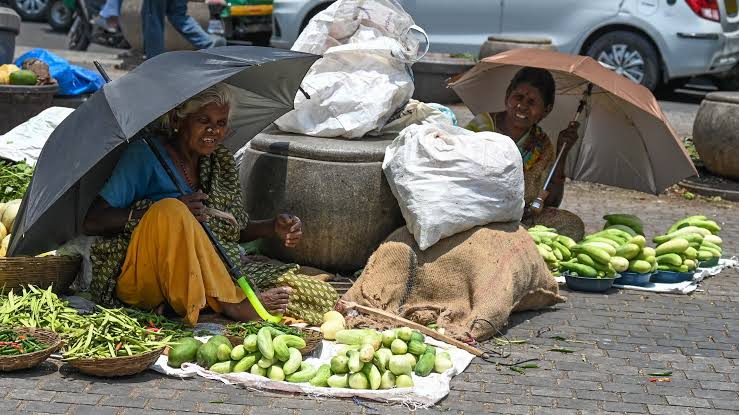
Bengaluru Street Vendors See Gains From Credit Access
Street vendors in Bengaluru are seeing improved access to formal credit through the PM SVANidhi programme, highlighting how small-ticket financing can support livelihoods within the city’s informal economy. The scheme’s reported outcomes also point to a broader urban development challenge: ensuring that street-based businesses can access finance and operate securely as Bengaluru expands and public spaces come under increasing pressure.
The central government has highlighted the progress of Bengaluru beneficiaries under the scheme, which provides working-capital loans to eligible street vendors. The programme is designed to help vendors move away from informal borrowing and gradually build a formal financial record through timely repayment and digital transactions. For many vendors, access to relatively small amounts of working capital can have an immediate effect on daily business. It can help finance stock purchases, equipment, transportation and other operating expenses without relying entirely on high-cost informal lenders. The importance of the Bengaluru street vendors economy extends beyond individual livelihoods. Vendors contribute to neighbourhood-level access to affordable food, household goods and services, while creating employment with comparatively low entry barriers. Their presence is particularly significant around transport hubs, markets, commercial districts and residential neighbourhoods. Yet access to credit alone cannot resolve the structural challenges faced by informal businesses. Vendors also depend on secure and legally recognised vending spaces, access to sanitation, waste collection, storage facilities and safe pedestrian environments.
Without these supporting conditions, additional working capital may not translate into stable long-term income. Urban planners say Bengaluru’s approach to street vending needs to balance economic activity with the management of public space. Well-planned vending zones can help reduce conflicts between pedestrians, vehicles and traders while allowing local commerce to remain part of the city’s everyday economy. There is also a digital dimension to formalisation. Digital payments and formal credit histories can help vendors establish financial identities, potentially improving access to larger financial products over time. However, the transition needs to remain inclusive for vendors who may have limited access to smartphones, banking services or digital literacy. The experience of Bengaluru street vendors therefore offers a useful measure of how urban economic policy can work at the neighbourhood level. Small enterprises often operate with limited financial buffers, making affordable credit and predictable public infrastructure particularly important. As Bengaluru continues to attract investment and expand its formal commercial landscape, informal businesses should not be viewed only through the lens of regulation or congestion. They form part of the city’s economic ecosystem and provide essential services to large sections of its population.
The next challenge is to ensure that financial inclusion is accompanied by secure vending spaces, basic services and transparent local regulation. For street vendors, meaningful economic resilience will depend not just on access to credit, but on having a stable place and environment in which that credit can generate sustainable livelihoods.