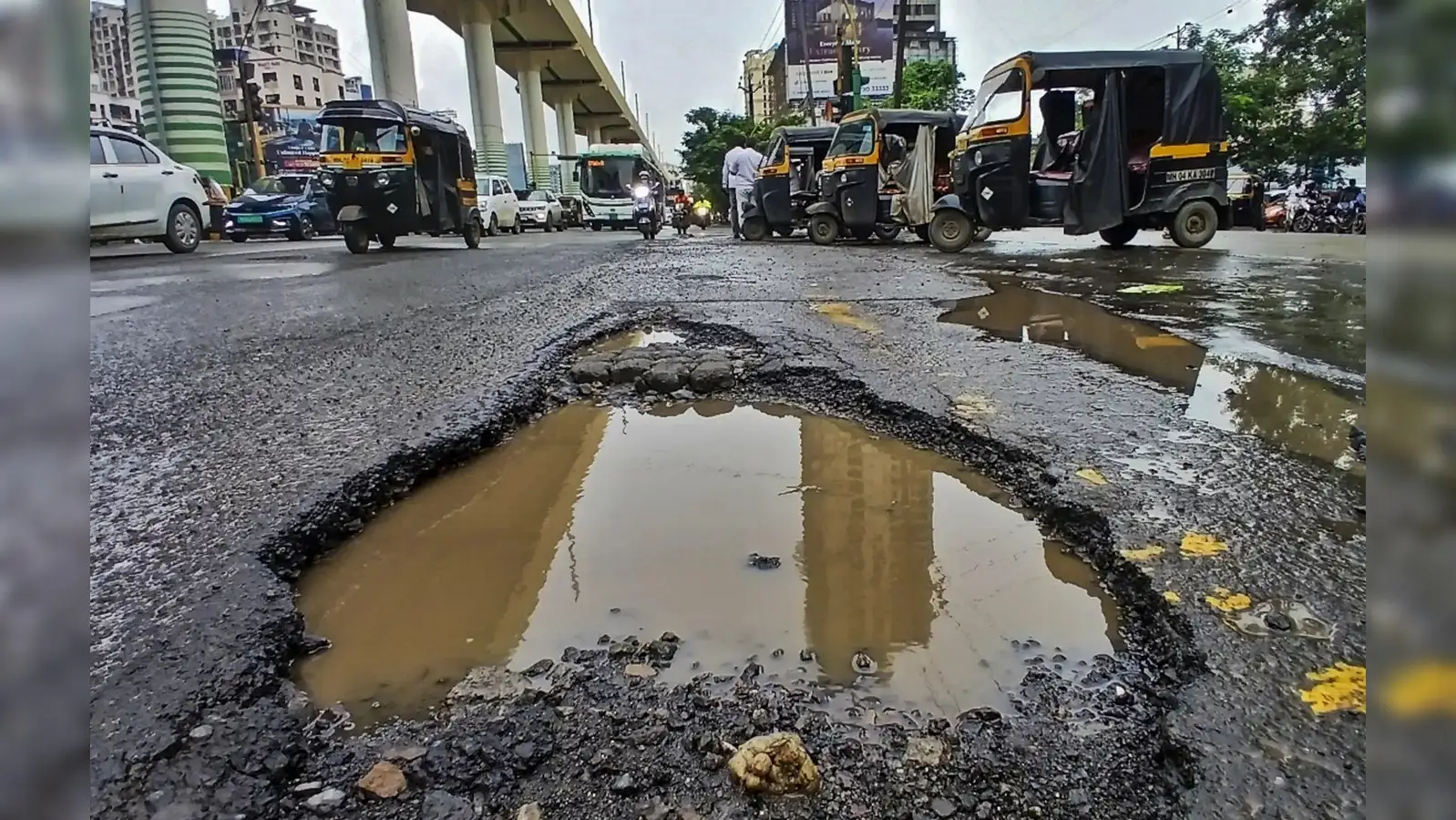
Bengaluru’s long-running pothole problem is again under scrutiny as civic agencies step up road repairs, raising a familiar question for residents: whether the latest campaign can deliver durable streets rather than another cycle of temporary patchwork. The issue has implications beyond traffic delays, affecting pedestrian safety, public transport, vehicle operating costs and the city’s ability to withstand increasingly intense rainfall.
The Greater Bengaluru Authority has been pursuing road-improvement measures across the city, with pothole filling forming part of broader efforts to improve surface infrastructure. However, recurring road damage has made maintenance a persistent challenge, particularly during and after periods of heavy rain. For commuters, the impact is immediate. Damaged carriageways can slow buses and private vehicles, increase congestion as drivers manoeuvre around damaged sections and make journeys less predictable. Two-wheelers face a greater exposure to uneven surfaces, while pedestrians can encounter additional difficulties where damaged roads overlap with inadequate footpaths or waterlogged stretches. The larger concern is the durability of repairs. Filling a pothole without addressing the underlying pavement failure can provide only a short-term improvement. Water infiltration, poor drainage, weak sub-base material and repeated heavy traffic can cause the same section to deteriorate again. This makes stormwater management an important part of road maintenance. Bengaluru’s roads frequently deteriorate when rainwater remains on or beneath pavement surfaces. Keeping roadside drains functional and ensuring that road levels and drainage channels work together can therefore reduce repeated repair requirements.
The financial cost is also significant. Repeatedly repairing the same roads consumes public funds that could otherwise be directed towards comprehensive resurfacing, footpaths, junction improvements or public transport infrastructure. A maintenance system based on preventive inspections and lifecycle planning could offer better value than responding only after failures become visible. Urban road specialists have also stressed the need for consistent construction standards and accountability. Roads built or resurfaced under different contracts can vary in material quality and workmanship, making monitoring particularly important. Clear performance standards and post-completion inspections can help ensure that contractors remain responsible for defects during the relevant maintenance period. The problem is especially important as Bengaluru continues to expand. New peripheral roads and rapidly urbanising neighbourhoods add to the length of the network requiring maintenance, while construction activity can place additional stress on existing streets. A durable solution would therefore require more than an annual pothole count.
Mapping recurring damage, identifying drainage failures, using appropriate pavement materials and publishing repair progress could help the civic administration move towards preventive road management. For residents, the measure of success will ultimately be straightforward: roads that remain usable after the next major spell of rain. Bengaluru’s pothole challenge will only begin to recede when road construction, drainage and maintenance are treated as parts of the same urban infrastructure system.