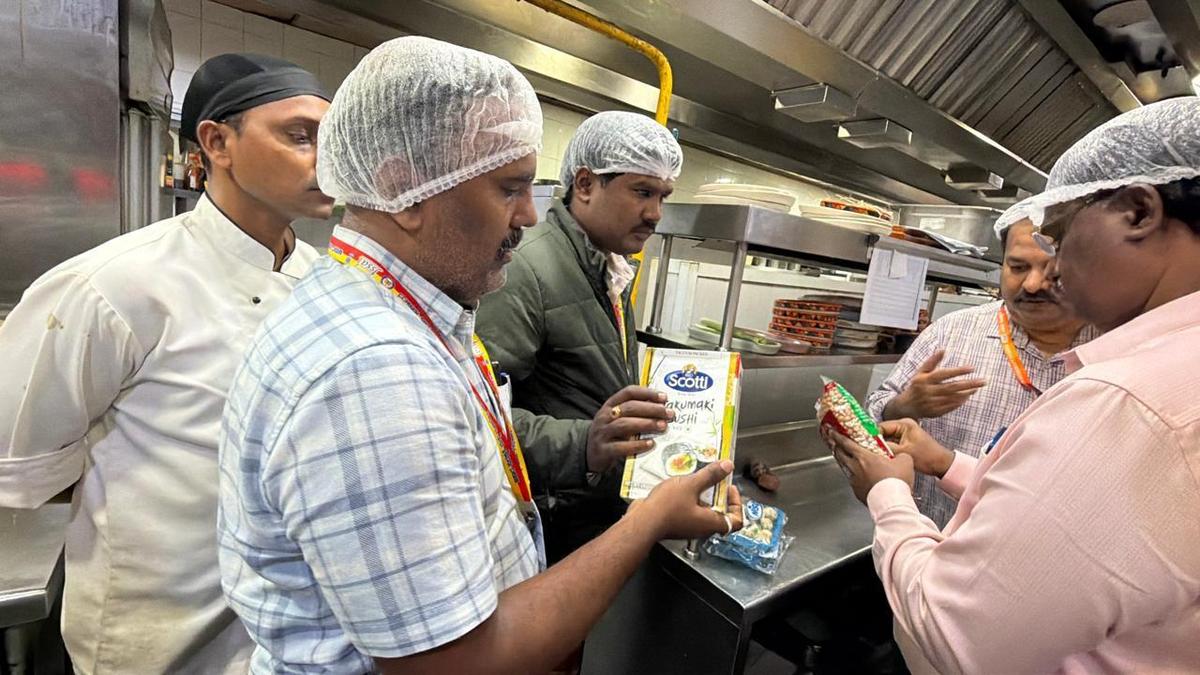
Bengaluru’s growing paying guest accommodation sector is facing renewed scrutiny after inspections of 64 PG facilities uncovered food-safety and hygiene concerns. The checks found expired food products, insect-control chemicals stored near food items and other lapses, highlighting the need for stronger standards in a housing segment that has become essential for students and young professionals moving to the city.
The inspections were conducted across multiple parts of Bengaluru as civic authorities stepped up checks on PG establishments. Among the concerns identified were expired food products and the storage of bed-bug treatment powder close to food, raising questions about basic segregation and safe food-handling practices in shared accommodation. The findings are significant because PGs occupy an increasingly important space in Bengaluru’s housing market. With rents in established neighbourhoods remaining challenging for many workers and students, managed accommodation provides a relatively accessible alternative. However, unlike conventional residential buildings, PGs combine housing, food preparation, sanitation and often laundry and housekeeping services within the same premises. That makes Bengaluru PG inspections relevant to more than regulatory compliance. Food served in shared accommodation can affect dozens of residents simultaneously, meaning poor storage, inadequate kitchen hygiene or weak pest-control practices can create risks at a much larger scale than in an individual household. Authorities have also been examining whether PG operators are complying with required registrations and civic norms.
The broader challenge is creating a system in which accommodation providers are not checked only after complaints or targeted drives, but are subject to predictable standards and periodic monitoring. For residents, transparency could become an important part of this framework. PG operators could be required to clearly display registration details, food-safety information, emergency contacts and basic hygiene protocols. Regular inspection records could also help residents make more informed choices when selecting accommodation. The issue also points to the need for clearer coordination between agencies responsible for civic administration, food safety, public health and local enforcement. Bengaluru’s new municipal structure provides an opportunity to develop more consistent standards across the city’s corporations rather than relying on fragmented inspections. The Bengaluru PG inspections should therefore be viewed as part of a wider conversation about the quality of rental and shared housing. As the city attracts more students, technology workers and migrants, affordable accommodation must also provide safe food, sanitation and healthy living conditions.
The immediate inspections may address individual violations, but lasting improvement will depend on regular monitoring, clear operator responsibilities and accessible complaint mechanisms. For Bengaluru, better PG regulation could help ensure that affordable urban housing does not come at the cost of basic health and safety.