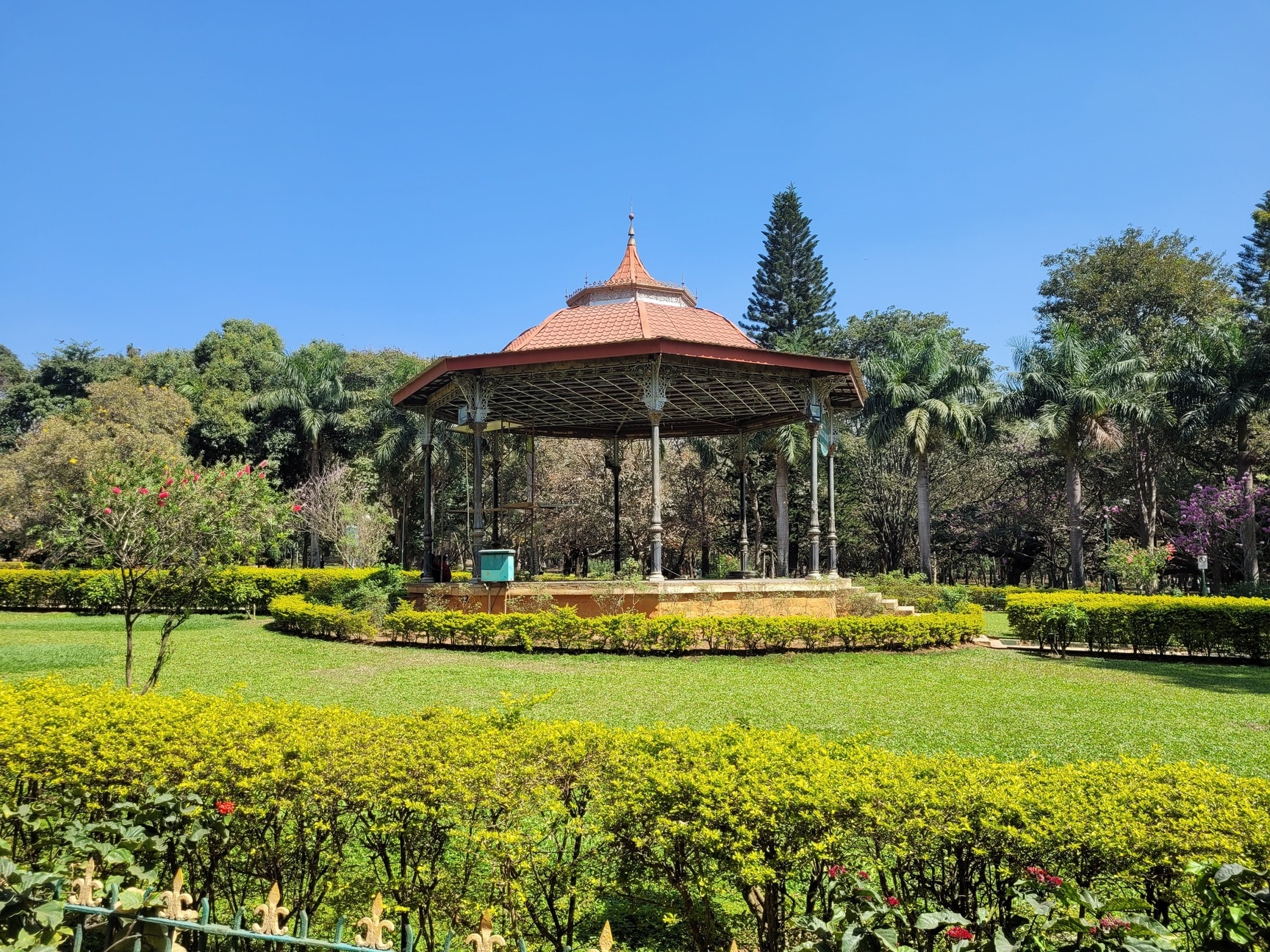
Bengaluru Parks Face Fresh Questions Over Land Use
Proposed changes to the legal framework governing Bengaluru’s parks and playgrounds have triggered concern among citizen groups, who fear that altering existing safeguards could widen the scope for non-recreational use of public green spaces. The debate has placed the city’s limited open land at the centre of a larger question: how Bengaluru can accommodate public infrastructure without steadily reducing its ecological and recreational assets.
The proposed amendment relates to the Karnataka Parks, Playgrounds and Open Spaces (Preservation and Regulation) Act, 1985. The legislation currently provides protections intended to prevent parks, playgrounds and open spaces from being diverted to other uses without regulatory scrutiny. Citizen groups have questioned whether proposed changes could weaken these safeguards. The concern is particularly relevant in Bengaluru because public open spaces perform several functions simultaneously. Parks provide accessible recreation, shade and vegetation, while larger green areas can support biodiversity and contribute to stormwater absorption. In densely built neighbourhoods, these spaces may also be among the few areas where residents can access greenery without paying for private facilities. Citizen groups argue that public land should not be treated simply as spare land for future infrastructure requirements. Their position reflects a broader urban-planning principle: infrastructure planning should account for the environmental and social value of land before alternative uses are approved. The debate also comes at a time when Bengaluru is experiencing pressure on land from housing, transport infrastructure and civic facilities.
Converting or reducing green spaces may provide short-term land availability, but replacing mature vegetation elsewhere is rarely an equivalent exchange. A newly planted site can take years to develop comparable canopy, habitat value and cooling capacity. Urban planners also point to the distribution of parks as an equity issue. Residents in neighbourhoods with limited private open space depend more heavily on publicly accessible parks for walking, exercise and everyday recreation. Any change in land-use protection therefore has implications beyond environmental conservation. The issue is not necessarily about preventing every public facility from being located near or within existing urban green areas. Rather, the planning question is whether alternatives have been adequately assessed and whether any unavoidable intervention includes measurable safeguards, public consultation and ecological accounting. For Bengaluru, maintaining a balance between infrastructure expansion and open-space protection will become increasingly important as land values rise and development intensifies.
A transparent assessment of the proposed legal changes, including their potential impact on the city’s green cover and public access to recreation, could help ensure that immediate infrastructure needs do not undermine long-term urban resilience. The continuing discussion is therefore likely to shape more than the future of individual parks. It could influence how Bengaluru defines, protects and values public open space as the city grows.