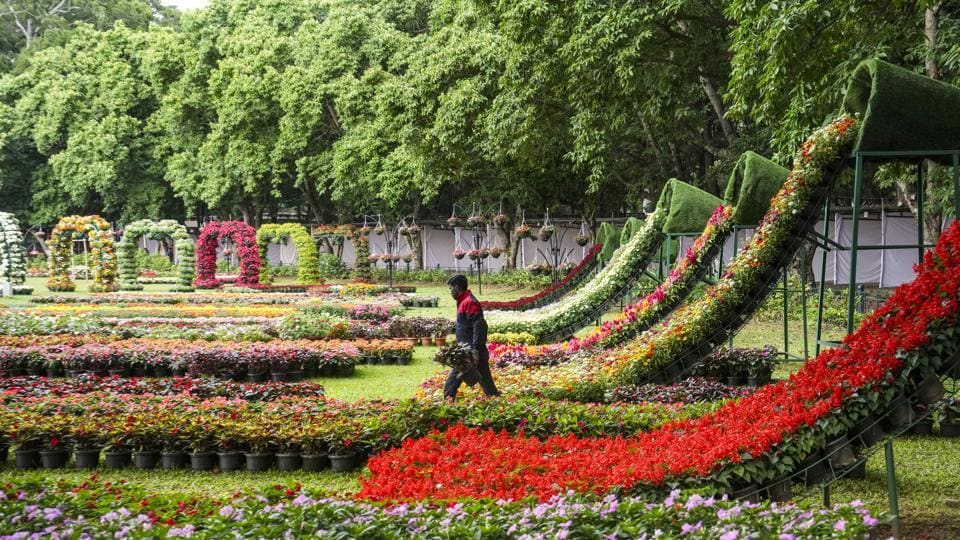
Bengaluru Lalbagh March Revives Push To Protect Green Spaces
A citizen-led march at Bengaluru’s Lalbagh Botanical Garden has brought renewed attention to the city’s shrinking and increasingly contested public green spaces. The gathering focused on protecting parks and open areas from infrastructure pressures, highlighting a wider urban question: how Bengaluru can accommodate growth without steadily reducing the natural spaces that support recreation, biodiversity and climate resilience.
The march brought together residents and civic groups at Lalbagh, with participants raising concerns over the long-term protection of Bengaluru’s parks. The mobilisation is significant because public green spaces are increasingly being viewed not simply as recreational assets, but as essential urban infrastructure. For a rapidly expanding city, this distinction matters. Trees and connected green areas can provide shade, support urban biodiversity and help reduce local heat. Vegetated land can also improve rainwater absorption, particularly during intense monsoon events, when paved surfaces can increase pressure on stormwater networks. Urban planners say the debate around park protection needs to move beyond individual projects and focus on the cumulative impact of development decisions. A small reduction in one open space may appear manageable, but repeated encroachment, construction or conversion of public land can gradually weaken the city’s overall ecological network. Lalbagh itself illustrates the importance of retaining large green areas within a dense urban environment.
Its location amid heavily built-up neighbourhoods gives residents access to a substantial landscape that performs environmental as well as recreational functions. Protecting such spaces therefore has implications beyond the boundaries of the park. The citizen mobilisation also points to a continuing gap between infrastructure expansion and public participation. Bengaluru requires transport, utilities and other essential infrastructure as its population and economy grow. However, decisions involving public land can have lasting consequences, making transparent planning and meaningful citizen consultation increasingly important. The issue is particularly relevant as climate pressures become more visible across Indian cities. Higher temperatures, irregular rainfall and intense short-duration storms are increasing the value of urban vegetation and permeable land. Maintaining parks, tree cover and interconnected ecological corridors can complement engineered infrastructure and reduce the burden on drainage and cooling systems. For residents, the march represents a renewed effort to keep public green spaces within the city’s development conversation. For planners and authorities, the larger challenge is to establish clear safeguards that balance necessary infrastructure with the ecological and social functions of open land.
Bengaluru’s future growth will inevitably require more construction, but the quality of that growth will also depend on what the city chooses to retain. Protecting accessible green spaces can help ensure that urban expansion does not come at the cost of a healthier and more climate-resilient public realm.