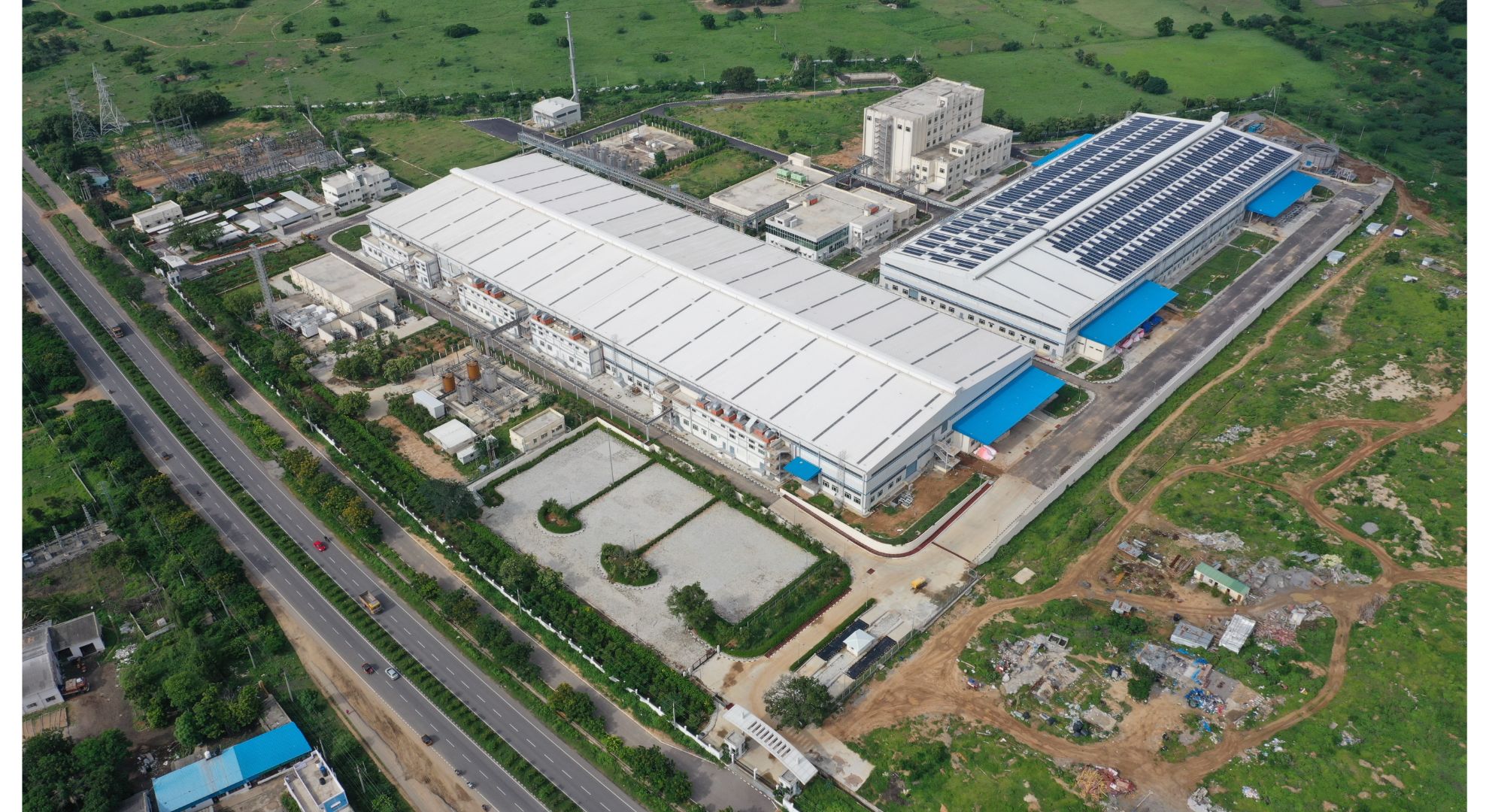
Bengaluru Gains New Manufacturing Capacity With Plant
Bengaluru has added another major manufacturing facility to its industrial base, with South Korean machine-tool maker DN Solutions commissioning its first India plant in the city with an investment of about ₹600 crore. The facility strengthens Bengaluru’s position as a hub for advanced engineering while adding manufacturing capacity closer to the country’s growing automotive, aerospace and electronics industries.
The new plant has been established at the Narasapura Industrial Area in Kolar district, on Bengaluru’s eastern industrial periphery. It is expected to manufacture computer numerical control (CNC) machine tools, which are automated systems used to produce precision components for industries ranging from automobiles and aerospace to electronics and general engineering. The Bengaluru manufacturing plant represents a broader shift in India’s industrial ecosystem towards domestic production of sophisticated capital equipment. Machine tools are an important part of the manufacturing chain because they are used to make components and products across numerous industrial sectors. Greater local capacity can reduce dependence on imported equipment and shorten supply chains for manufacturers. The investment also has a regional development dimension. Narasapura has emerged as an important industrial cluster, benefiting from its proximity to Bengaluru while offering large industrial sites outside the city’s most congested urban areas.
Continued manufacturing growth in such peripheral locations can create employment and support supplier networks if transport, housing and public services expand alongside industrial activity. The facility is planned to serve both domestic and export markets. This could give the Bengaluru region a larger role in global manufacturing supply chains, particularly as companies diversify production locations and seek suppliers closer to major Asian markets. However, industrial expansion also creates infrastructure requirements. Manufacturing facilities depend on reliable electricity, water, logistics connectivity and worker mobility. If industrial corridors grow faster than public transport and housing infrastructure, workers can face long commutes while freight movement adds pressure to already busy regional roads. The Bengaluru manufacturing plant therefore matters beyond the investment figure. Its success will depend partly on whether the surrounding industrial ecosystem can develop in a coordinated way, including skilled-worker training, supplier businesses and efficient freight and commuter connections.
For Bengaluru and its neighbouring industrial districts, the investment reinforces the value of combining advanced manufacturing with the city’s established engineering and technology talent. The longer-term opportunity is to ensure that this industrial growth creates durable local value while using land, water, energy and transport infrastructure efficiently.